Rudy Owens Photography

Oregon backroad in Wasco County


With stock images, one normally is supposed to provide some sort of cliché phrase about the road less travelled, the path to wisdom, finding one’s place involves windy roads, or a variation on this theme. For me, this was just a nice moment on a very seldom used highway (Oregon Hwy. 197), just south of The Dalles. It was early June, the crops were still growing, and the evening light was hitting the hills and casting shadows on the road. I pulled over and snapped this photo. I simply loved the scenery. This area is one of the premiere bicycle touring areas of the country. (Click on the photo to see a larger photograph on a separate picture page.)

Taking detours and discovering hidden treasures in Oregon


During a short road trip to central Oregon the first week of June, I accidentally discovered this amazing fishing area on the Deschutes River, north of Maupin. It is called Sherars Falls. I camped here, and I was in heaven. The fishing area is managed by the Warm Springs Indian Reservation, and I’m fairly certain Native fishermen have been visiting these falls for hundreds, if not thousands, of years. This shot was taken shortly before 6 a.m. as the morning crew arrived to cast lines for spring Chinook. The night before, the guys did not stop fishing until about 10 p.m. I love salmon fishing and passion it brings out in anglers. And this was one of the prettiest fishing locations I have ever seen. (For a larger photo, click on the picture to open a separate picture page.)

The glory of the Roman pecking order


Rome provides a fabulous example of hierarchy and status, of slave and master, citizens and non-citizens, not to mention privileged and non-privileged citizens. Does that sound familiar to anyone, like realities they are familiar with in the 21st century? (Click on the photo to see a larger picture on a separate picture page.)

Screw you microbrews, ’round here it’s Rainier Beer

I had a fun time yesterday taking a “summer holiday” trip in Seattle. It is possible to do that here, without even leaving the city. As the sun was going down, I stopped with a friend at Pono Ranch, yet another watering hole establishment that opened in Seattle’s Ballard neighborhood. The beer garden/restaurant is not quite like what one would find in Englischer Garten in Munich, Germany, but the owners have turned the industrial landscape into a fun place to enjoy a summer night and have fun connecting with friends.

I shot this picture with my Fujifilm X-Pro 1 camera, using a 24mm Leica Lens. A fairly diverse clientele seemed to favor this place. I liked the vibe, the metal fountains, and the metal scrap art. Apparently they serve organic fried chicken, if you’re into that kind of thing. Be prepared for a limited beer selection, though. (Click on the photo to see a larger picture on a separate picture page.)

Finally, my Leica M-series lenses find a home on my Fujifilm X-Pro 1 camera

Like many photographers, I am an ardent advocate for my Leica M6 rangefinder camera. In my book, it is simply one of the finest tools ever crafted for 35mm film photography. For years, however, I let my M6 and my 24mm and 50mm M-series Leica lenses gather dust because I did not want to spend more than $10,000 on Leica’s digital equivalent–the M9 currently on the market now. Luckily, Fujifilm released the X-Pro 1 to appeal to Leica enthusiasts who are on a slimmer budget. Back in the day, the early 2000s, I would convert my slides to scans and then arduously prepare them. The results were great, but the investment of time proved costly. (Some of my color shots, using Provia 100, are posted on my Vietnam picture page.) Only recently did I decide to make this transition, and I am glad I did.
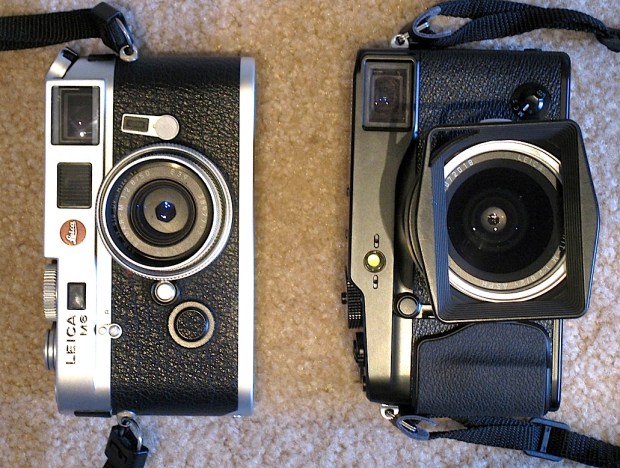
I have my 24mm Leica lens mounted on my X-Pro 1 using a Metabones adapter. I set this up and snapped a quick pic with my point and shoot.

I have my 24mm Leica lens mounted on my X-Pro 1 using a Metabones adapter.

The X-Pro 1 can allow many adapters for a range of lens, including Leica M-series lenses. Fujifilm’s adapter will set you back about $200; I spent about $90 with a Metabones adapter that works fine. Always busy Aussie photographer and entrepreneur Matt Granger provides a nice overview of how good this marriage of two classic product lines works. Many others have also provided mostly positive reviews of how well the X-Pro 1 functions and how its design features provide an experience that appeals to street photographers and those who relish those Leica M6 moments of transcendence. (My favorite photo storyteller, Sebastiao Salgado, took some of his best photos with Leicas.) This 2012 overview of the retro-looking X-Pro 1 is a must-read if you are now entering this market of wanting to recreate the joy of shooting with your M-series lenses again.

I have not purchased the grip, but most photographers who have tested the X-Pro and shot hundreds of images, like Granger, say this is essential. For now, I am still fine without it.

My experience with the X-Pro 1

My comments right now are limited, given some of the biggest problems that emerged in 2012 have been addressed.

Two years ago, a chorus of professional photographers noticed the poor quality of RAW file conversions from the Fujifilm X-Pro 1 RAF files using Adobe Lightroom. In 2014, Adobe’s version 4.4 of Lightroom addressed these bugs. Prior to that fix, there was a lot of debate whether or not imported RAF files from the X-Pro 1 should be convered to DNG format on Lightroom or whether to just shot in JPEG format with the X-Pro 1.

Like other X-Pro 1 users, I find that the location of the tripod and hotshot mount on the bottom of the camera prevents users from changing batteries and digital cards without unscrewing the mounts first. Some commentators noted that the camera’s battery system runs fast, meaning you should buy some spares. I found that to be the case too on my first outing. Users may wish to adjust the power settings on the menu choices.

Since I am not using the autofocus or continuous autofocus modes for now (S and C), and only using manual focus with my M-series lenses, I found that focus feature using the command dial feature (press in to focus) allowed for small errors. The shop where I purchased my X-Pro 1 (Glazer’s, in Seattle) noted I needed to upload a software patch, which now shows “focus peak highlighting.” Now when I press the command dial, I see glowing white edges on elements in focus. So that problem is resolved.

Here are a few samples showing skin tones from an African American subject and ISO settings from 3200 down to 400. I will provide an update later once I have time to do some more photos. Note, each photo is exported from Lightroom using minimal adjustments to the converted DNG files, at 300 PPI, 1,000 pixels wide.

Shot at 1/500th, F2.8, ISO 200, cloudy conditions.

Shot at 1/500th, F 2.8, ISO 200, cloudy conditions.
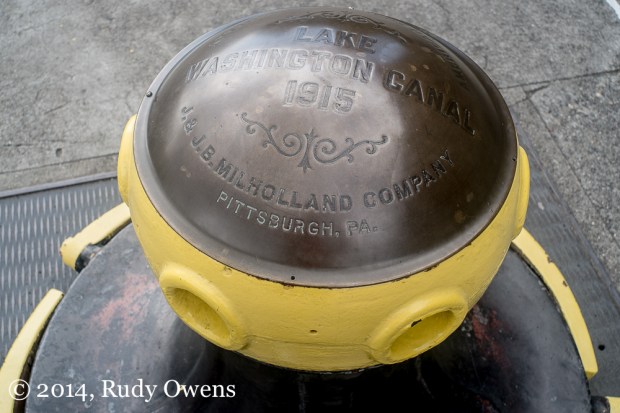
I shot this at 1/125th, F4, ISO 200.

I shot this at 1/125th, F4, ISO 200.


ISO 3200, shot at F4, 1/1,000th.

ISO 3200, shot at F4, 1/1,000th.


ISO 1600, shot at F4, 1/500th.

ISO 1600, shot at F4, 1/500th.


ISO 800, shot at F4, 1/250th.

ISO 800, shot at F4, 1/250th.


ISO 400, shot at F4, 1/125th.

ISO 400, shot at F4, 1/125th.

In celebration of running: something that totally changed my life

Today I read a story about someone I once knew who met a tragic fate. It was a piercing experience, as a whirlwind of memories came back to a time in my life when I made some absolutely critical life decisions how I wanted to pursue my precious time on this planet, how I wanted to be as a person, and what I wanted to achieve. Nothing turned my life around in the right direction more positively and more purposefully than running. Everything seemed to change after I picked up this activity that I continue to this day, despite gaggles of injuries over the years (who cares). It is wonderful to look back at critical moments and realize, excellent choice. Well done.

My smart choice was getting my first pair of terrible running shoes and hitting the pavement (I ran on pavement for years) when I was 15 years old, a sophomore in high school. All of this led to so many positive things, including being able to run across the Grand Canyon in September 2005 with an old UNC-CH grad school roommate, Jeff. Jeff did a rim-to-rim-to-rim (R2R2R) dash, south to north to south. I met him on the north rim and did an R2R. We lucked out and got a cabin just days before we were scheduled to run. We had perfect weather. Jeff and his family were gracious hosts to me in Flagstaff. And so funny to think, this kind of transformative event, with a phenomenal colleague, was the result of me deciding to do some smart things at the right time. Here’s to wisdom and rewards it may bring. Thank yourself for being smart. You may be smarter than you think.

Camera note: all of these are simple point and shoot photos taken with my consumer grade Canon digital. I punched up the contrast, a look I like. This post is more about the experience and emotions and less about the pixels and striving for art. (Click on each photo to see larger pictures in separate picture pages.)

Tok, gateway to the ‘Great Land’

By far, my favorite sign in the world, I think, is this one that greets visitors as the drive in on the Al-Can Highway from the Yukon and arrive in the first junction and town in Alaska, called Tok. Go straight, you arrive at Fairbanks. Head left, you come to Glenallen, and then on to Valdez or Anchorage. Do not be fooled. Tok is also a graveyard of dreams, where many who dreamed of a better life, or escaping their problems or the law, or perhaps a Permanent Fund Dividend check without working for it, busted. Alaska is filled with dreamers and also broken dreams. It is what makes it Alaska, and I still love it so. (Click on each photo to see a larger picture on a separate picture page.)

The best neighbor one could ask for, seen through my new camera and old lens

Today I gave my new Fujifilm X-Pro 1 camera a workout. More later on the results. I bought this camera to be able to utilize my Leica M-series lenses that have gone into hibernation since I mostly stopped using my beloved Leica M-6. I’m not convinced yet how the two compare. Still need to examine the results. Here’s a test shot of my best bud, my neighbor, and my occasional confidante, Balloo. He’s the best golden I know. (Click on the photo to see a larger picture on a separate picture page.)

Seattle at twilight, still nice after so many years


I cannot count how many nights I have watched a lovely evening in Seattle. It has grown up considerably since I first moved here in the late 1980s (and left several times), but that is a story for another time. Enjoy (shot in 2012). (Click on the photo to see a larger picture on a separate picture page.)

Piskefløde med jordbær (strawberries and cream to us non-Danish)

There is nothing more Danish than strawberries and cream in late May. Ah the wonderful memories of my too short of a stay in Denmark in the spring and summer of 2000. (Click on the photo to see a larger picture on a separate picture page.)