Finland

North Country travels, June 2026

(Click on each photo to see a larger image in a separate picture page.)

I recently completed a long overdue trip to the North Country, driving by car from the Twin Cities in Minnesota, to another pair of twin cities, in Michigan’s Upper Peninsula: Houghton and Hancock. I racked up 800 miles in three days and was able to get a glimpse into another place in time, when the region of northern Minnesota, Wisconsin, and Michigan were centers for mining and resource extraction that helped to fuel the industrial revolution in the late 19th and early 20th centuries.

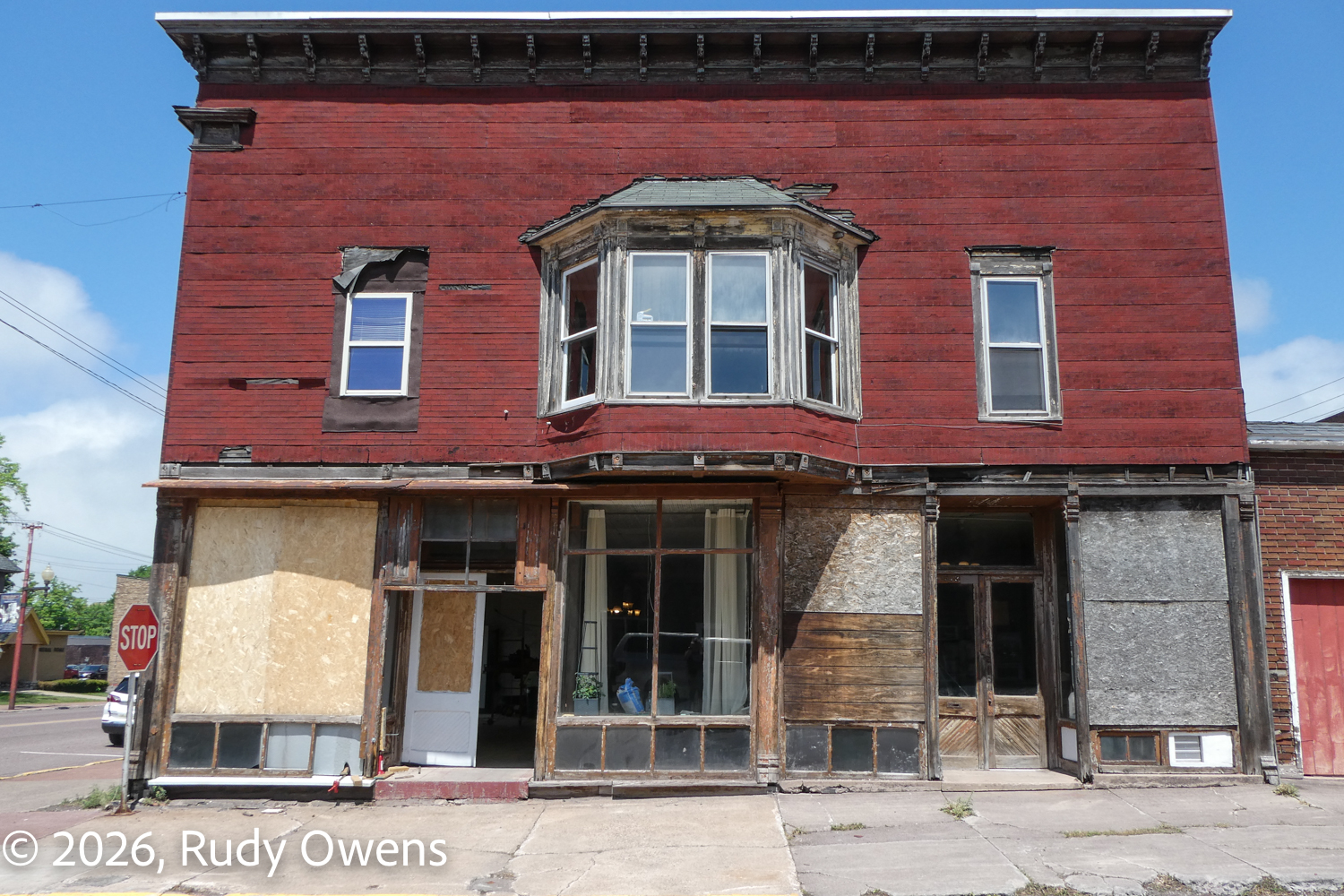
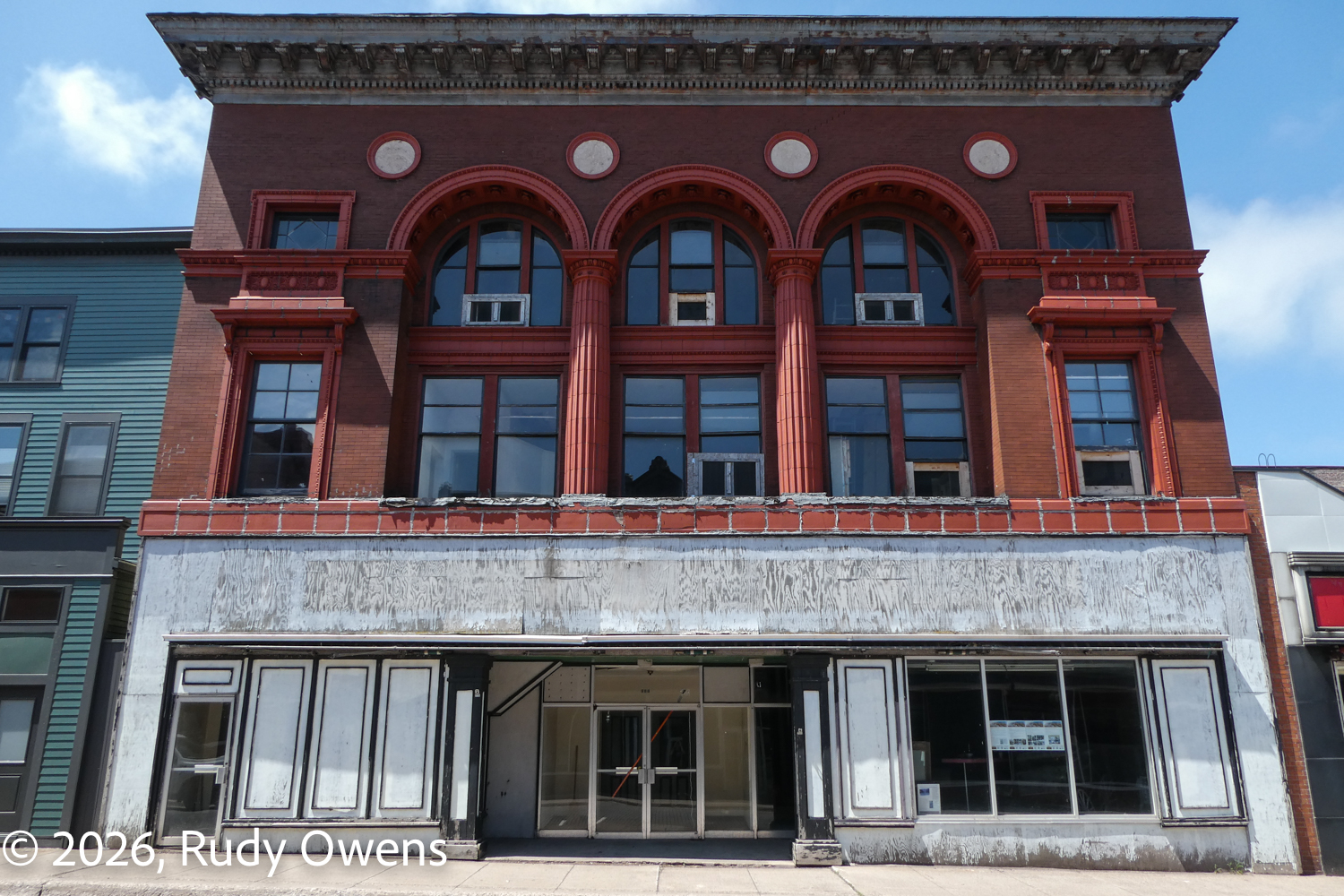
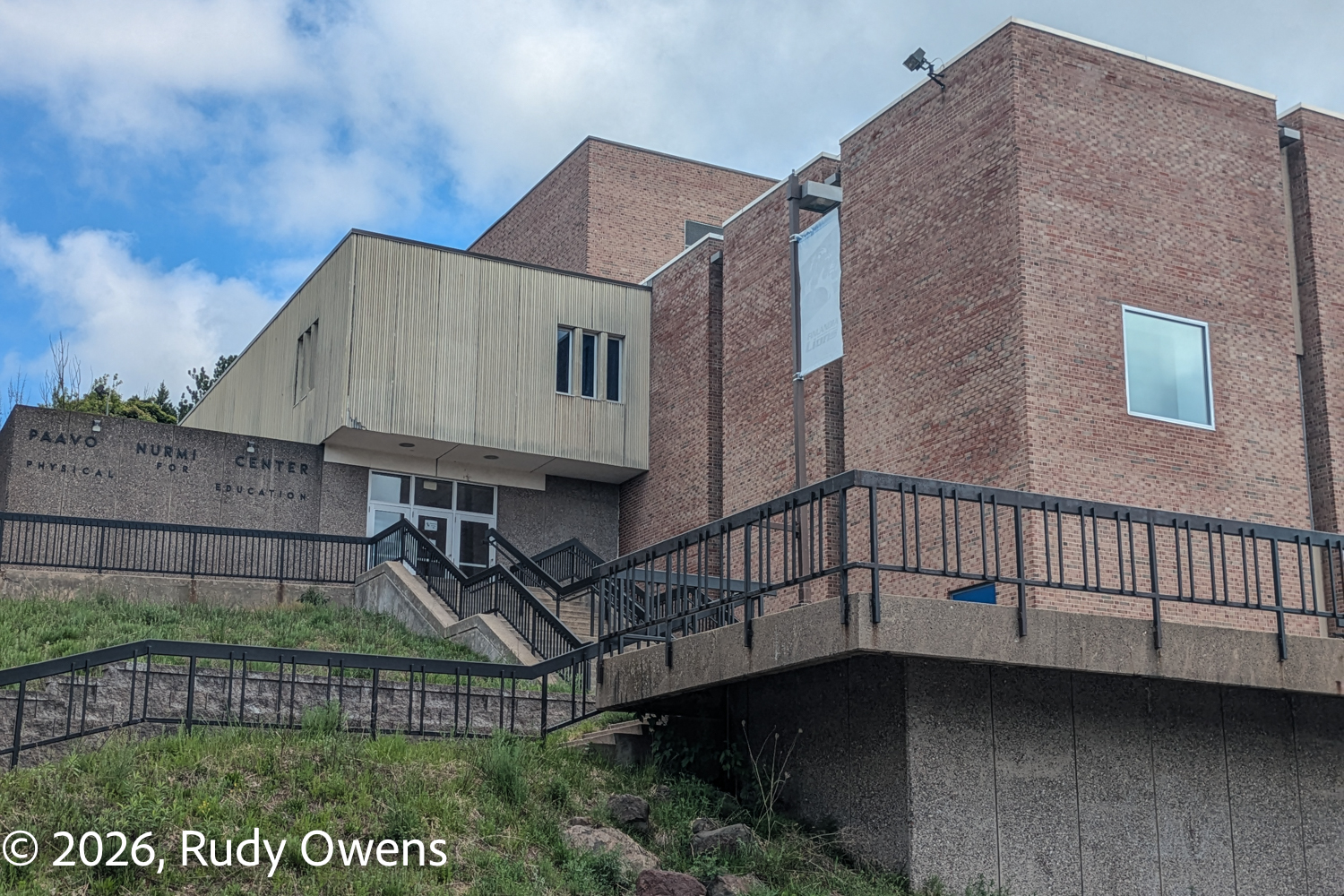
Houghton and Hancock were once hubs of mining-related commerce and waves of immigration from Europe that attracted many immigrant laborers, including my Finnish great grandparents. Today the area feels like a shell of its former boom days at the early part of the 20th century. The old Suomi College (renamed Finlandia University), founded by Finnish immigrants in Hancock, folded in 2023, leaving the former university empty after a century of education and learning. Michigan Tech University still thrives in Houghton.

My great grandparents, who mostly spoke Finnish for decades, raised their five kids in Hancock, and lived there until their respective deaths in the mid-1930s and late 1960s. I had long known that my great grandparents, on my birth mother’s maternal side, had emigrated to Hancock in the early 1900s, like thousands of other Finnish immigrants, who came to work the dozens of copper mines that are found in the Keweenaw Peninsula on Michigan’s Upper Peninsula. My great grandfather, who died before he turned 58, labored in a coal dock, likely creating lasting health issues that led to an early death.
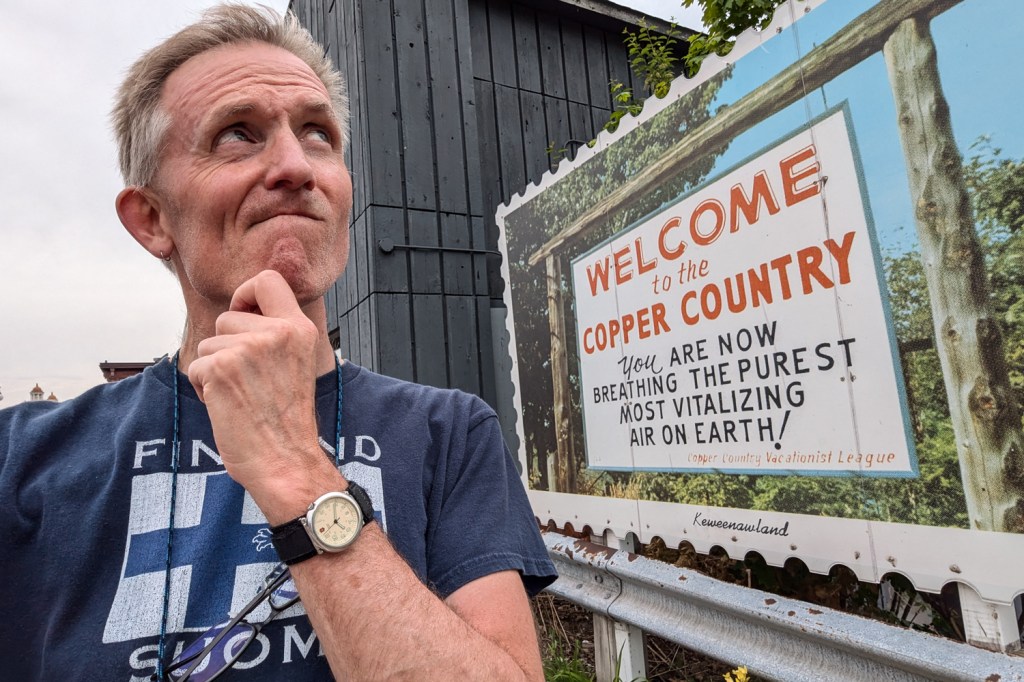
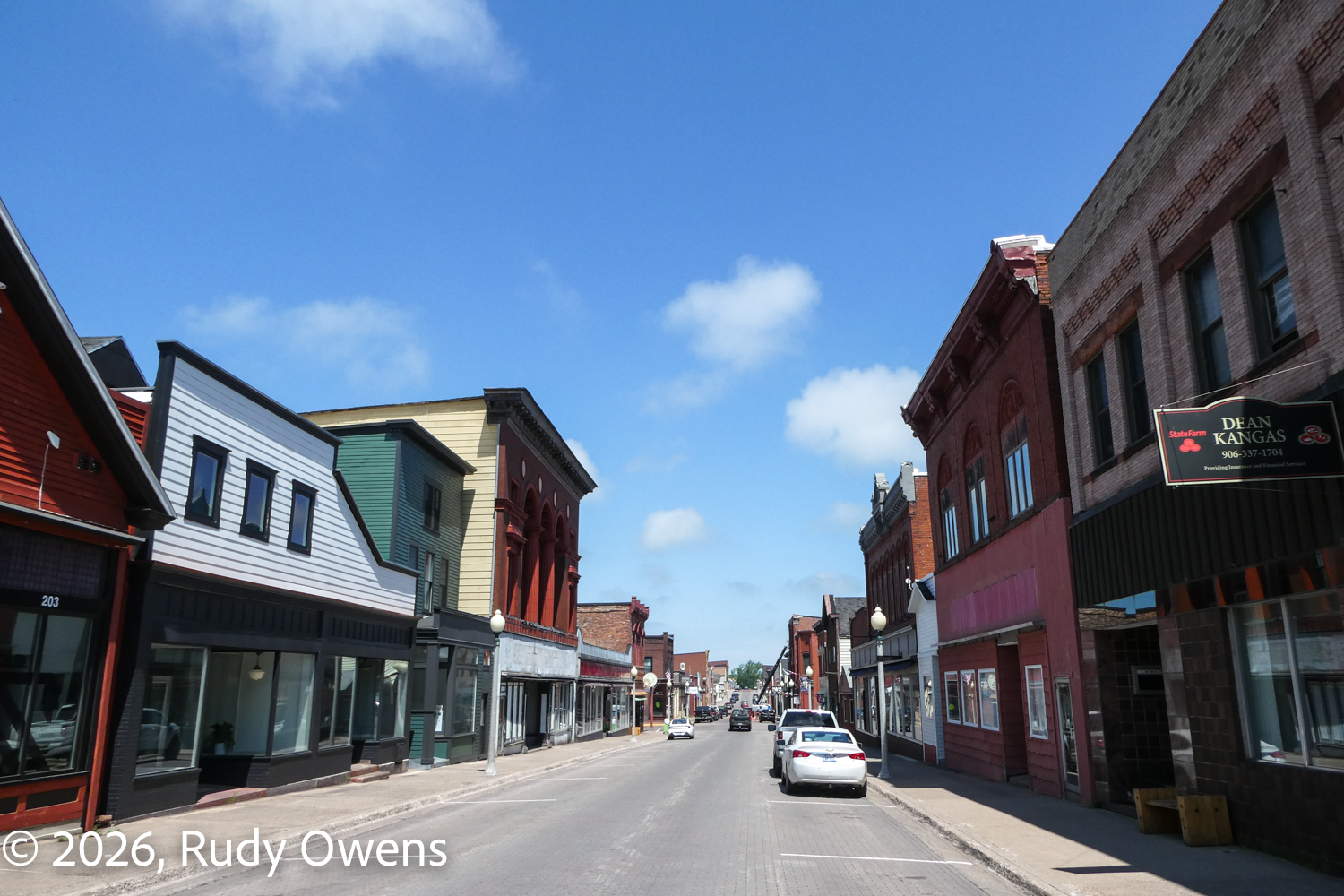
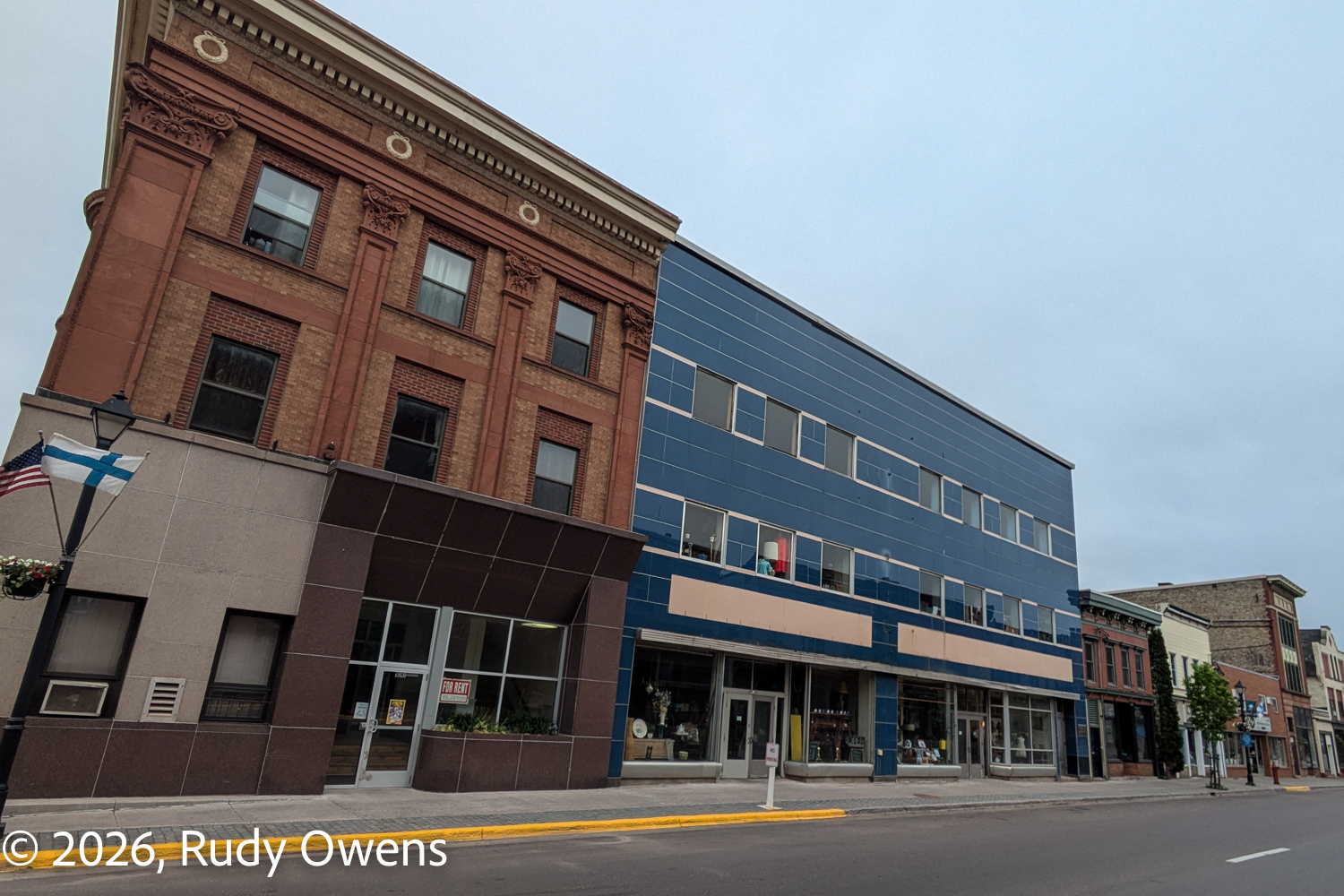
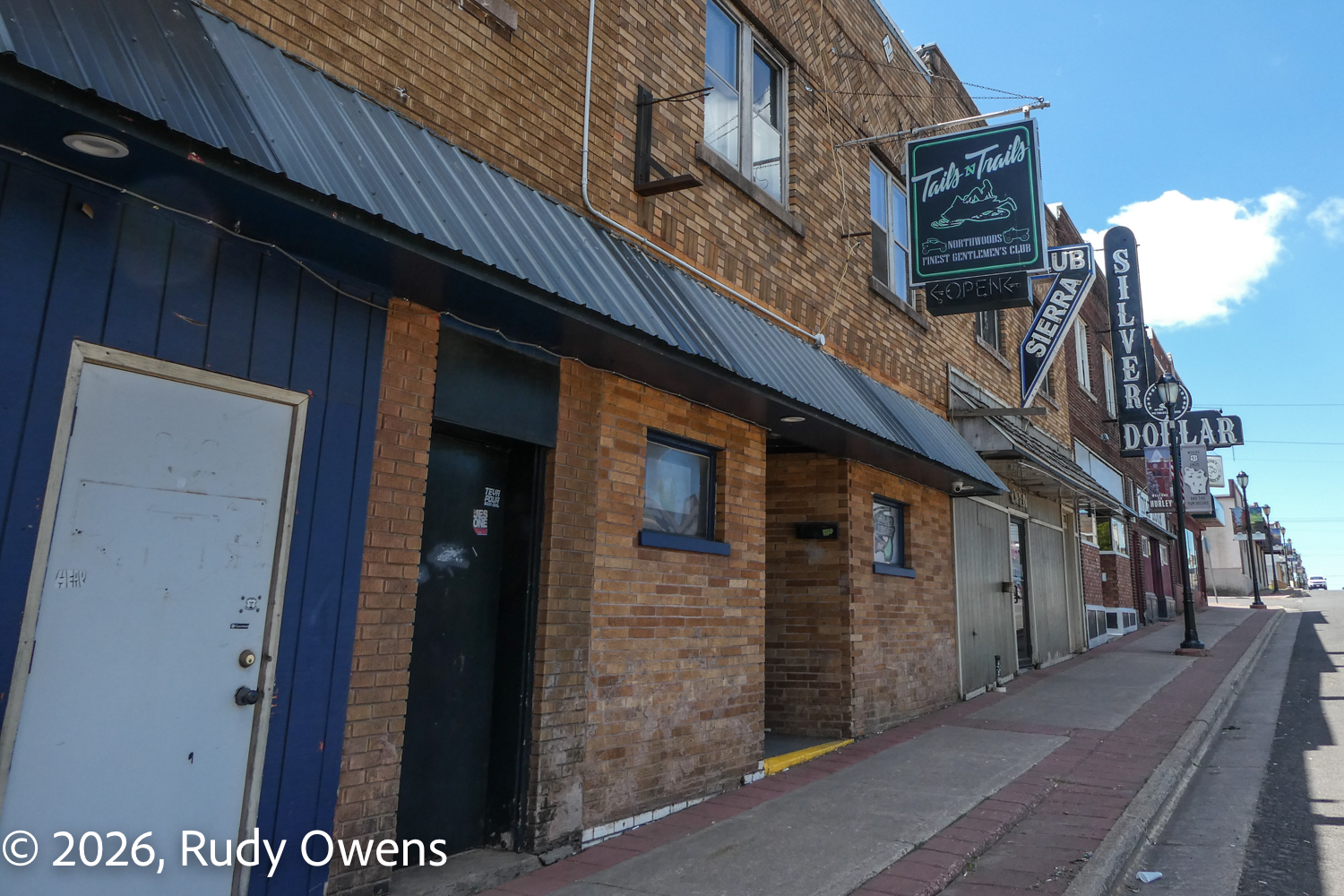
The author, Rudy Owens, explores downtown Houghton during his short visit to the communities where his Finnish relatives lived for decades.

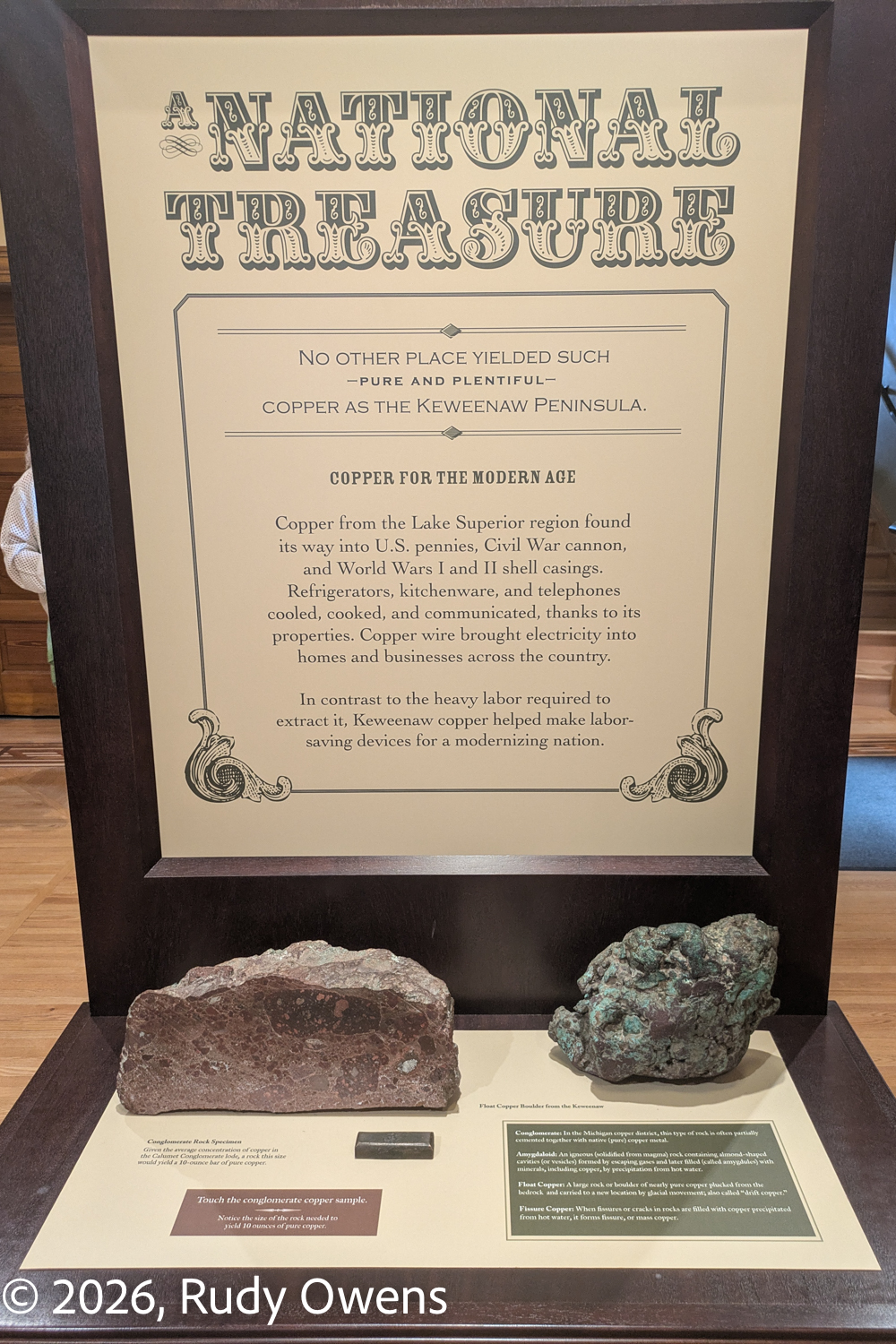
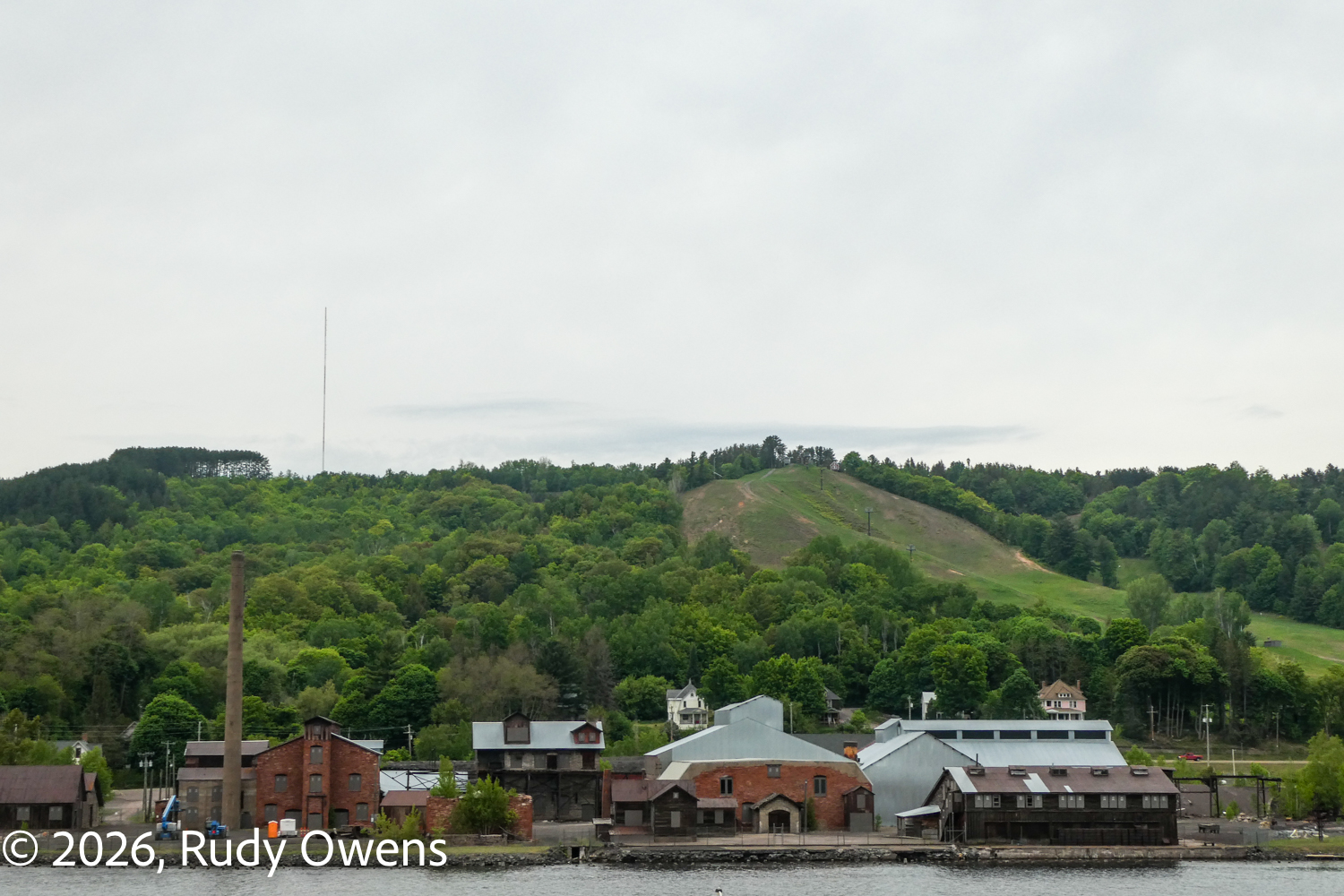
The Keweenaw Peninsula is considered to have one of the richest copper reserves ever dug from North America, and those reserves and the decades of mining in the 19th and 20th centuries are what pulled in immigrants from all over Europe, including from then-Russian controlled Finland. My kin from Finland were among thousands who made that journey to start a hard, new life. Dozens of copper mines thrived, and then once the reserves were extracted, began to shut down by the start of World War II, including the historic Quincy Mine, that stands like a dark tower of Mordor above the struggling city of Hancock, in the valley below the hills.

The Upper Peninsula is completely off any travel path. It remains remote today. The remoteness of the area, and its distance the Pacific Northwest, where I have lived most of my adult life, meant I kept putting off a trip for decades. But, having connected with my Finnish kin in Finland in 2023, it felt like the right time to see the land the Finnish immigrants including my own family settled in the United States.

Finally I found a nice window and booked a four-day, three-night trip in early June 2026.

My journey began with a flight from Portland to Minneapolis. From there, I drove mostly state highways in Minnesota, Wisconsin. The trip took me through the northern small cities and communities of northern Wisconsin and the now visibly right-leaning communities one passes along the way in Wisconsin and Michigan: Mellen, Montreal, Hurley, Ironwood, Wakefield, Bergland, Mass City—before you arrive in Houghton and Hancock. I did as much as I could into a day and a half in the cities of my distant relatives in Michigan.

I felt very comfortable and connected here as a native Michigander, who was born of a half-Finnish-American mother who, with her parents, spent a lot of her life in Detroit. I have always considered myself both a native of Michigan and Detroit—in my DNA. I am a native son.

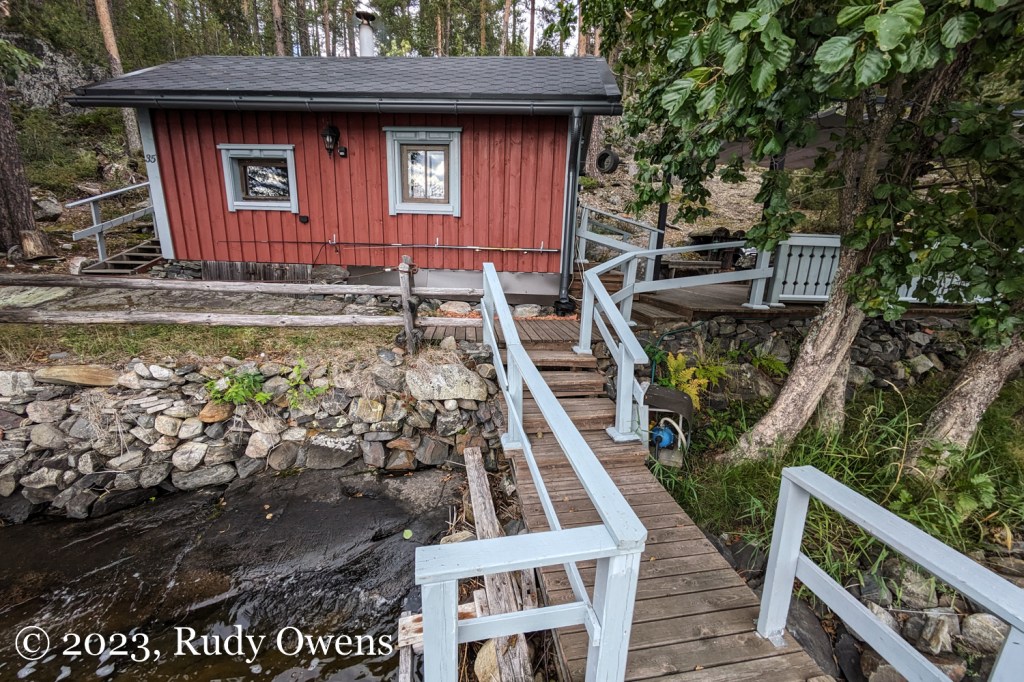
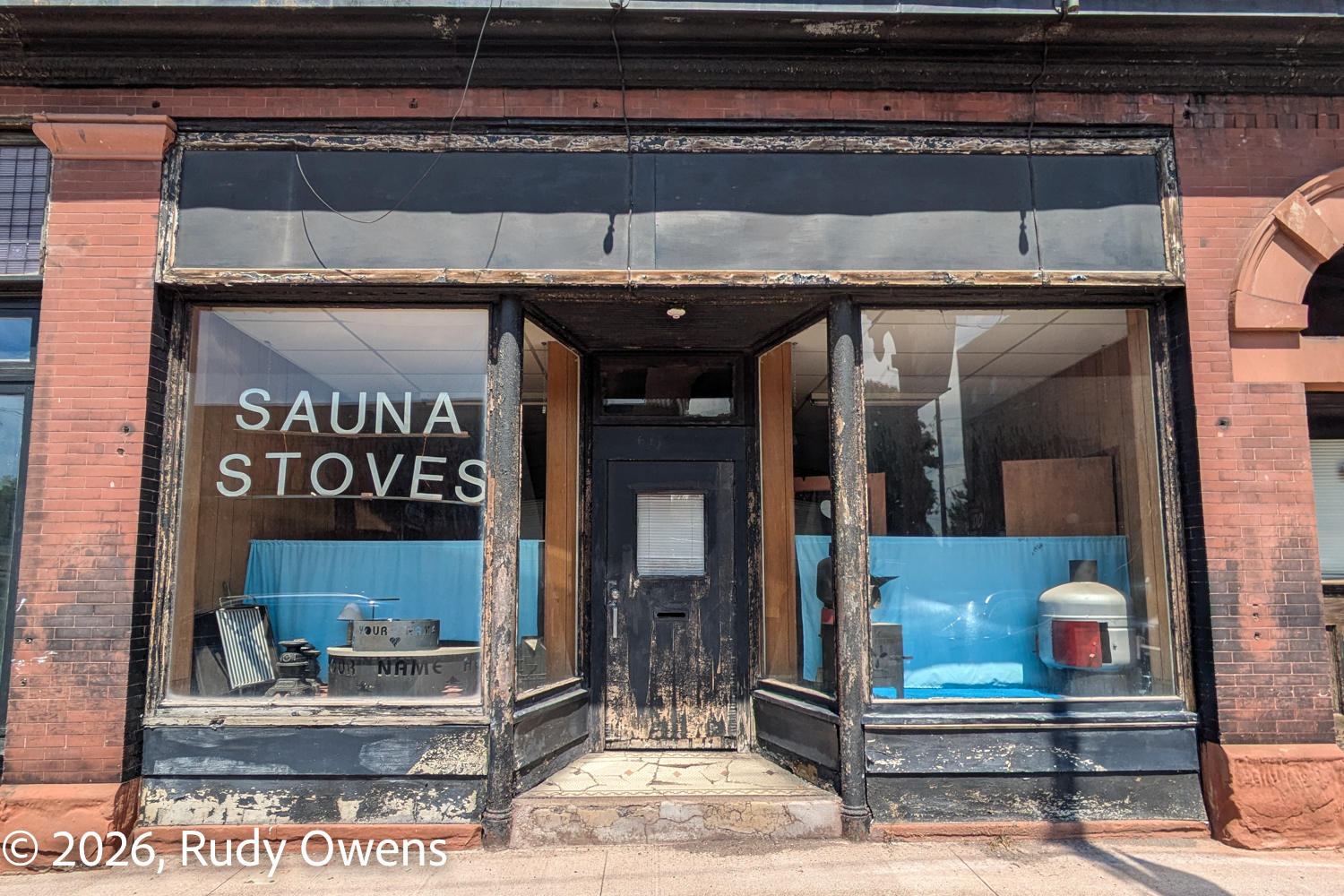
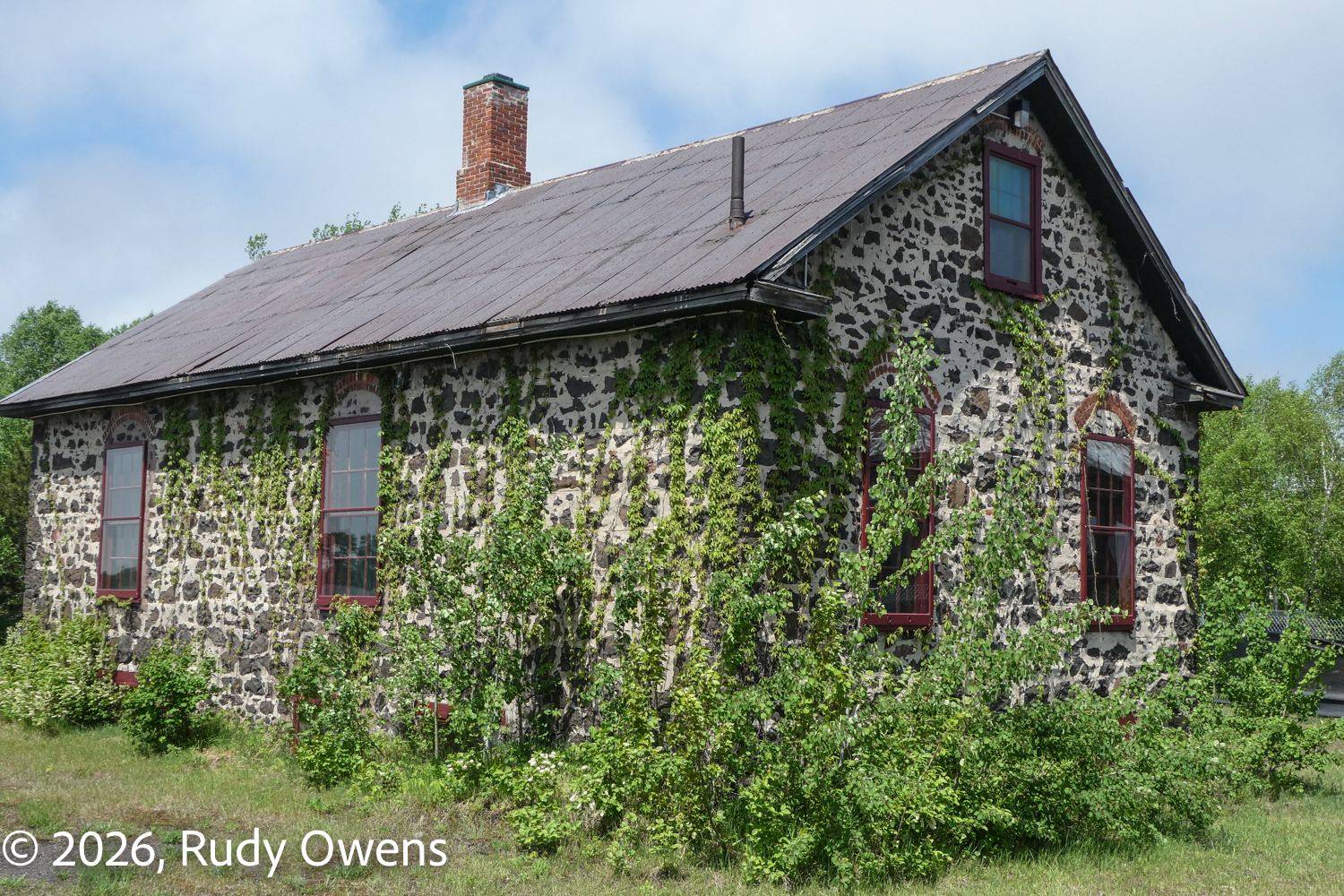
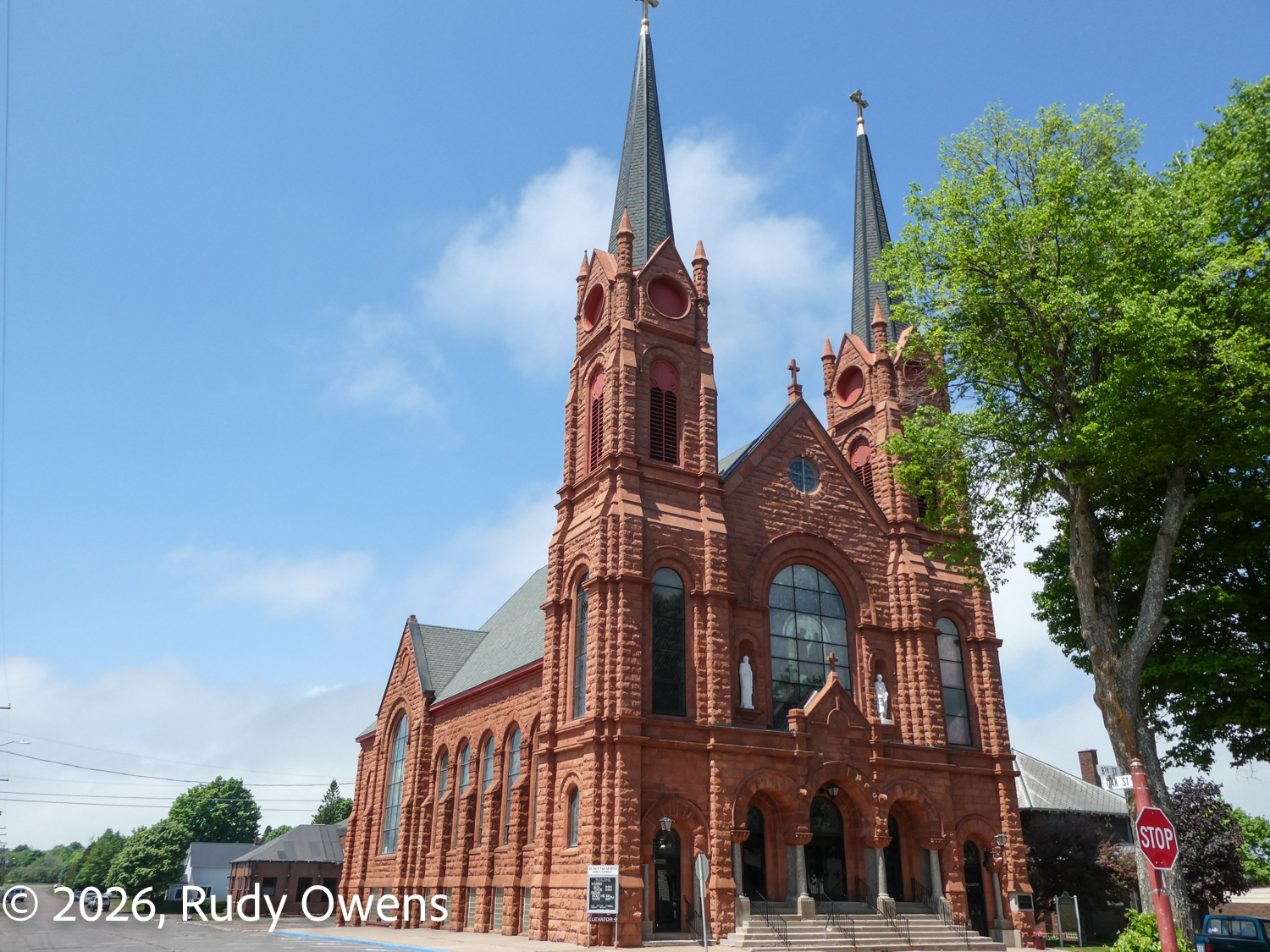
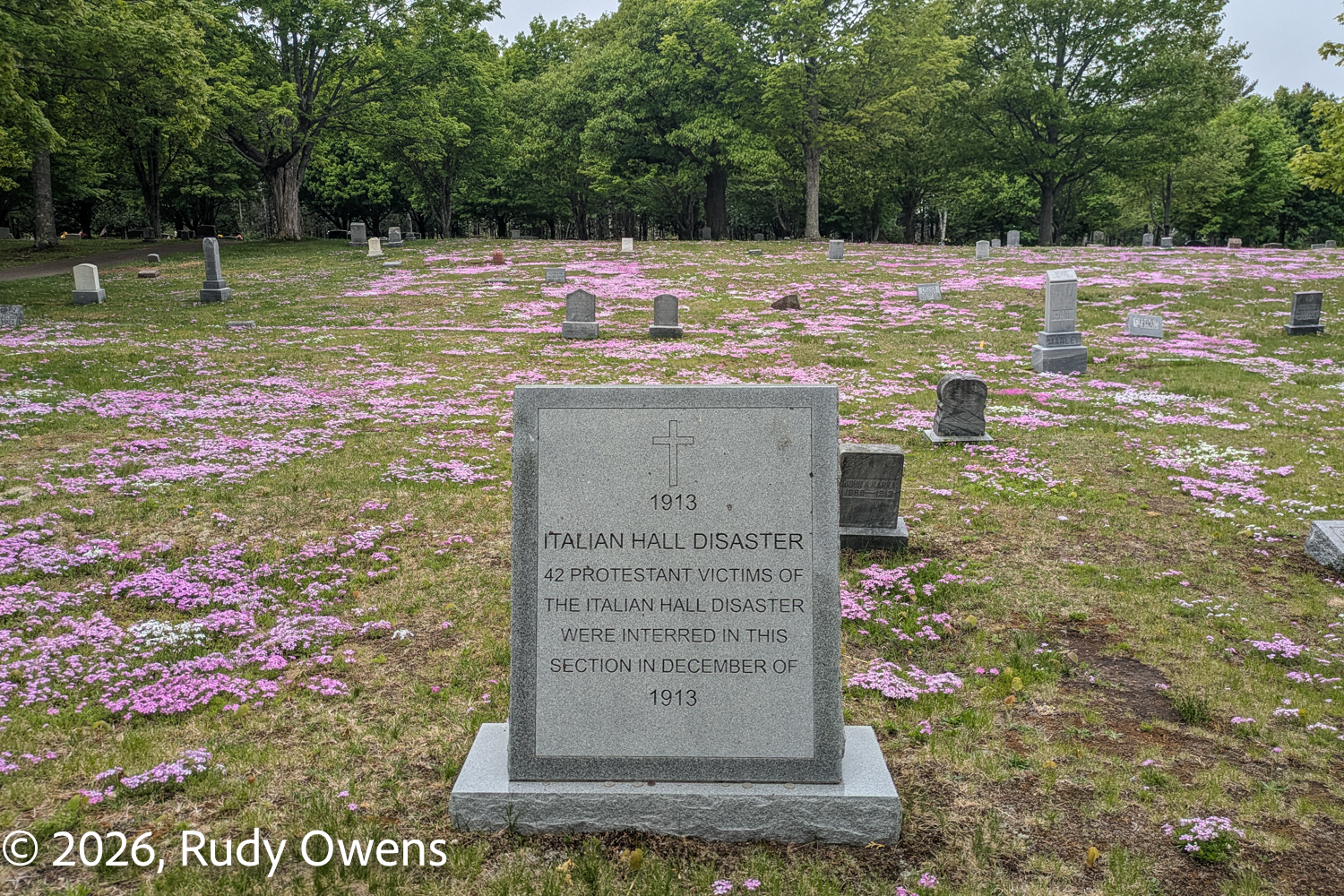
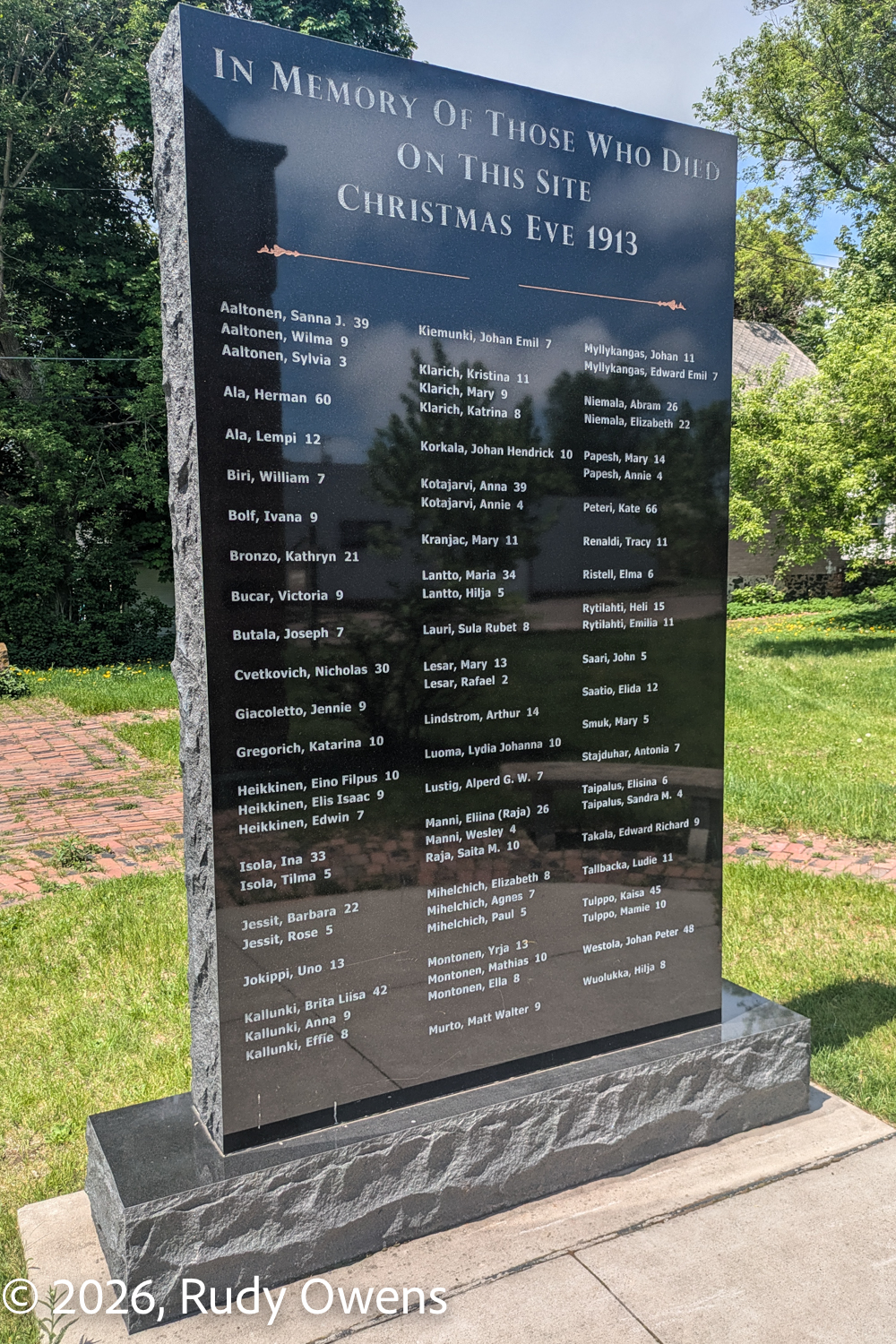
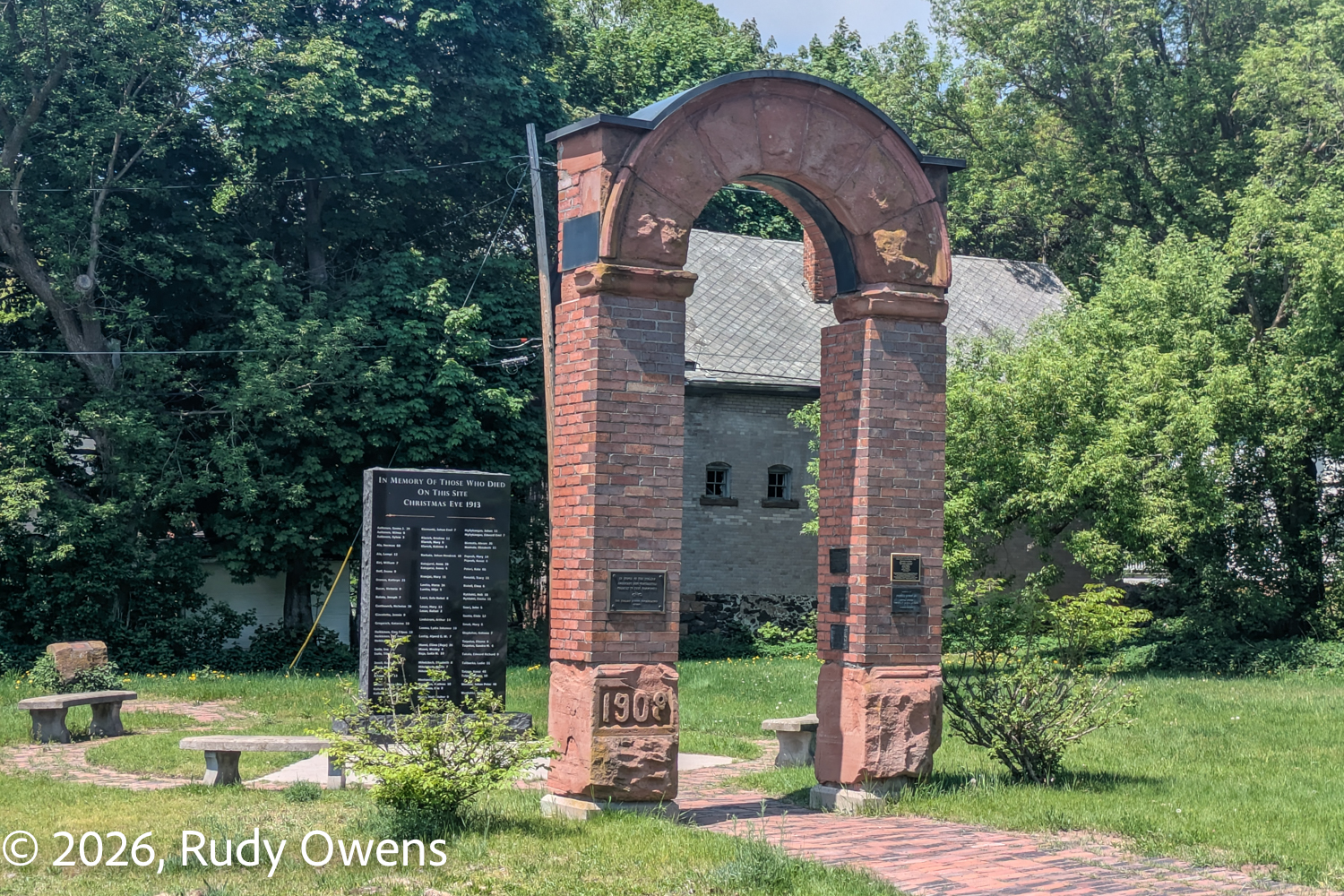
Once I arrived in my destination, in Hancock, I visited the once bustling mining city of Calumet, located about 10 minutes north of Hancock. It once had nearly 30,000 people and immigrants from all over Europe working in the copper mines at the turn of the 1900s, including at the large Calumet & Hecla Mine. I visited the famous memorial to the 74 victims of the terrible tragedy on Christmas Eve 1913 at Calumet’s Italian Hall, amid a violent and long copper miners strike that rocked the region and captivated the nation. I visited a family sauna on a family farm owned by a relative I met for the first time outside of Houghton. I visited the house where my great grandparents lived for decades, and was invited in by the owner. And I visited the graves of my great grandparents. I also walked the two cities and in nearby nature trails, soaking up the beauty and history.

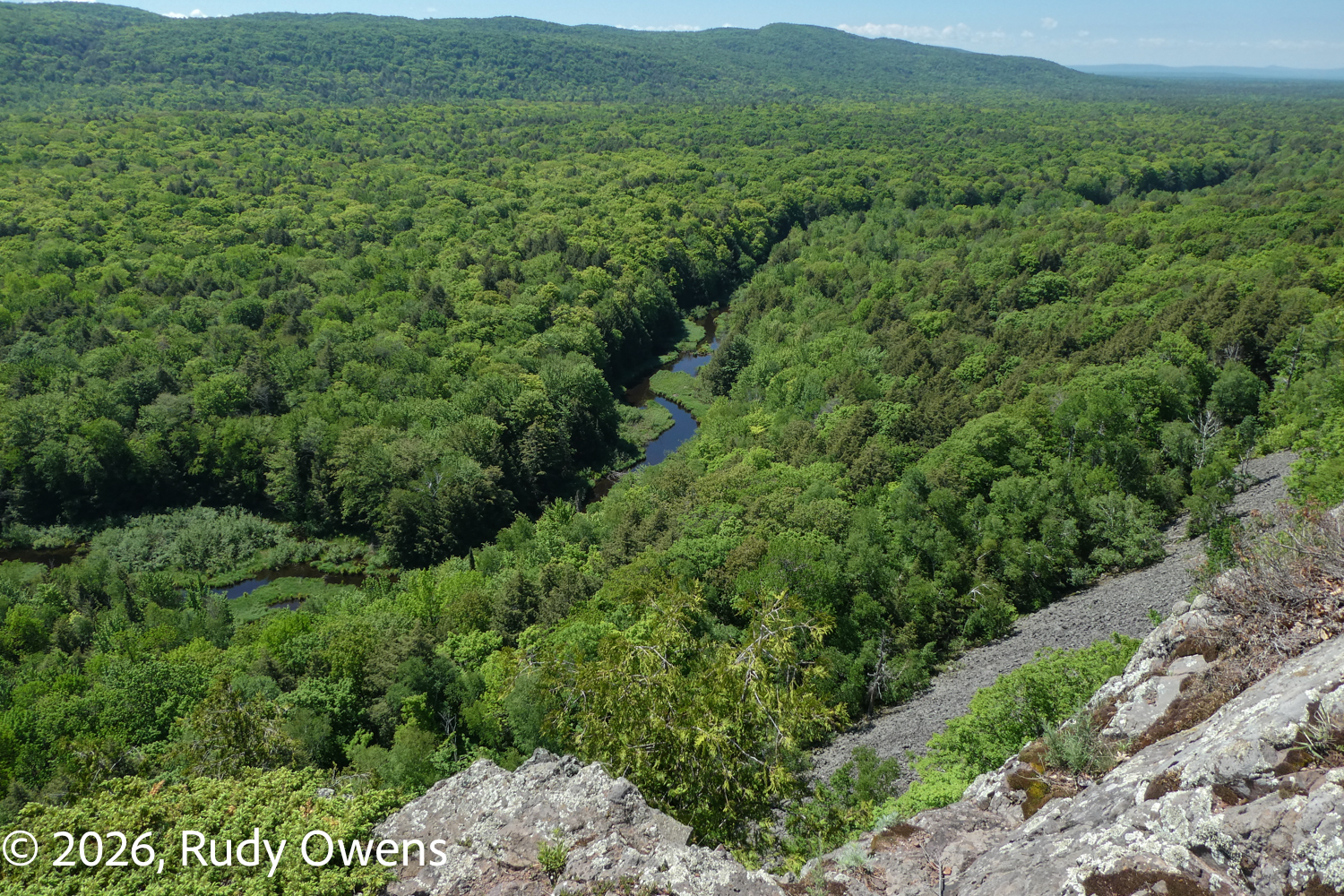
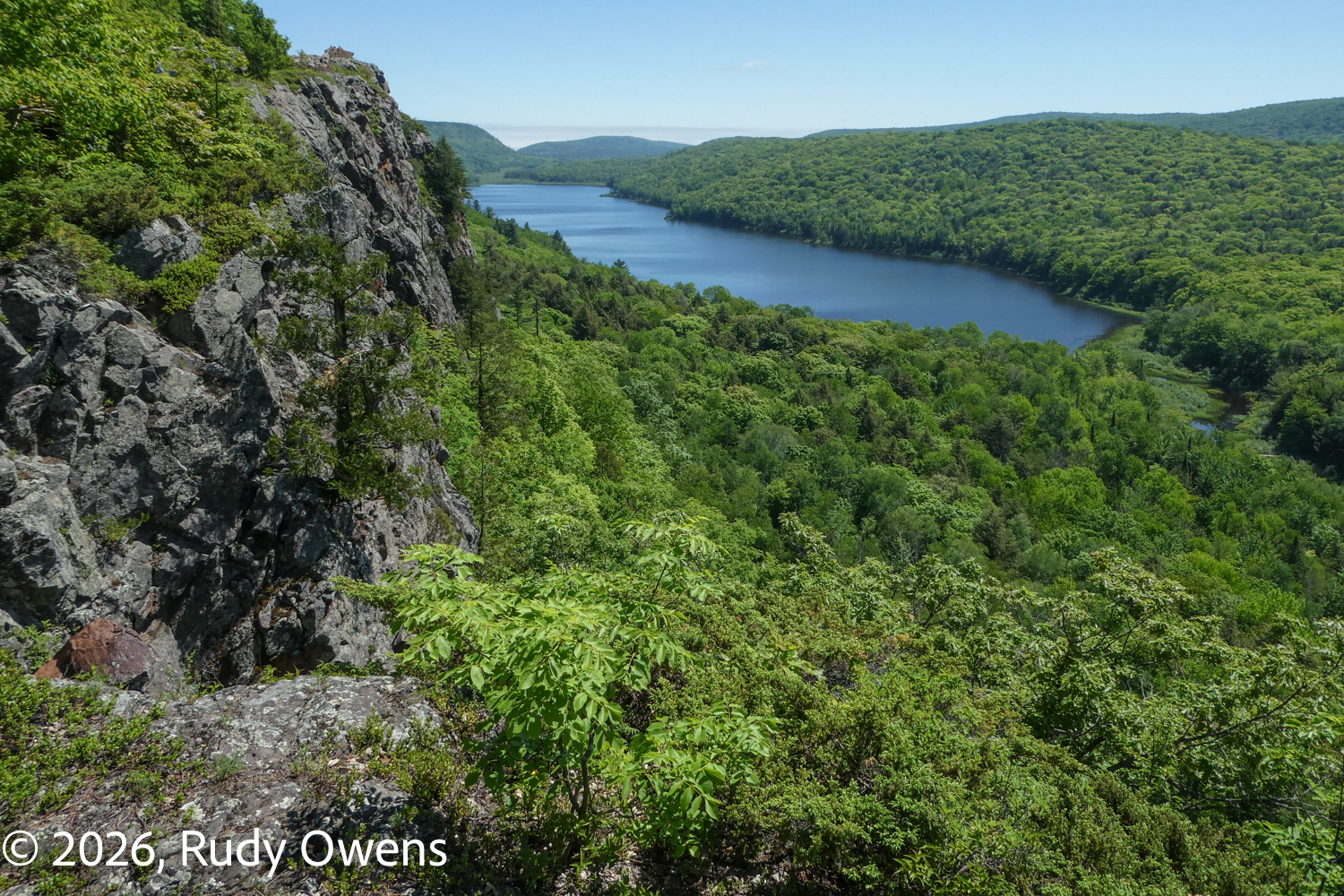
On my drive back to the Twin Cities, I took a spectacular detour to the shores of Lake Superior. The water was clear and surprising warm. The temperature was in the mid-60s F. I was at peace. I drive up to the popular Lake of the Clouds Overlook in the lush, Scenic Porcupine Wilderness Mountains State Park and allowed the amazing landscape to cast its spell. By 6 p.m. on my last day, I was back in Minneapolis feeling alive and renewed. What  a trip indeed!

A taste of the southwest coast of Finland

I spent two days on the southwest coast of Finland in late August 2025. My trip took me to Kimitoon, technically an island, in the region called Varsinais-Suomi, whose biggest city is the historic former capital Turku. It’s mostly rural with lots cottages and farms on the island. I then crossed over to the region Uusimaa, which includes the coastal cities of Tammisaari (also a “cottage hub” area) and Hanko. I visited both of those cities, and ended the day spending a lovely evening in Tammisaari. On my route, I stopped by the bridge connecting Kimitoon to the “mainland” by the small community of Strömma. It was raining. The fishermen were out. It was lovely.

In praise of Finnish clouds

Even shopping malls look mighty under clouds that hang over South Ostrobothnia, Finland. (Shot taken in Seinäjoki, Finland, August 2025)

I will be posting a large update later to my Finnish photo gallery on Flickr and some batches here. It’s been a very busy time with historic events unfold in the United States that are having me prioritize issues relating the safeguarding of U.S. democracy, in its now battered form, and the U.S. Constitution.

I also maintain a larger collections of stories, videos, podcasts, and photos on my website section dedicated to my connection to this great country, a land of some of my biological ancestors.

In a sauna you won’t find a super model, but you will see a lot of sweaty flesh

(Click on each photograph to see a larger picture on a separate gallery picture page)

Freshly back from my glorious 11-day trip in Finland in September 2023, I have begun seeing a surprising number of articles on Finnish saunas.

On November 24, 2023, the BBC ran a multimedia spread under the banner “Saunas: The essence of Finland’s heartbeat,” featuring a refreshingly accurate video by Maria Teresa Alvarado, aided by producer by Natalia Guerrero. The video began showing a scene of a typical Finnish sauna, with a Finnish voice saying, “A Finn without a sauna is like a polar bear without ice and snow.”

A month earlier, on October 24, 2023, the famed British news service ran another glowing piece called “The 10,000-year-old origins of the sauna – and why it’s still going strong,” on this ancient Finnish tradition of taking hot air baths in wooden sheds that stimulate excessive sweating, often followed by immersion in cold water, snow, or cold weather.

Finland’s Baltic neighbor Estonia shares an equally old sauna tradition, and its sauna traditions this year are getting buzz thanks to the film “Smoked Sauna Sisterhood” (“Savusanna Sõsarad” in Estonian), a 2023 documentary on that country’s ancient sauna tradition and the women who partake in it. It just won the best documentary film award on December 9, 2023 at the European Film Awards.

Saunas: hot, hot, hot everywhere!

Yes, saunas are clearly the sweaty, hot ticket in many spaces.

Even in the U.S. medical establishment, which has never embraced practices that can’t be tied to for-profit enterprises that prioritize profit over health, some medical researchers are suddenly acknowledging the extensive and documented health benefits of saunas.

The modern Finnish sauna is but one of many “sweat lodges” and saunas that emerged globally, but none more famously than the Finnish sauna.

The BBC’s October 24, 2023 story by Clare Dowdy explored the history of the sauna in Finland and the Baltic region and its cultural significance to Finland, from the past to present: “In Finland, the sauna is ‘one of the key national symbols’, says [Dalva] Lamminmäki, precisely because it’s very much an everyday ritual for Finns, with 3.3 million saunas in a country of 5.5 million inhabitants. ‘Everyday practices are relevant to national identity also because over time they form a widely shared understanding of the culture and what it is like to be a citizen of a country,’ she adds, ‘It’s said that sauna creates a basis for understanding what Finnishness is.’”

This week, I stumbled on still another glowing article, published in The Guardian on December 6, 2023 , on the foundational importance of sauna’s to Finland’s enviable status as the “happiest country in the world” six years in a row.

Writer Miranda Bryant visited Tampere, “sauna capital of Finland,” and explored its well-known public saunas—the city boast almost five dozen of them. Bryant praised the tradition and suggested they are a foundation to Finland’s success creating national wellbeing.

“Unlike in other countries, where saunas are usually marketed as an expensive activity for the few, in Finland they have a far more everyday role,” writes Bryant. “Many people have saunas in their homes; lots of older Finnish people were even born in saunas. But they are also considered a sacred space and a place to find community as well as peace.”

The difference between real and fake sauna experiences

It could be that I’m more aware of saunas because I used them and sought out traditional and public sauna experiences during my trip in Finland.

I also think saunas are now trending as the latest “it” thing in wellness or boutique healthcare that really is a mask for old-fashioned narcissism.

This week, I saw a mobile sauna being advertised for a price of $45 for an hour at a Portland event. The branding of this new fad in “Instagram poseur” imagery typically leans heavily into maximum cleavage and/or a hot yoga bod, with the sumptuous sauna user looking sumptuously fulfilled.

From what I can tell, that is how many sauna services and products are marketed to U.S. consumers—something for “special” people, meaning those who are sexier, more charismatic, and definitely healthier than you. They definitely have a hotter bod than you too!

Public sauna, Helsinki, and not a hot body in sight

I eventually hit a breaking point on the corruption and meaning of saunas, to human health and to their egalitarian and cultural roots in Finland, but also Estonia, other Baltic countries, and also Russia through hot baths called banya.

I especially appreciated the photos of saunas that Bryant profiled in her Guardian feature story, and also on the City of Tampere’s tourism website promoting the city’s many facilities. That webpage, showing people of all different body types—not one a smoking beauty—notes: “Did you know there are over 55 public saunas in Tampere region for anyone to relax in, throughout the year? Finnish sauna culture is also a part of the UNESCO Intangible Cultural Heritage list.”

These honest pictures matter, because they show a sauna is not the domain of Instagram narcissists. They show guys half naked drinking beer outside or people of all body types wandering outdoors in the cold after plunging into a frozen lake. That’s how they do it. And they are really wonderful.

After hitting my sauna boiling point, practically steaming, I kvetched to some of my Finnish relatives who live in Tampere (I know, isn’t that a cool coincidence!) on how American “entrepreneurs” are trying to turn saunas into snobby, high-end, upper middle-class, white, health salvation spas for the “right kind of people,” promoted by scantily clad sexpots showing beaucoup de cleavage and draped in towels. I shared it was driving me nuts. They all responded with funny emojis, and one of them suggested I needed to join them at Tampere’s Rauhaniemi folk spa, which has a nice, icy-lake, winter swimming option.

I’m glad we are seeing the far more realistic image of what saunas are like.

They are very democratic and plebeian, especially in countries like Estonia and Finland. Naked typical bodies are not oozing with steam like yoga skankiness. There, the sweaty bodies are rather normal looking. And in a sauna, you show the flesh in all its perfectly imperfect glory.