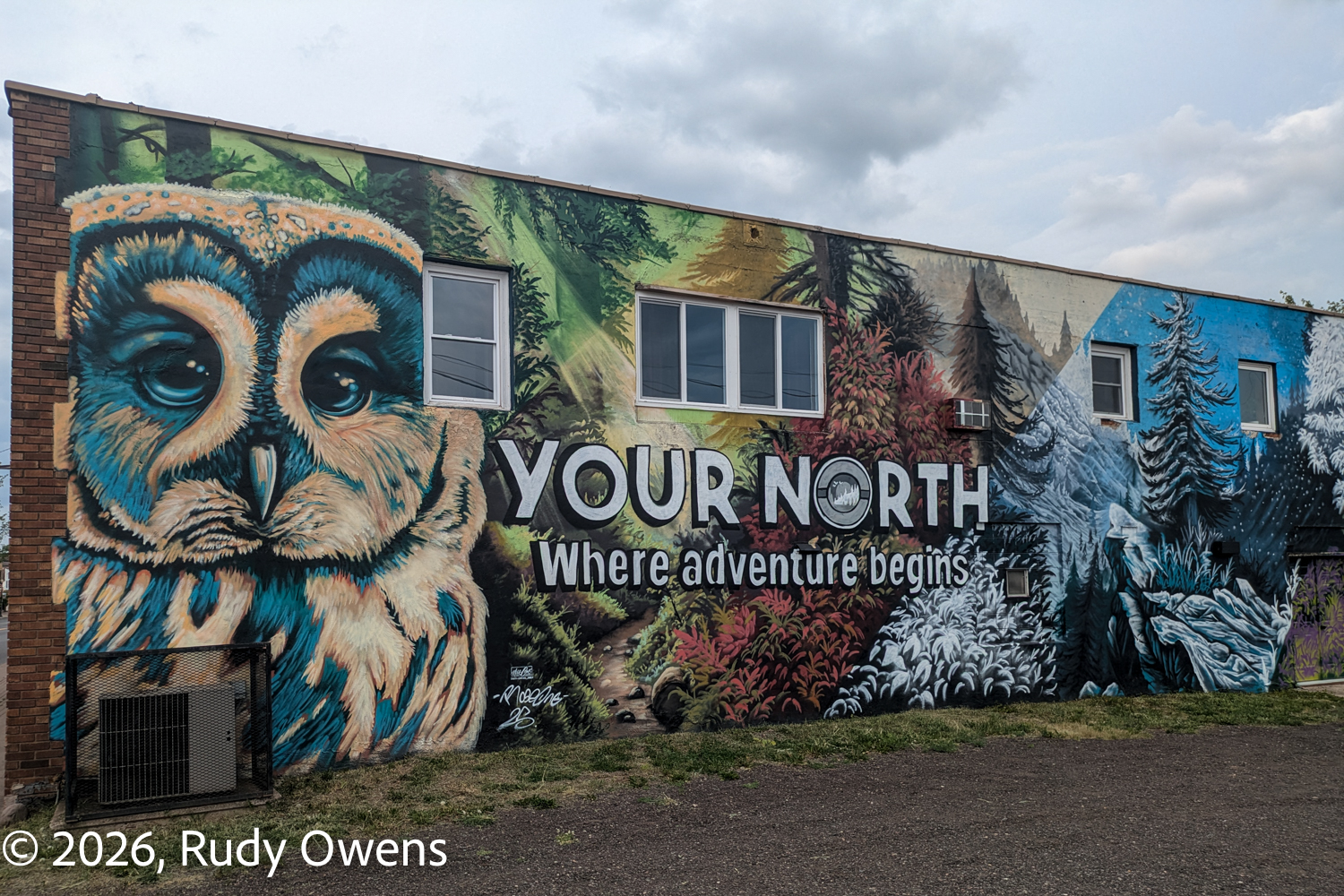
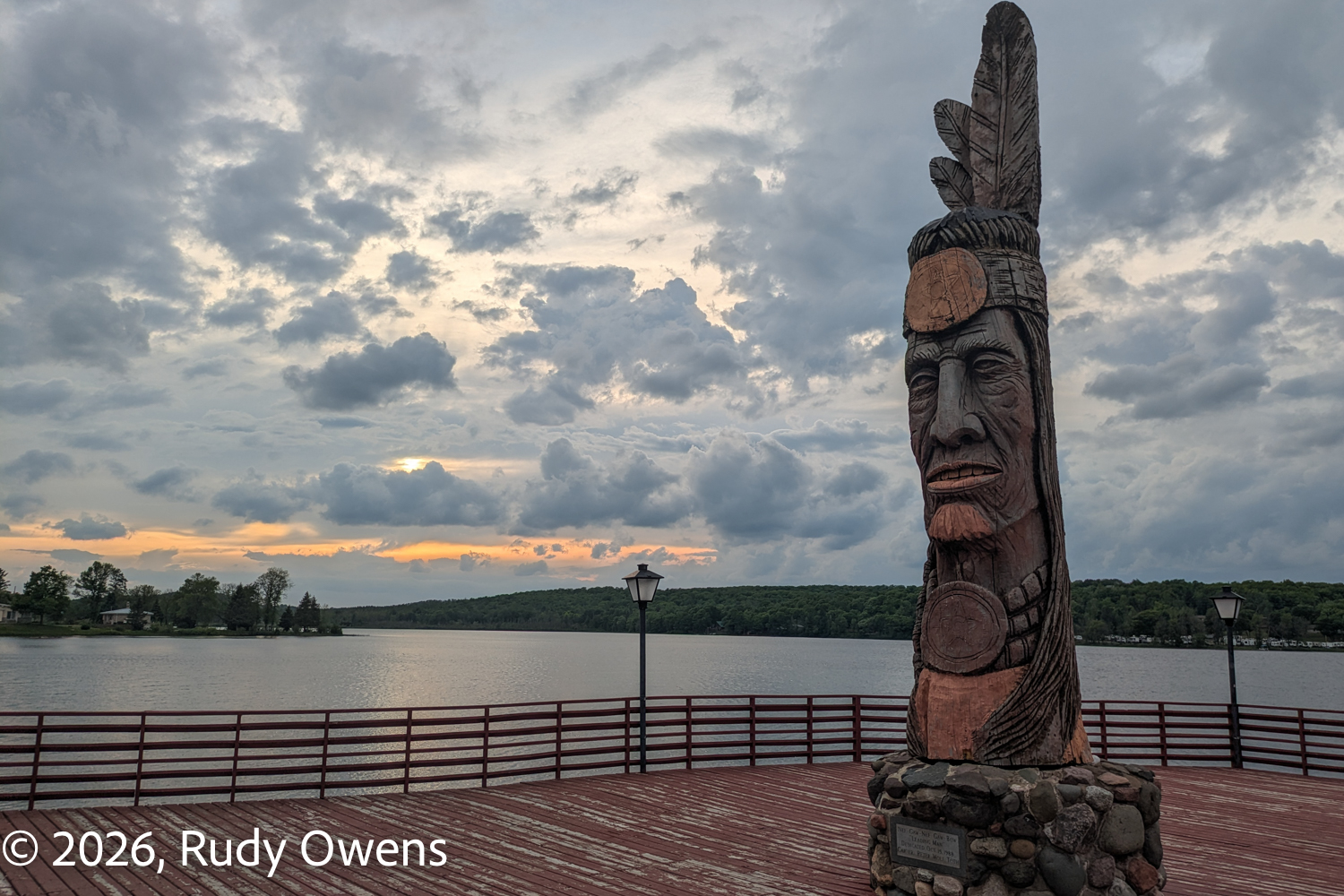
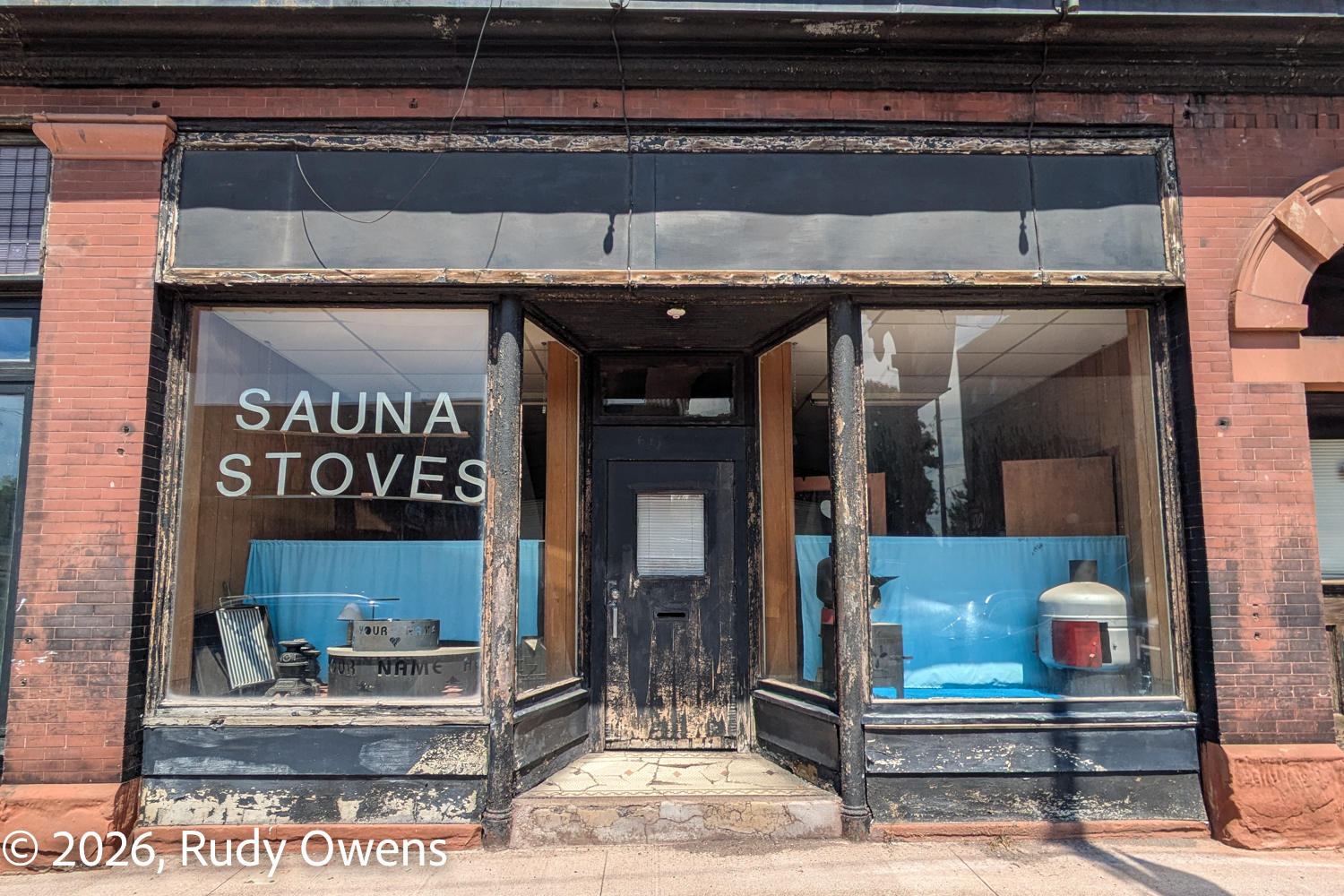
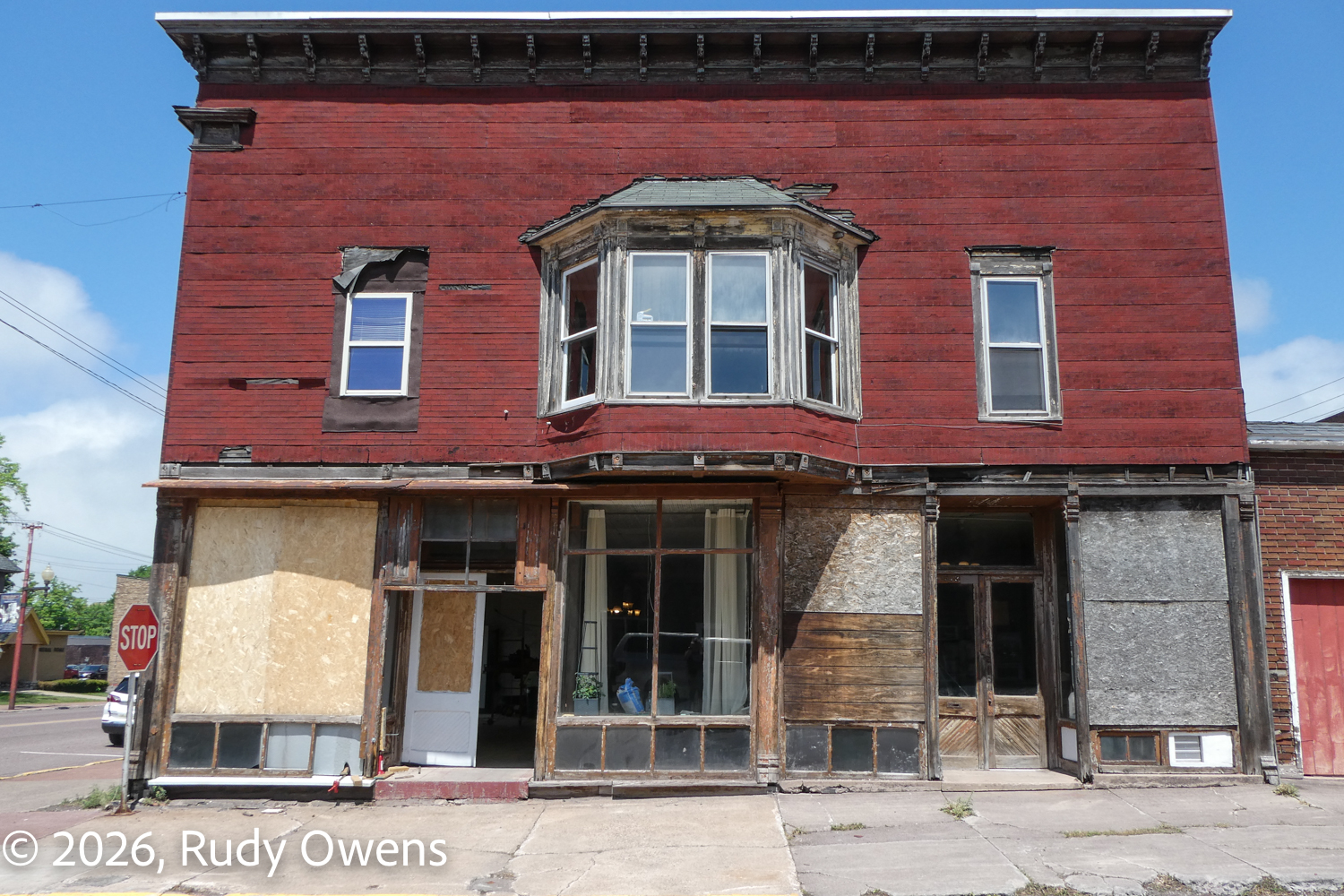
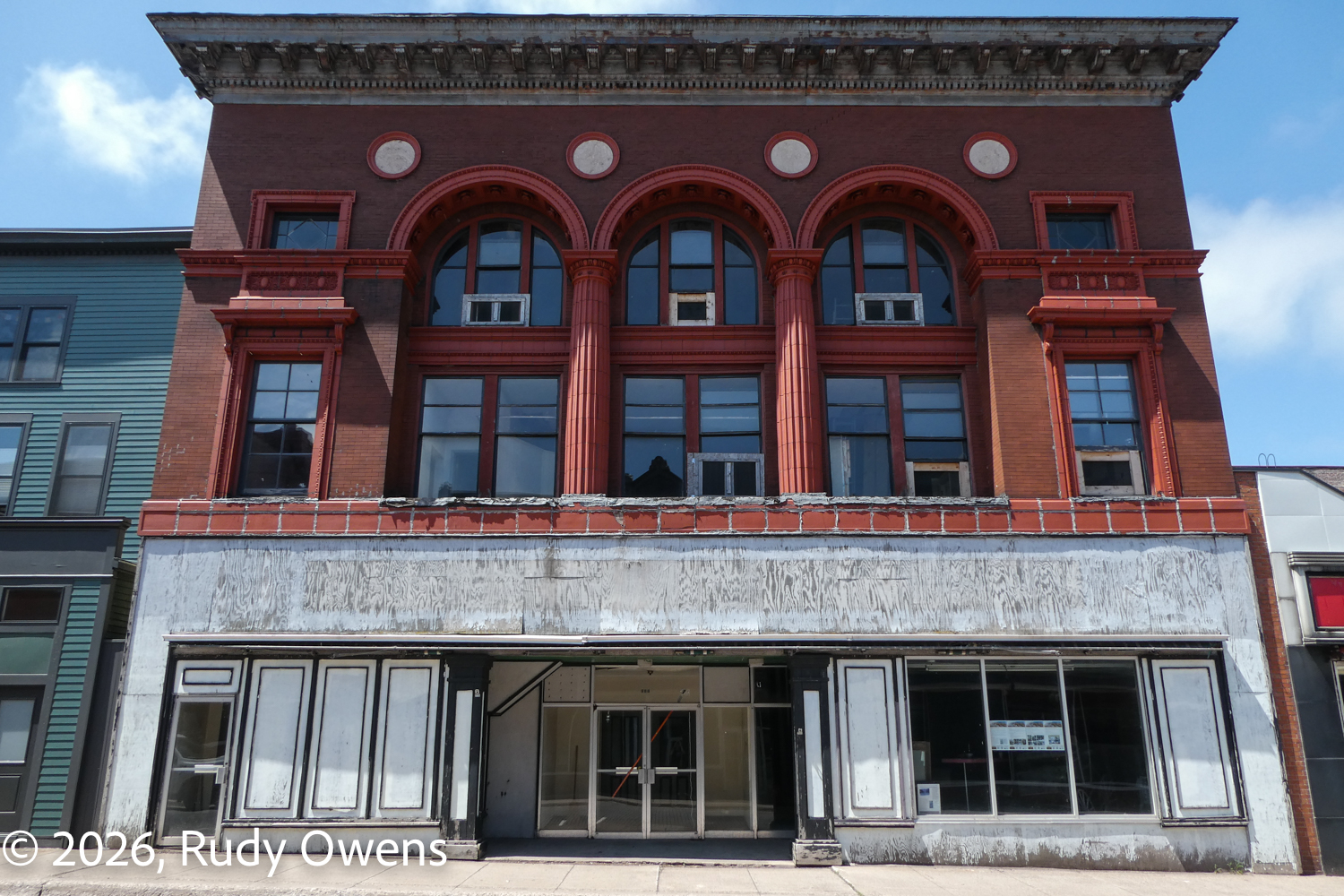
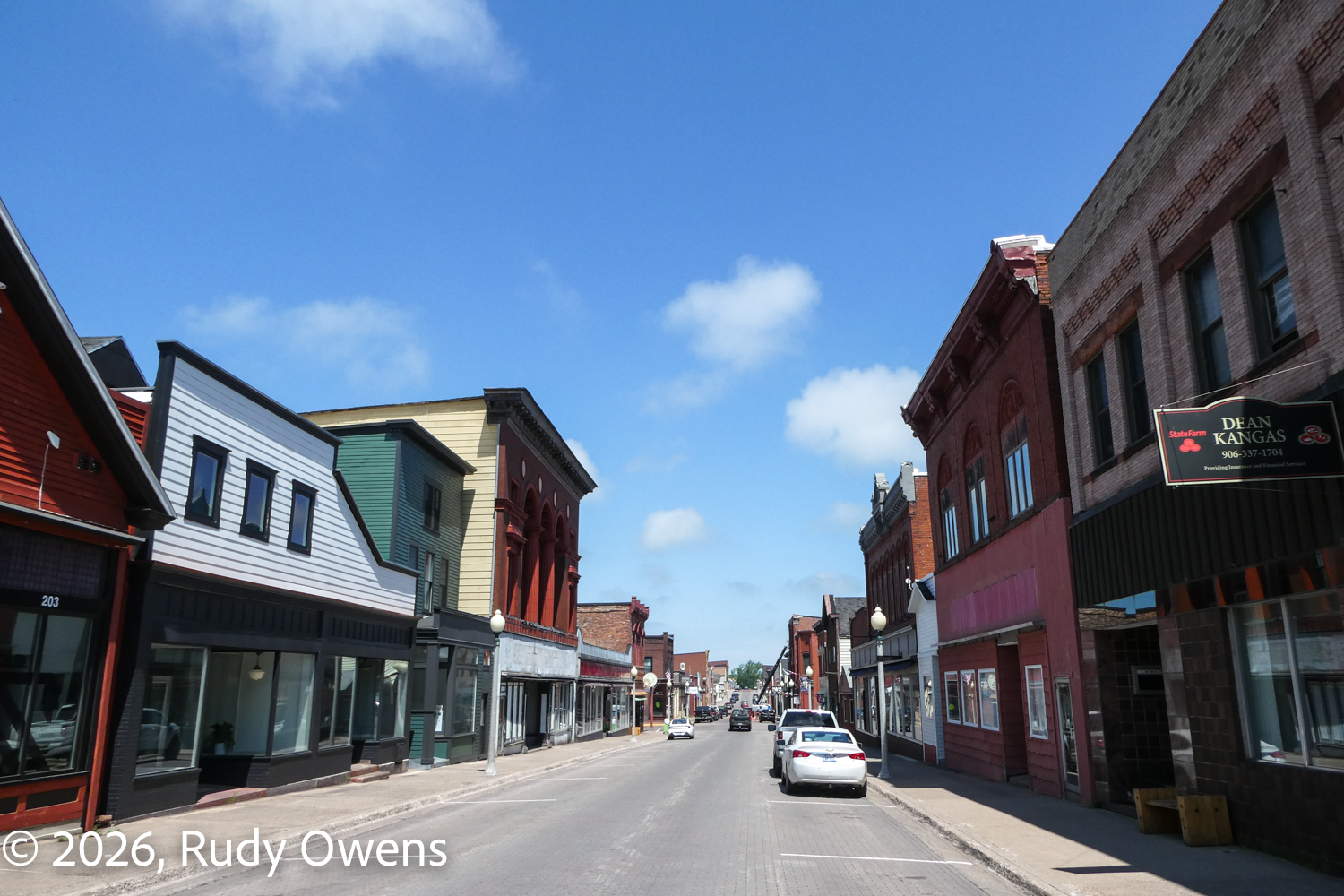
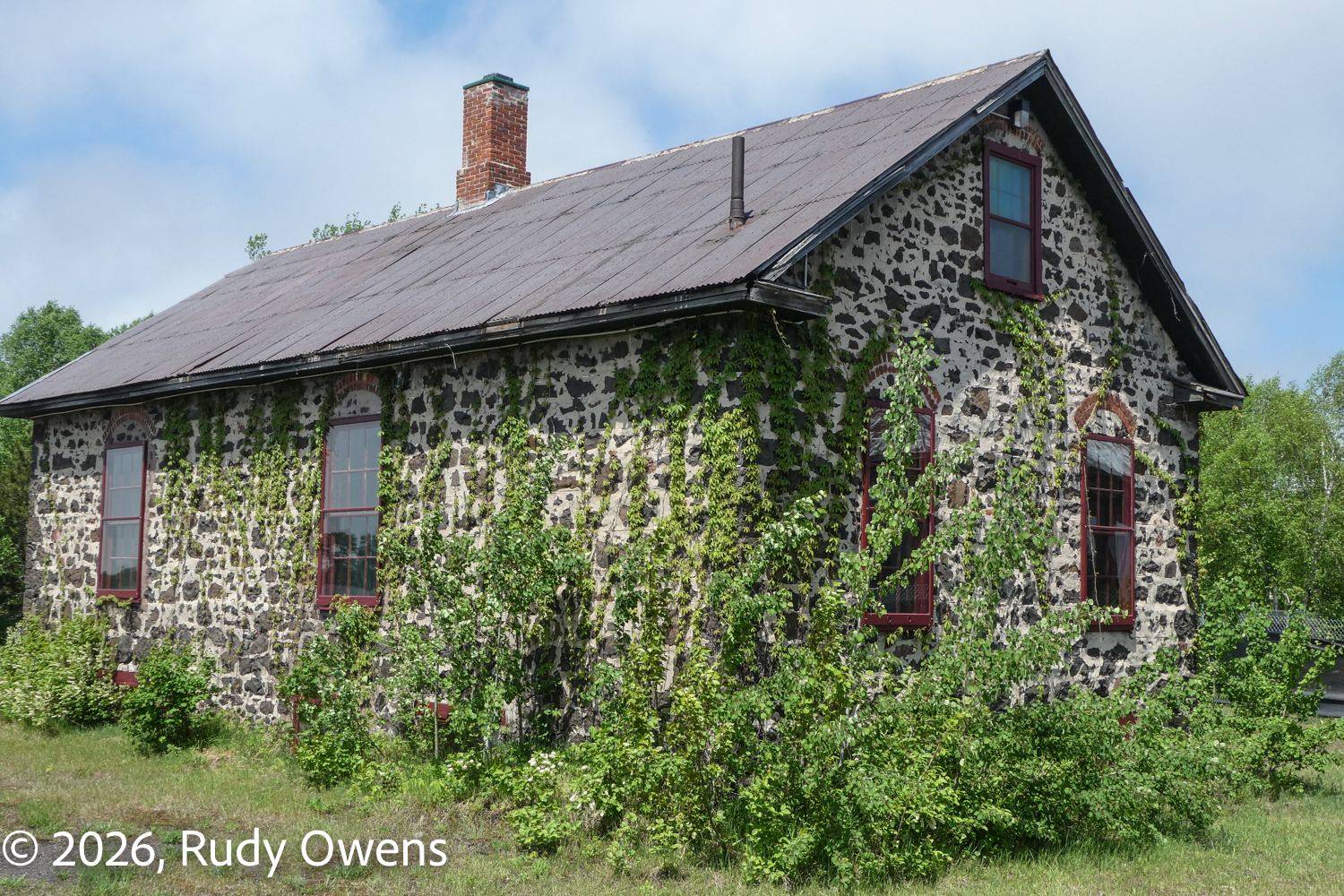
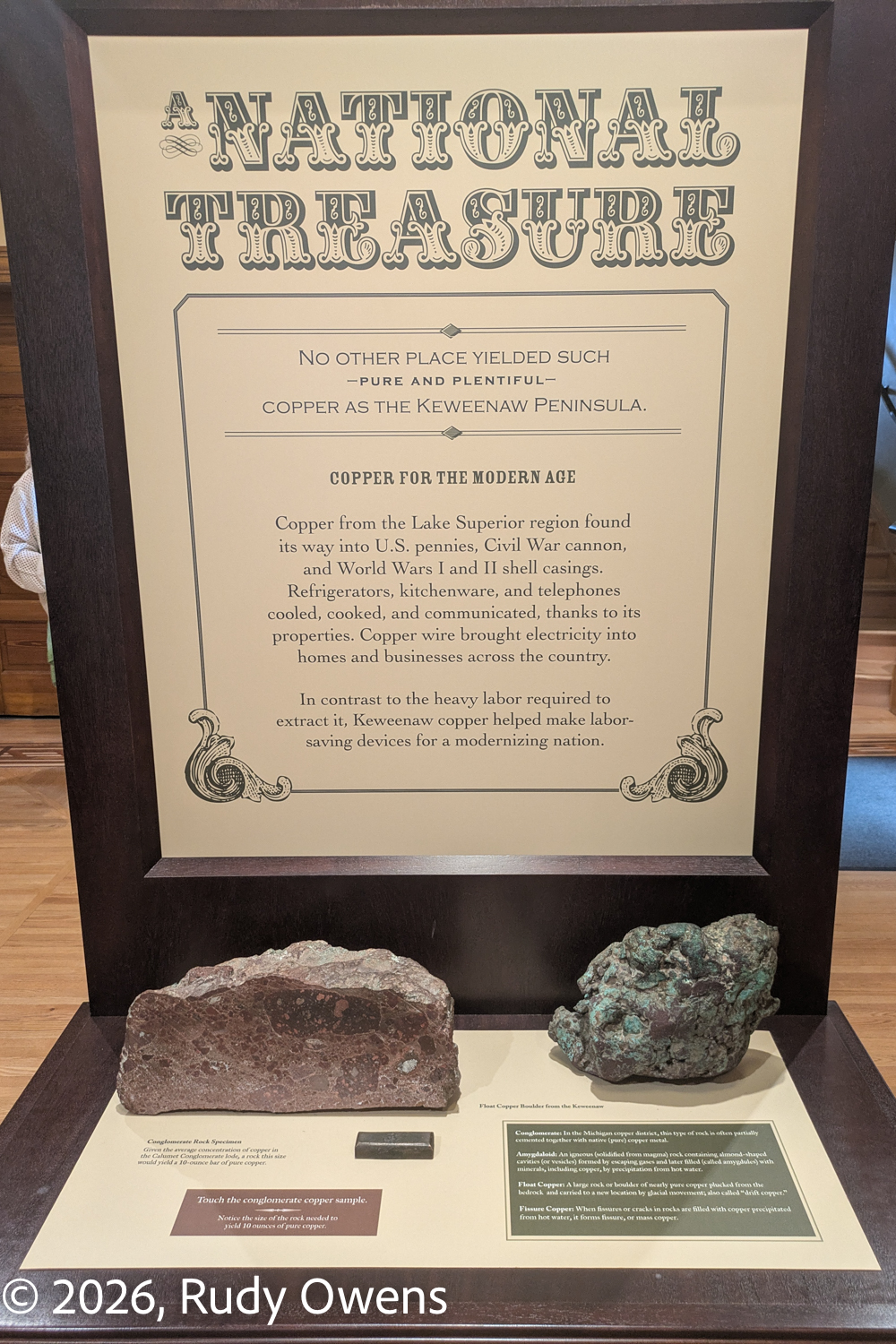
(Click on each photo to see a larger image in a separate picture page.)
I recently completed a long overdue trip to the North Country, driving by car from the Twin Cities in Minnesota, to another pair of twin cities, in Michigan’s Upper Peninsula: Houghton and Hancock. I racked up 800 miles in three days and was able to get a glimpse into another place in time, when the region of northern Minnesota, Wisconsin, and Michigan were centers for mining and resource extraction that helped to fuel the industrial revolution in the late 19th and early 20th centuries.
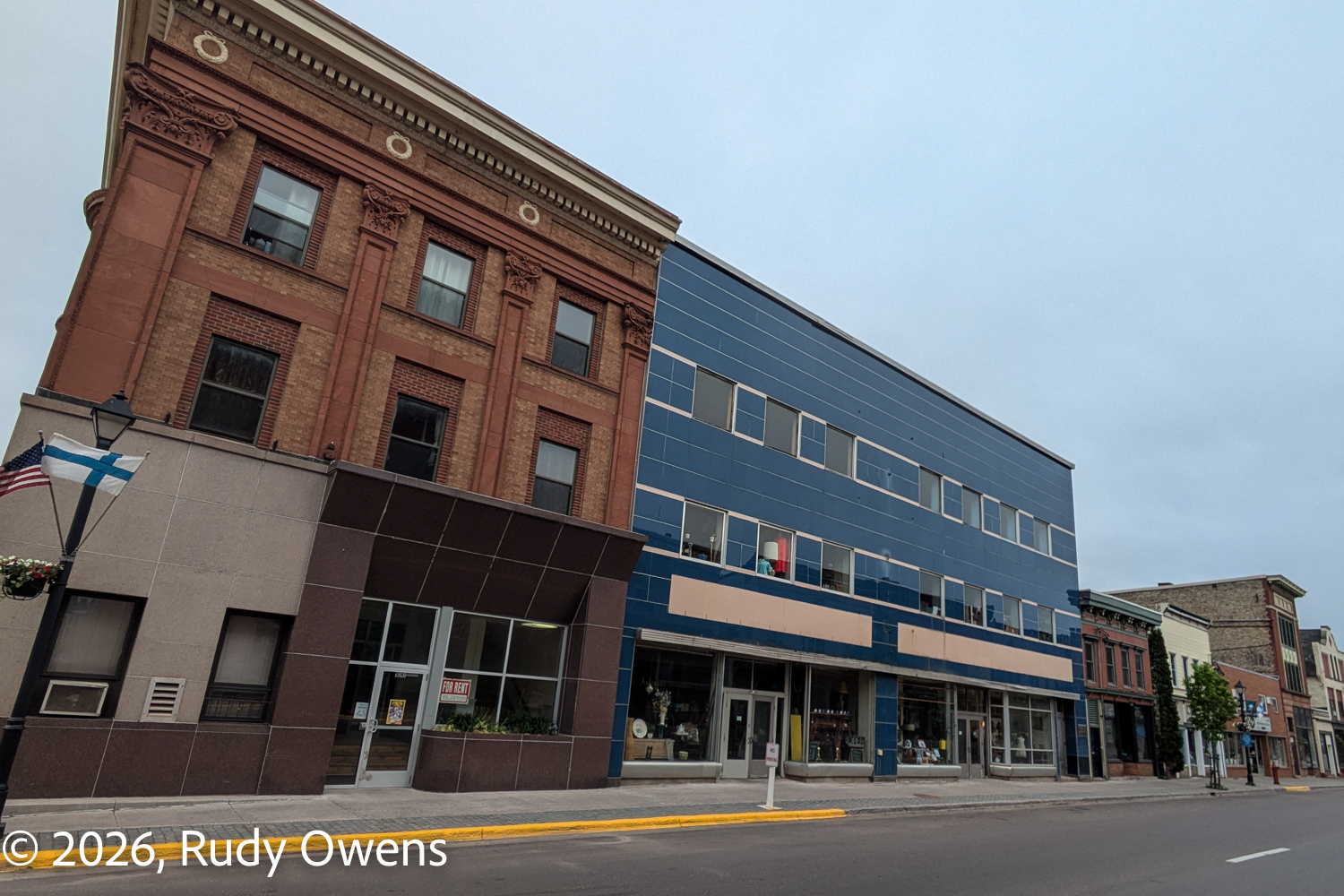
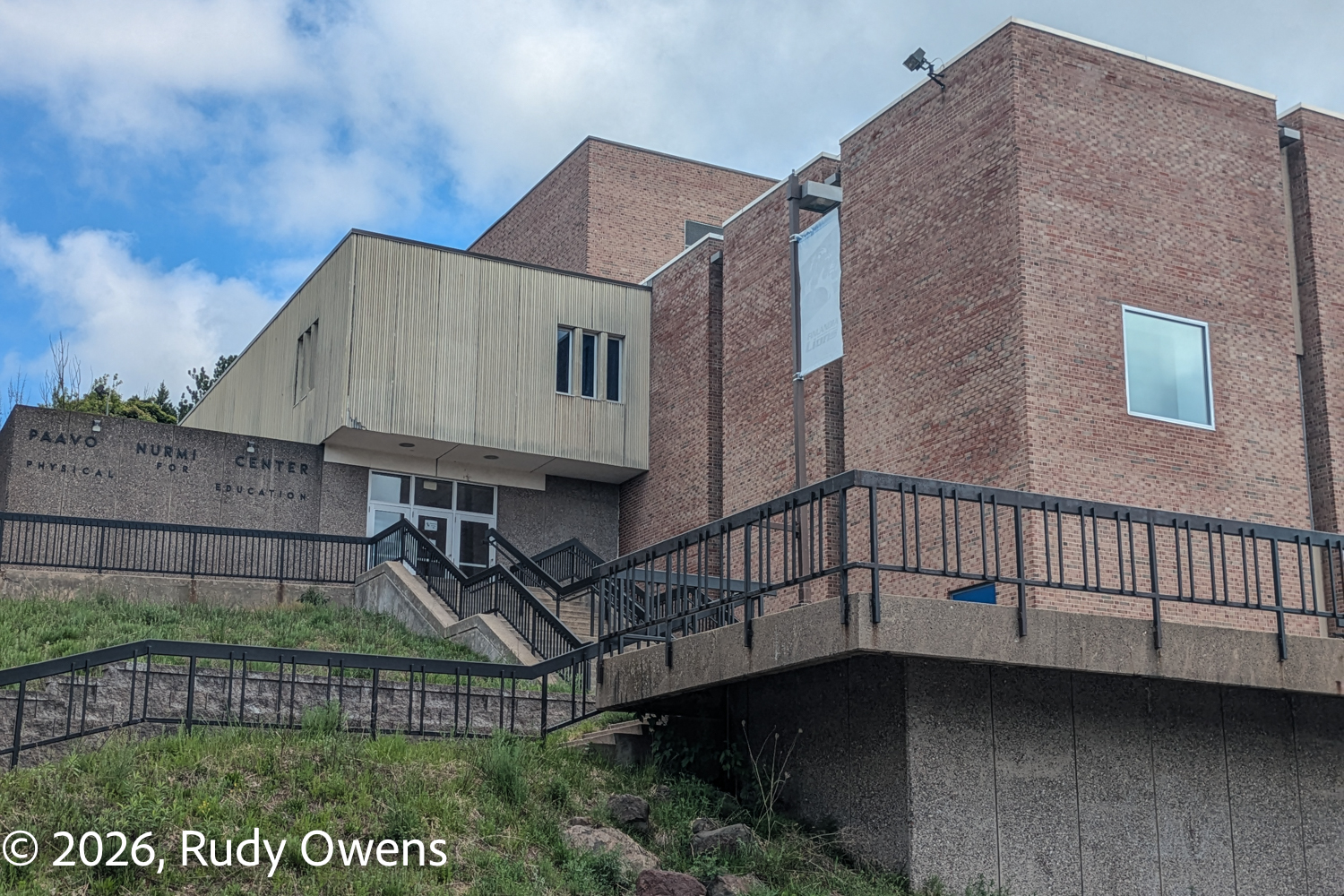
Houghton and Hancock were once hubs of mining-related commerce and waves of immigration from Europe that attracted many immigrant laborers, including my Finnish great grandparents. Today the area feels like a shell of its former boom days at the early part of the 20th century. The old Suomi College (renamed Finlandia University), founded by Finnish immigrants in Hancock, folded in 2023, leaving the former university empty after a century of education and learning. Michigan Tech University still thrives in Houghton.
My great grandparents, who mostly spoke Finnish for decades, raised their five kids in Hancock, and lived there until their respective deaths in the mid-1930s and late 1960s. I had long known that my great grandparents, on my birth mother’s maternal side, had emigrated to Hancock in the early 1900s, like thousands of other Finnish immigrants, who came to work the dozens of copper mines that are found in the Keweenaw Peninsula on Michigan’s Upper Peninsula. My great grandfather, who died before he turned 58, labored in a coal dock, likely creating lasting health issues that led to an early death.
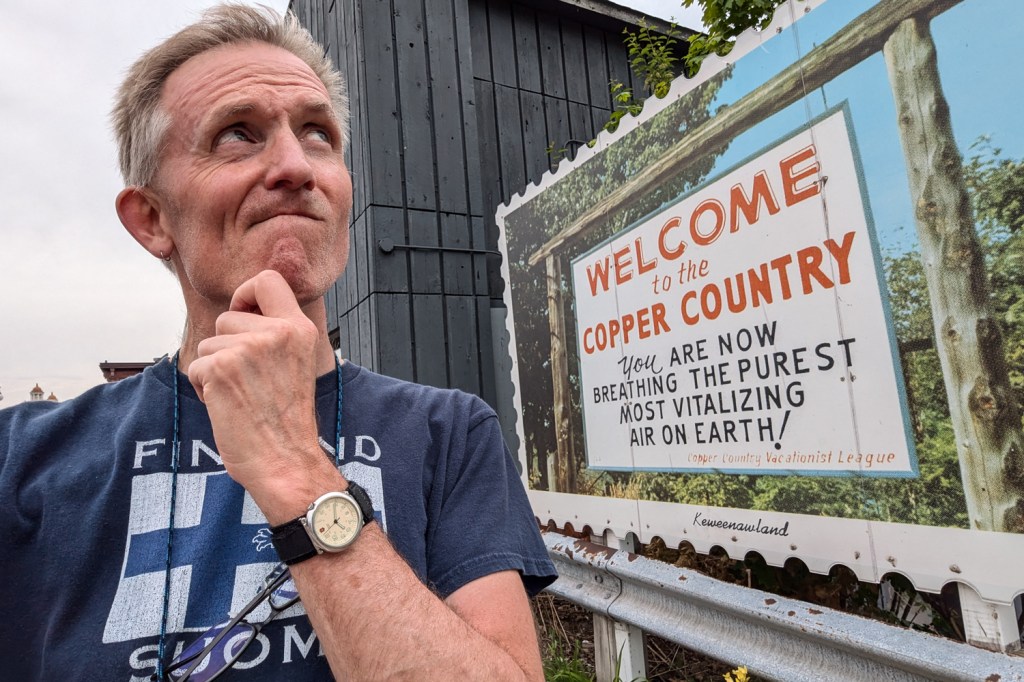
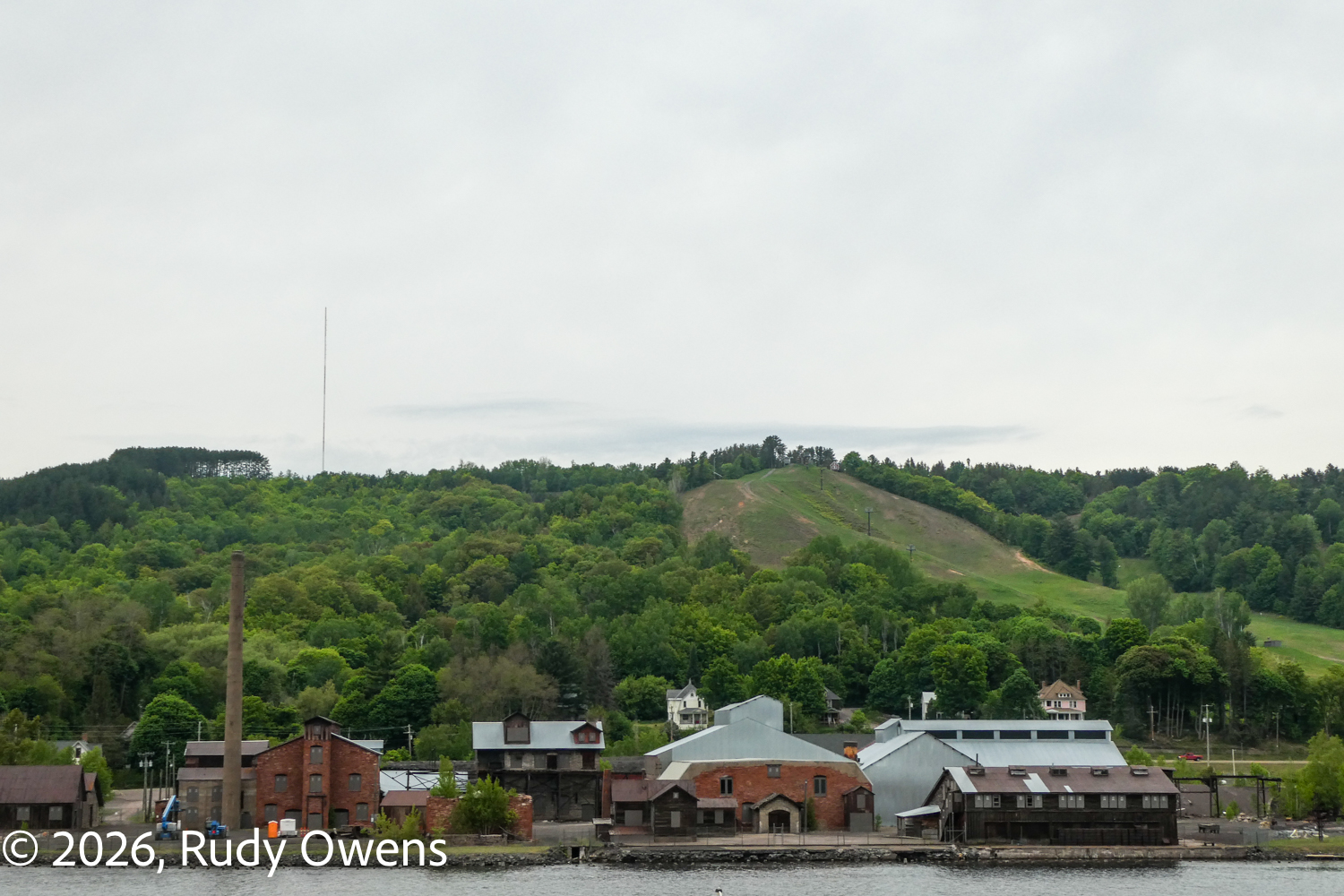
The Keweenaw Peninsula is considered to have one of the richest copper reserves ever dug from North America, and those reserves and the decades of mining in the 19th and 20th centuries are what pulled in immigrants from all over Europe, including from then-Russian controlled Finland. My kin from Finland were among thousands who made that journey to start a hard, new life. Dozens of copper mines thrived, and then once the reserves were extracted, began to shut down by the start of World War II, including the historic Quincy Mine, that stands like a dark tower of Mordor above the struggling city of Hancock, in the valley below the hills.
The Upper Peninsula is completely off any travel path. It remains remote today. The remoteness of the area, and its distance the Pacific Northwest, where I have lived most of my adult life, meant I kept putting off a trip for decades. But, having connected with my Finnish kin in Finland in 2023, it felt like the right time to see the land the Finnish immigrants including my own family settled in the United States.
Finally I found a nice window and booked a four-day, three-night trip in early June 2026.
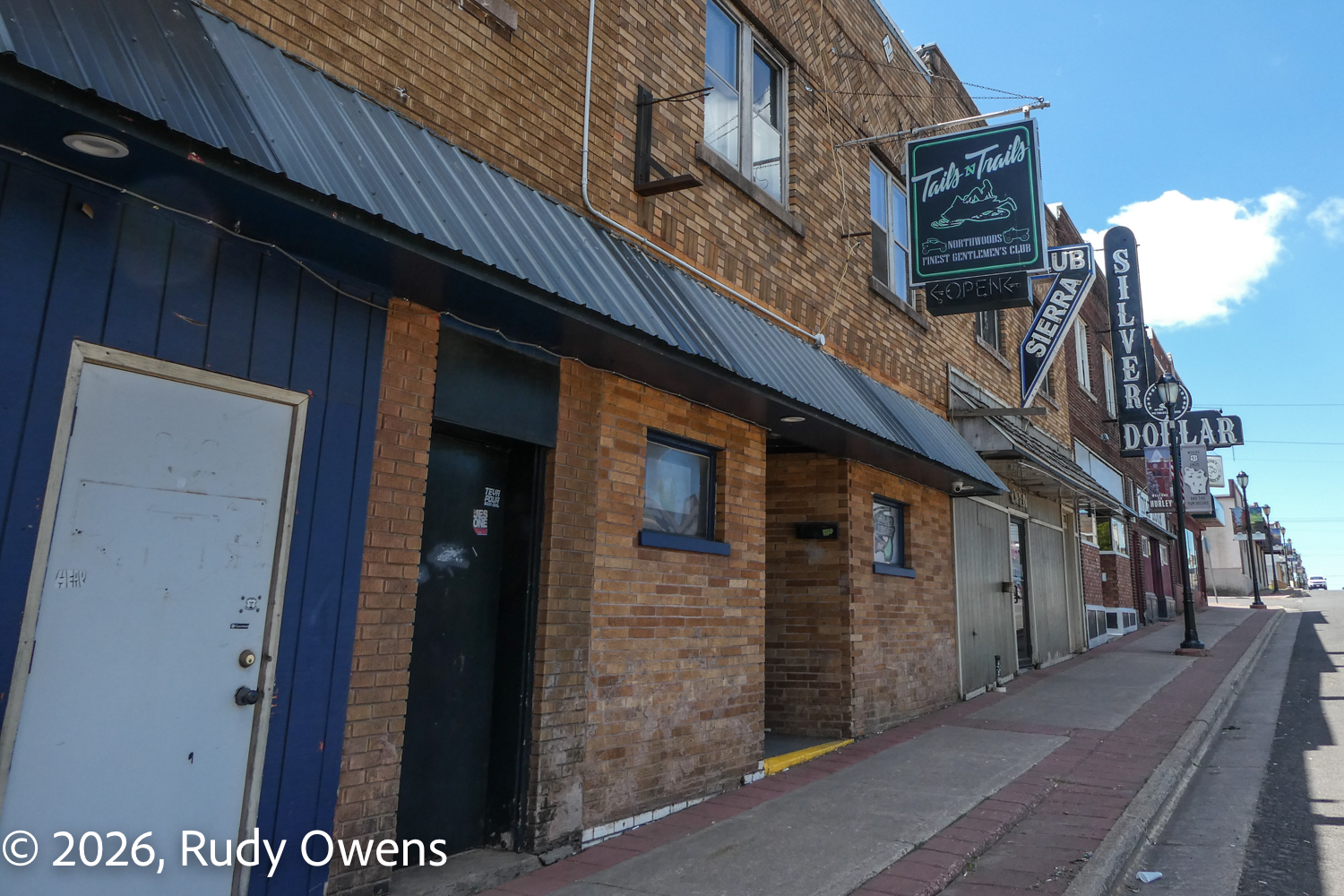
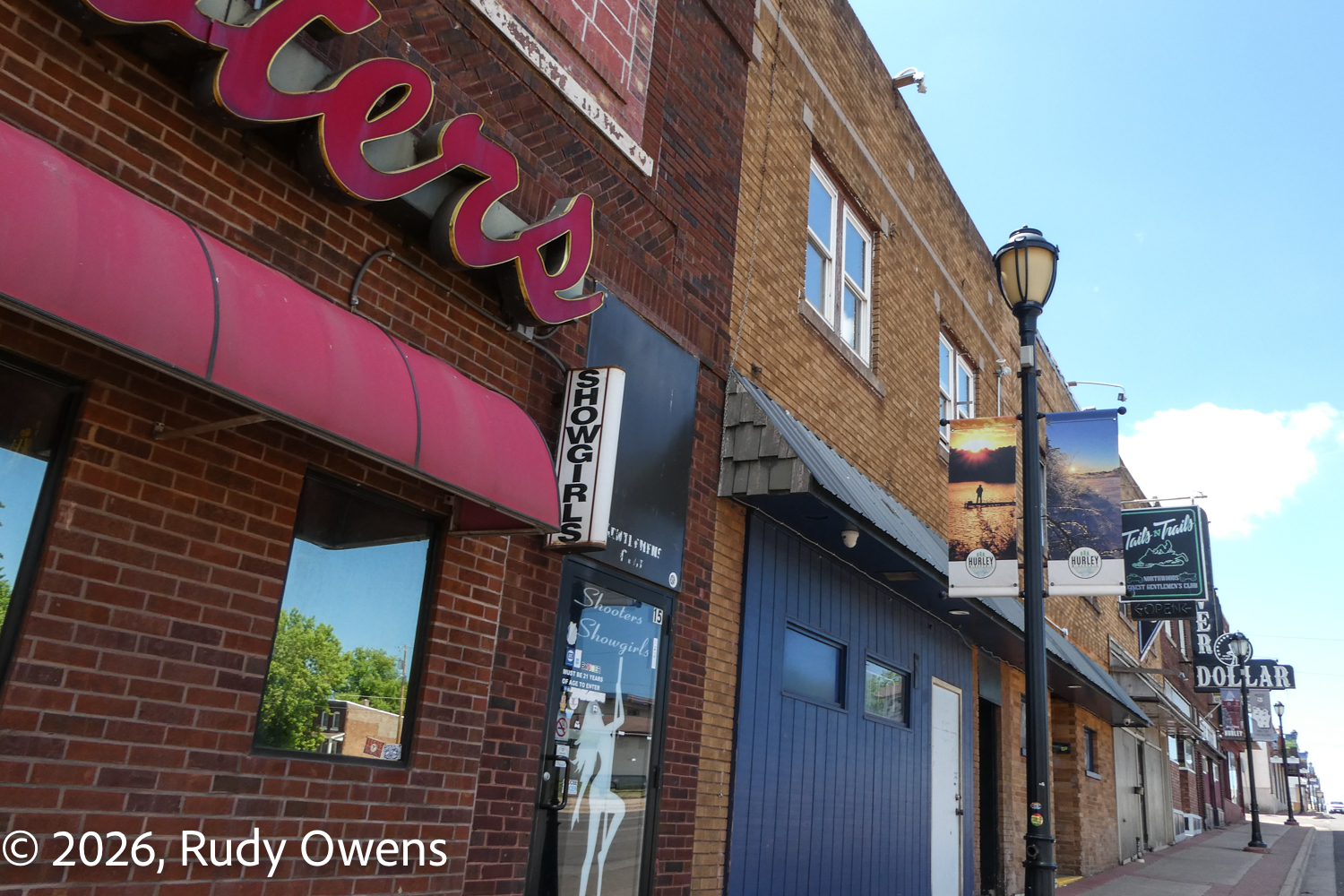
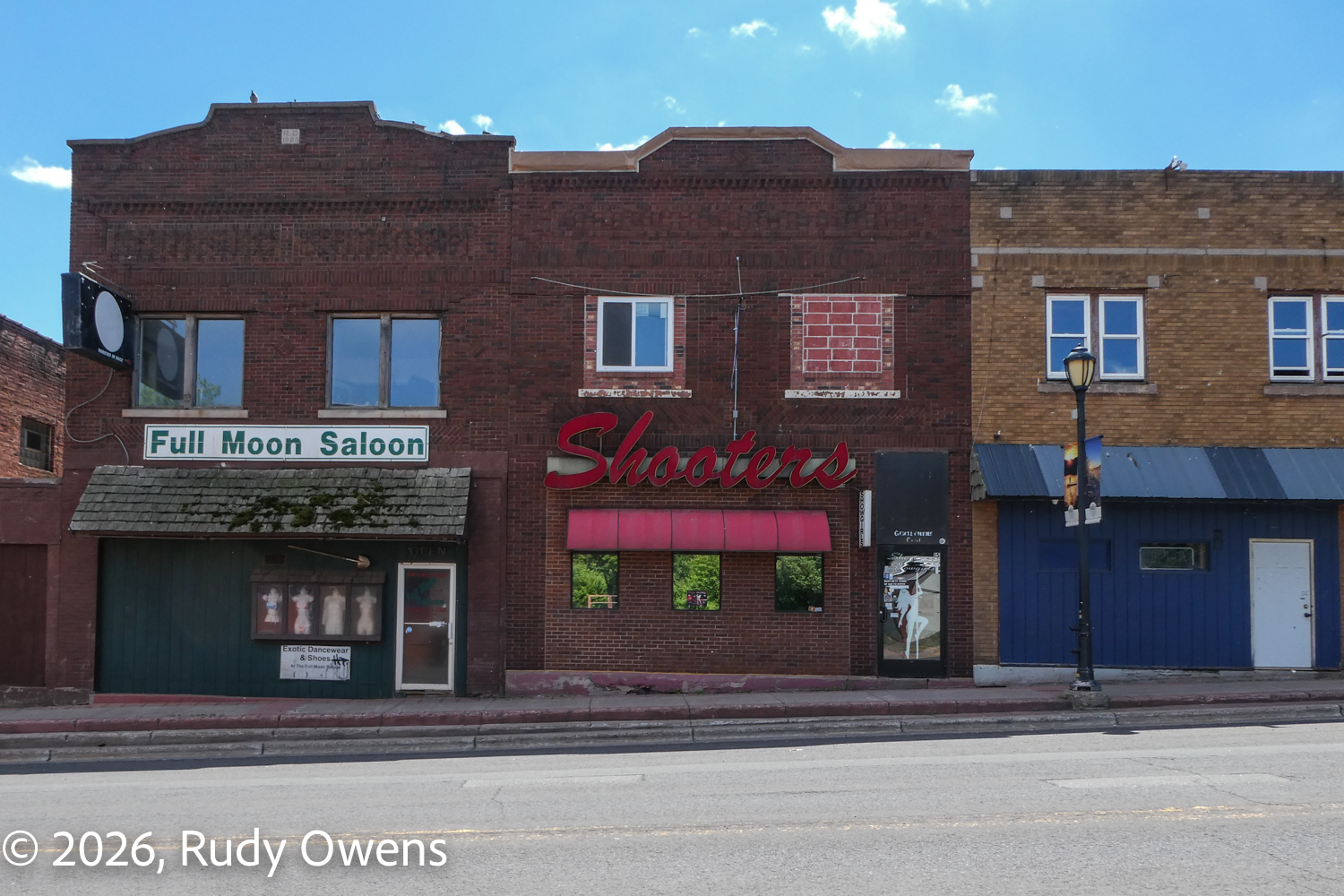
My journey began with a flight from Portland to Minneapolis. From there, I drove mostly state highways in Minnesota, Wisconsin. The trip took me through the northern small cities and communities of northern Wisconsin and the now visibly right-leaning communities one passes along the way in Wisconsin and Michigan: Mellen, Montreal, Hurley, Ironwood, Wakefield, Bergland, Mass City—before you arrive in Houghton and Hancock. I did as much as I could into a day and a half in the cities of my distant relatives in Michigan.
I felt very comfortable and connected here as a native Michigander, who was born of a half-Finnish-American mother who, with her parents, spent a lot of her life in Detroit. I have always considered myself both a native of Michigan and Detroit—in my DNA. I am a native son.
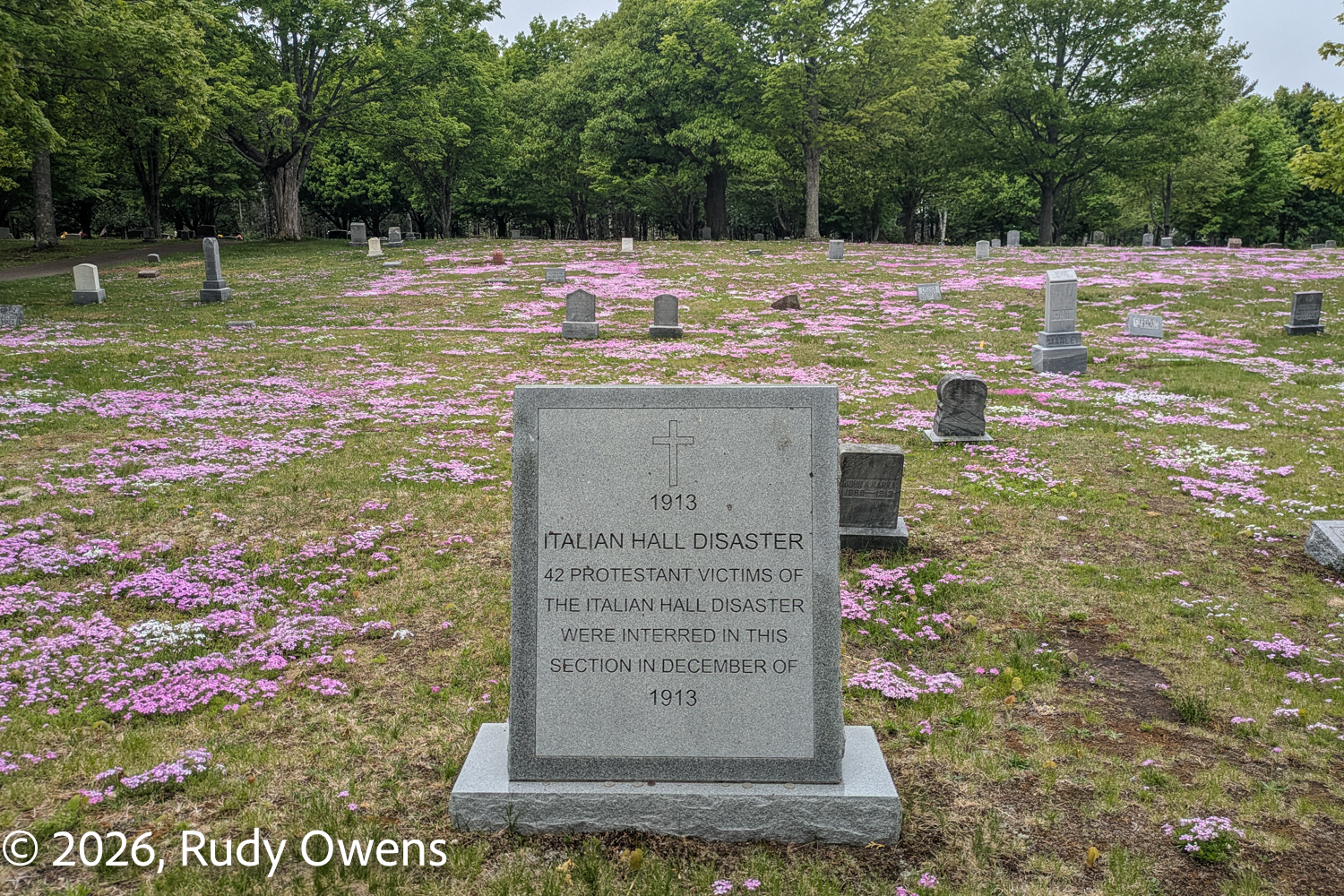
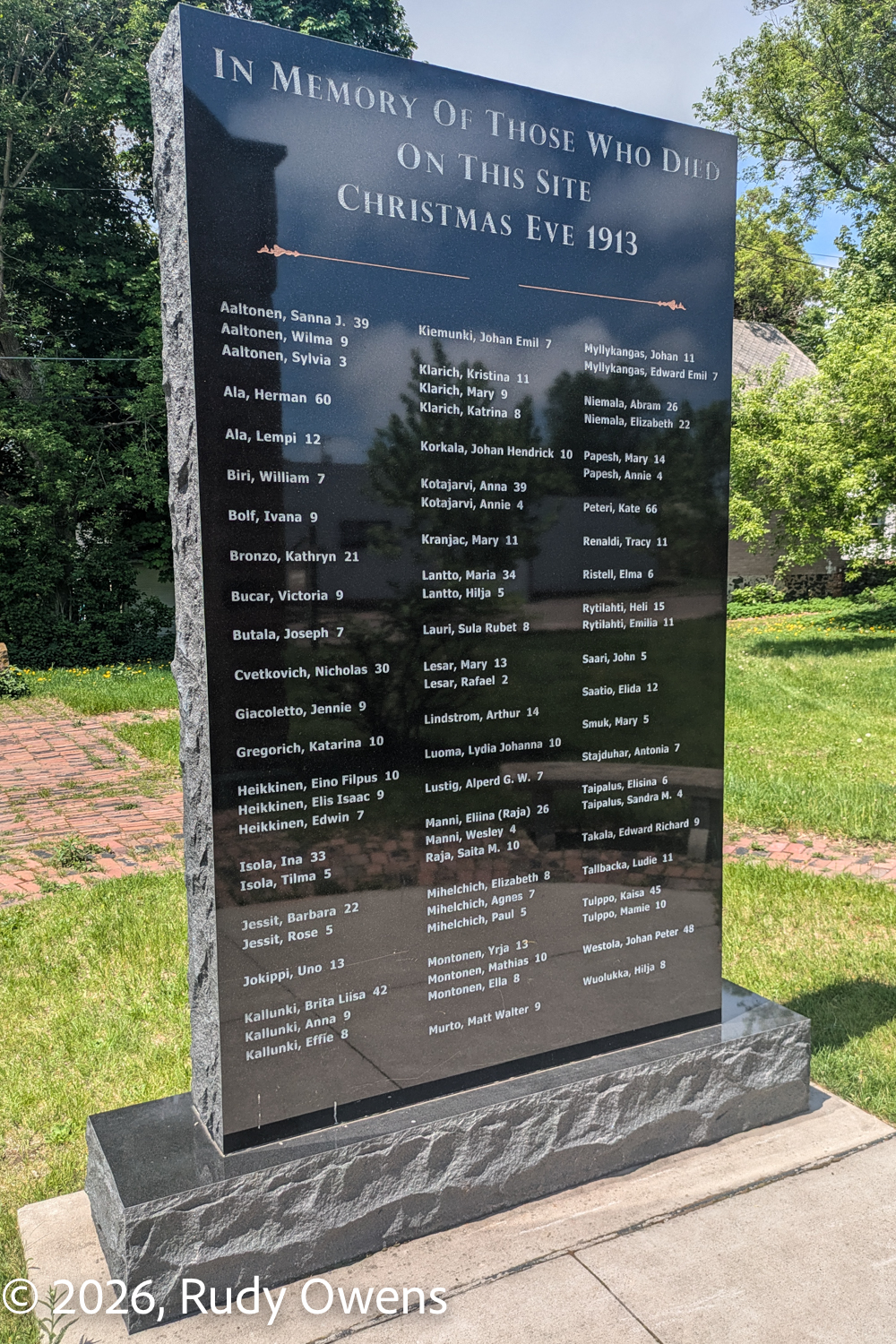
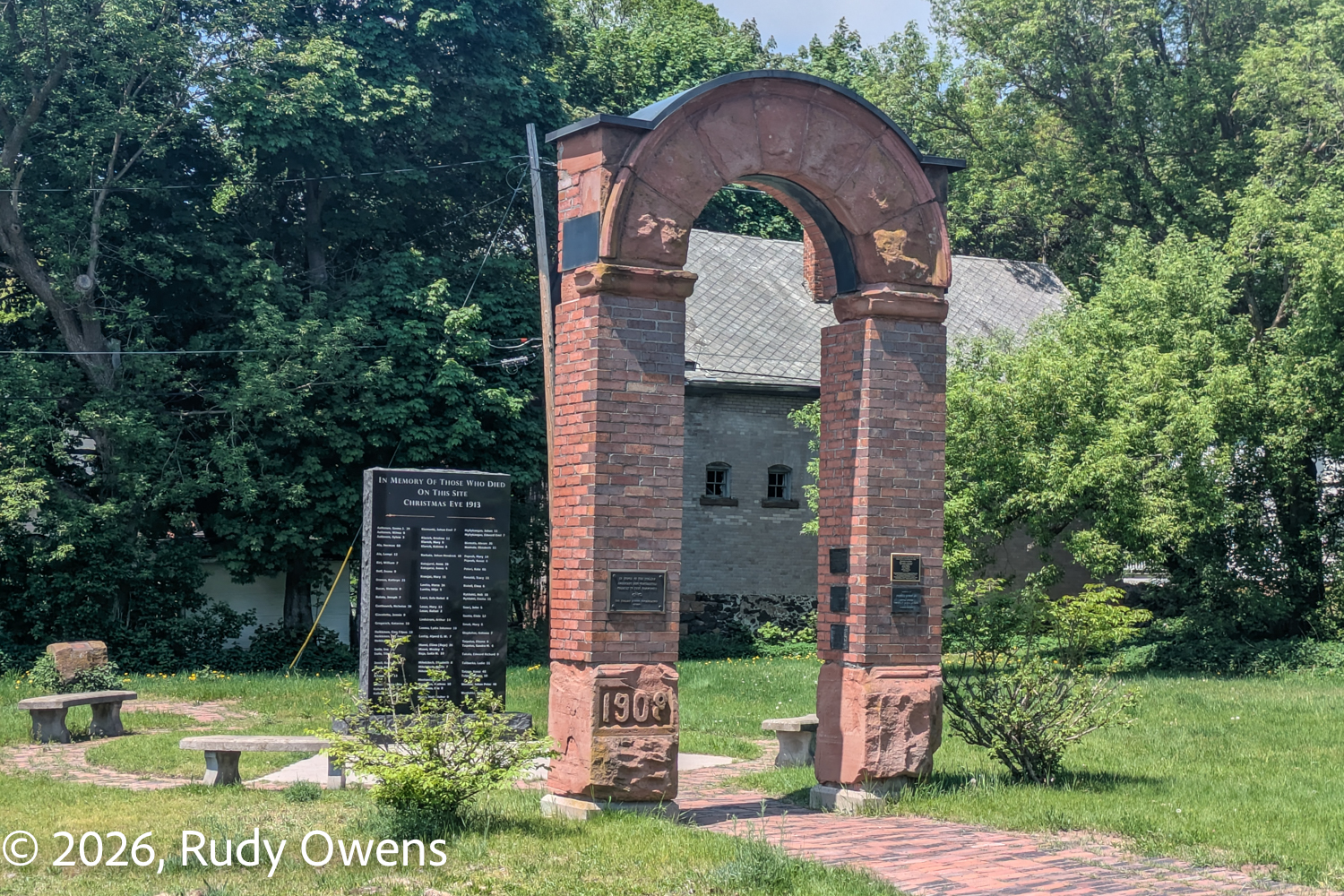
Once I arrived in my destination, in Hancock, I visited the once bustling mining city of Calumet, located about 10 minutes north of Hancock. It once had nearly 30,000 people and immigrants from all over Europe working in the copper mines at the turn of the 1900s, including at the large Calumet & Hecla Mine. I visited the famous memorial to the 74 victims of the terrible tragedy on Christmas Eve 1913 at Calumet’s Italian Hall, amid a violent and long copper miners strike that rocked the region and captivated the nation. I visited a family sauna on a family farm owned by a relative I met for the first time outside of Houghton. I visited the house where my great grandparents lived for decades, and was invited in by the owner. And I visited the graves of my great grandparents. I also walked the two cities and in nearby nature trails, soaking up the beauty and history.
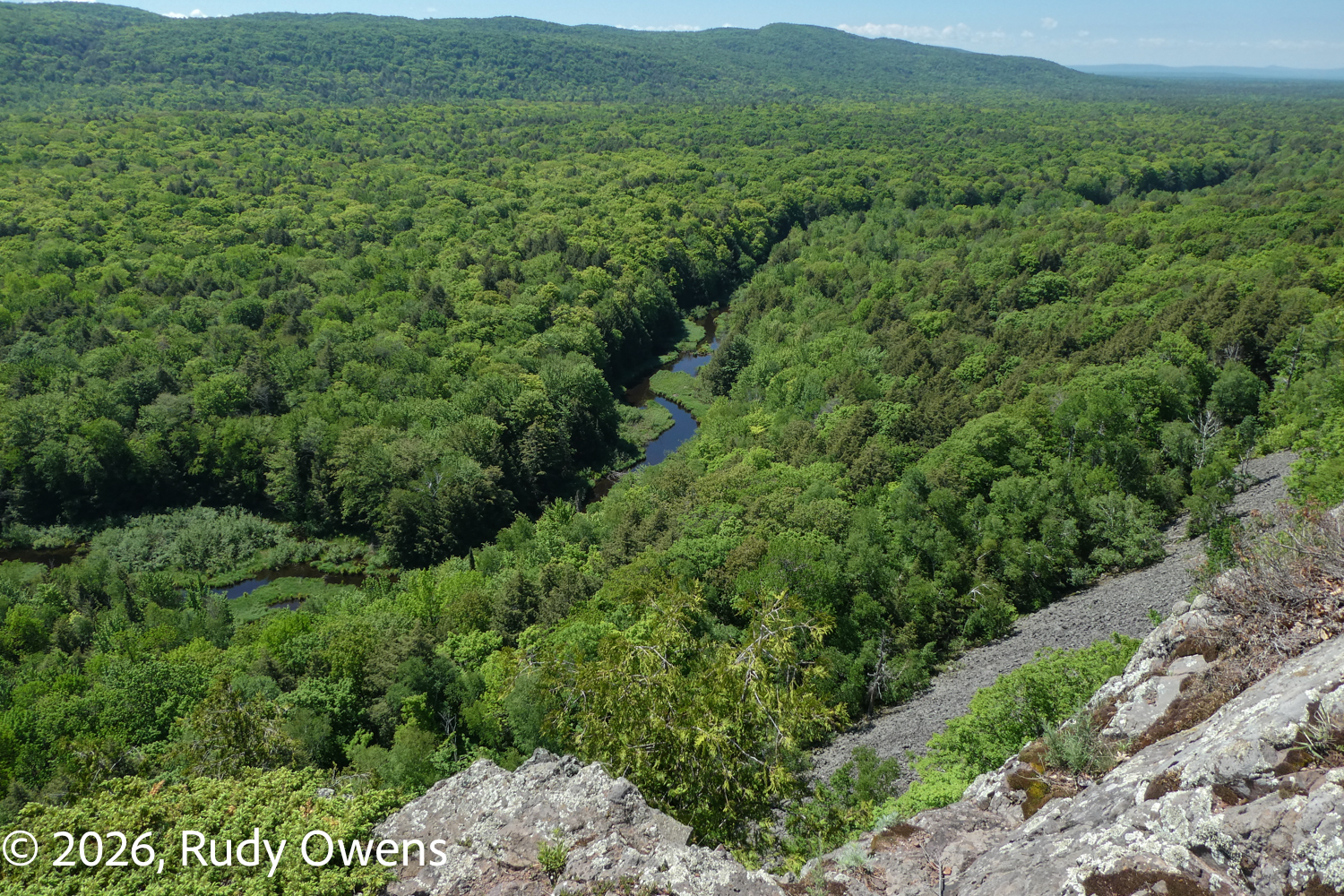
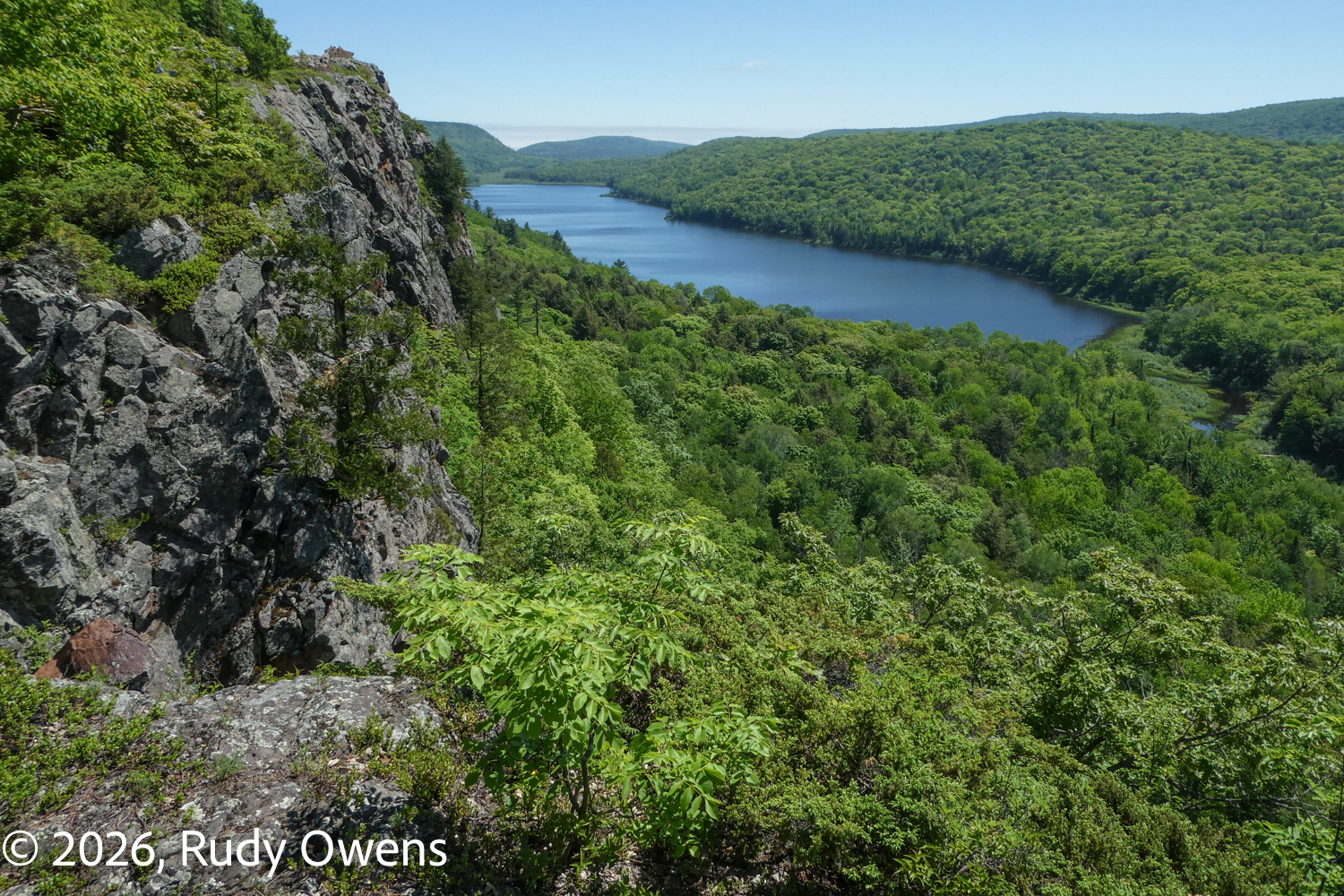
On my drive back to the Twin Cities, I took a spectacular detour to the shores of Lake Superior. The water was clear and surprising warm. The temperature was in the mid-60s F. I was at peace. I drive up to the popular Lake of the Clouds Overlook in the lush, Scenic Porcupine Wilderness Mountains State Park and allowed the amazing landscape to cast its spell. By 6 p.m. on my last day, I was back in Minneapolis feeling alive and renewed. What a trip indeed!

