Michigan

North Country travels, June 2026

(Click on each photo to see a larger image in a separate picture page.)

I recently completed a long overdue trip to the North Country, driving by car from the Twin Cities in Minnesota, to another pair of twin cities, in Michigan’s Upper Peninsula: Houghton and Hancock. I racked up 800 miles in three days and was able to get a glimpse into another place in time, when the region of northern Minnesota, Wisconsin, and Michigan were centers for mining and resource extraction that helped to fuel the industrial revolution in the late 19th and early 20th centuries.

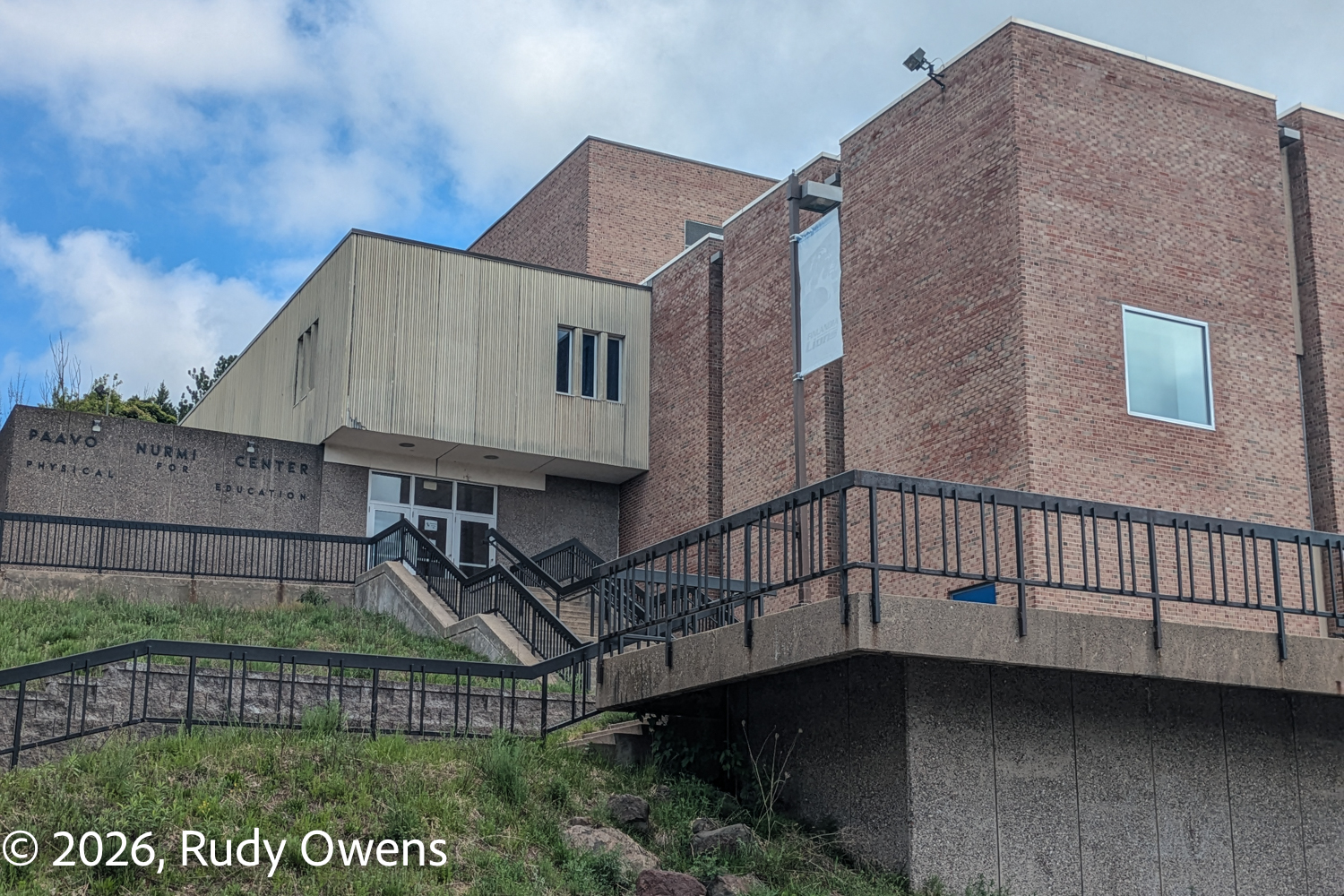
Houghton and Hancock were once hubs of mining-related commerce and waves of immigration from Europe that attracted many immigrant laborers, including my Finnish great grandparents. Today the area feels like a shell of its former boom days at the early part of the 20th century. The old Suomi College (renamed Finlandia University), founded by Finnish immigrants in Hancock, folded in 2023, leaving the former university empty after a century of education and learning. Michigan Tech University still thrives in Houghton.

My great grandparents, who mostly spoke Finnish for decades, raised their five kids in Hancock, and lived there until their respective deaths in the mid-1930s and late 1960s. I had long known that my great grandparents, on my birth mother’s maternal side, had emigrated to Hancock in the early 1900s, like thousands of other Finnish immigrants, who came to work the dozens of copper mines that are found in the Keweenaw Peninsula on Michigan’s Upper Peninsula. My great grandfather, who died before he turned 58, labored in a coal dock, likely creating lasting health issues that led to an early death.
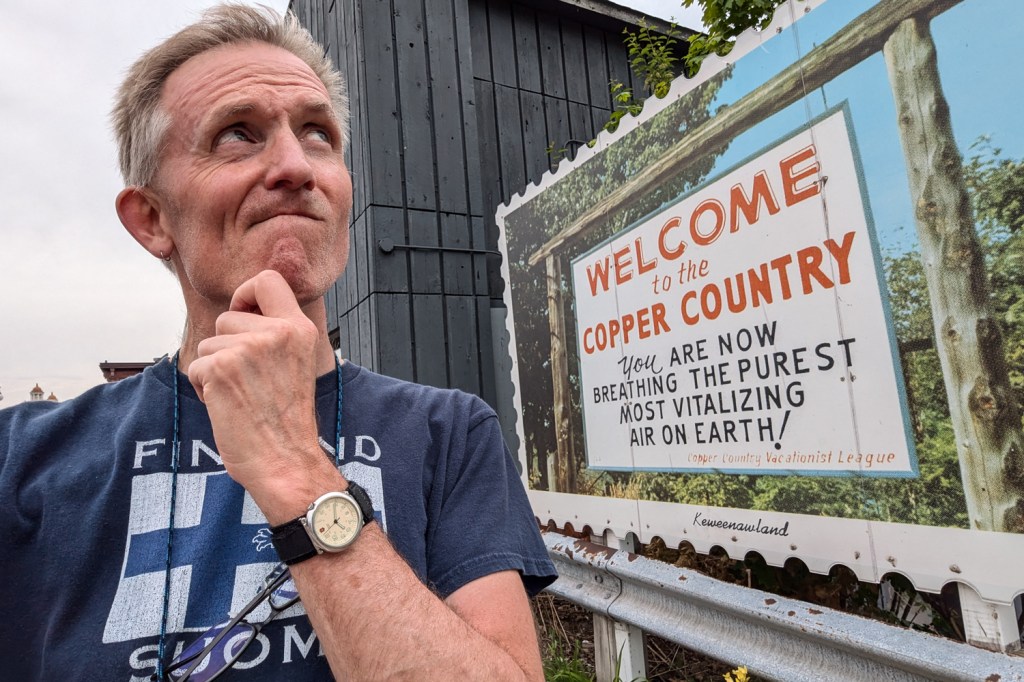
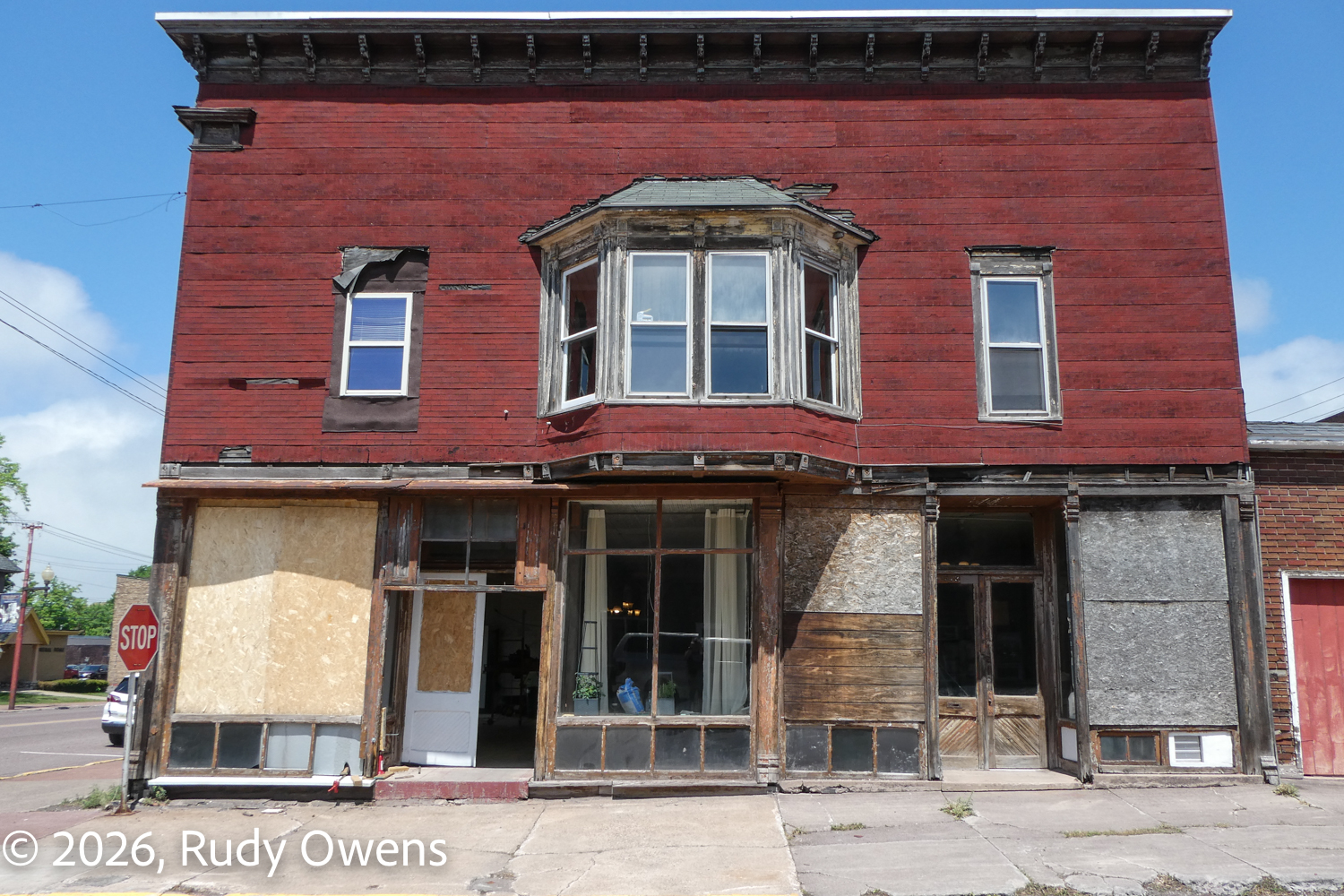
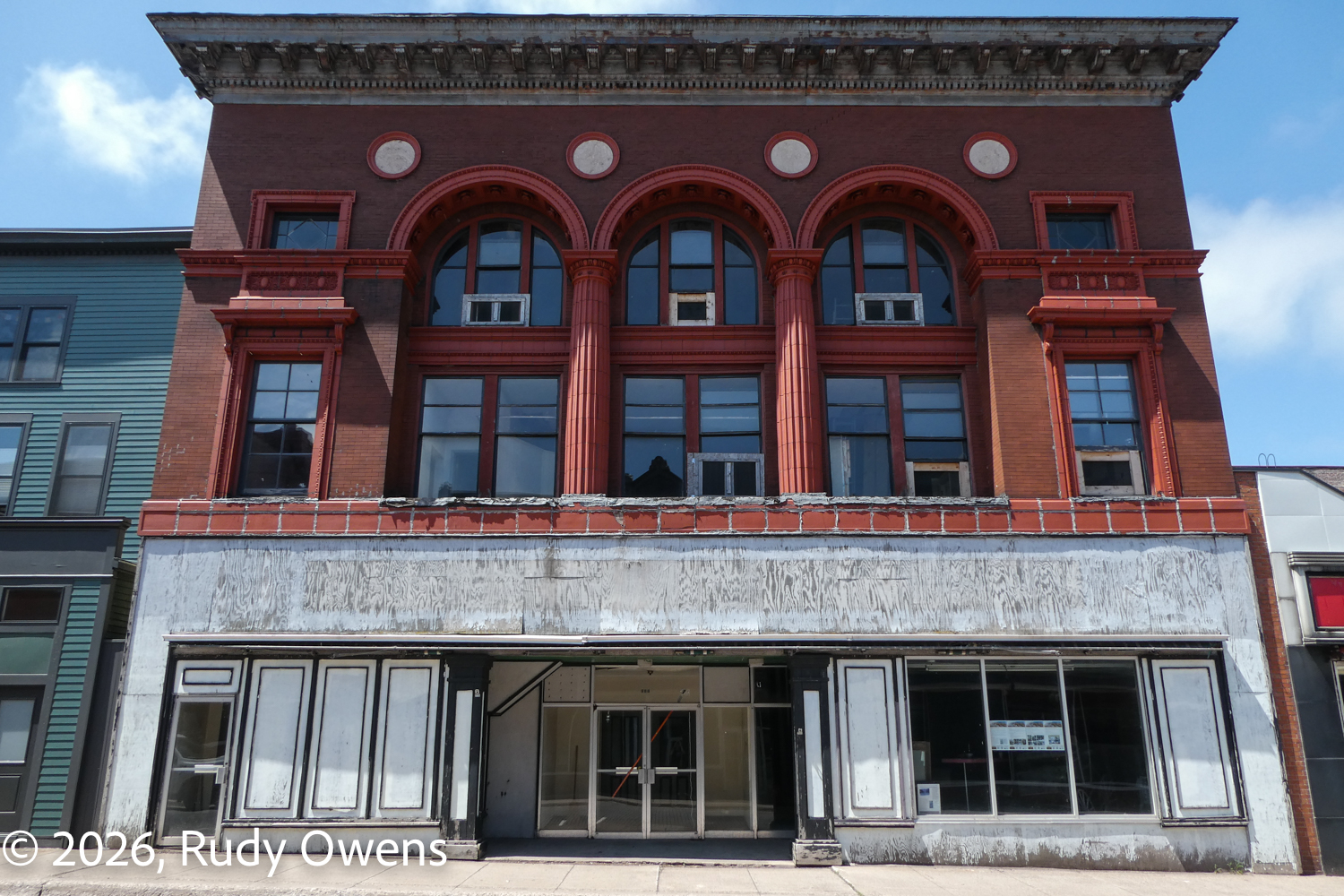
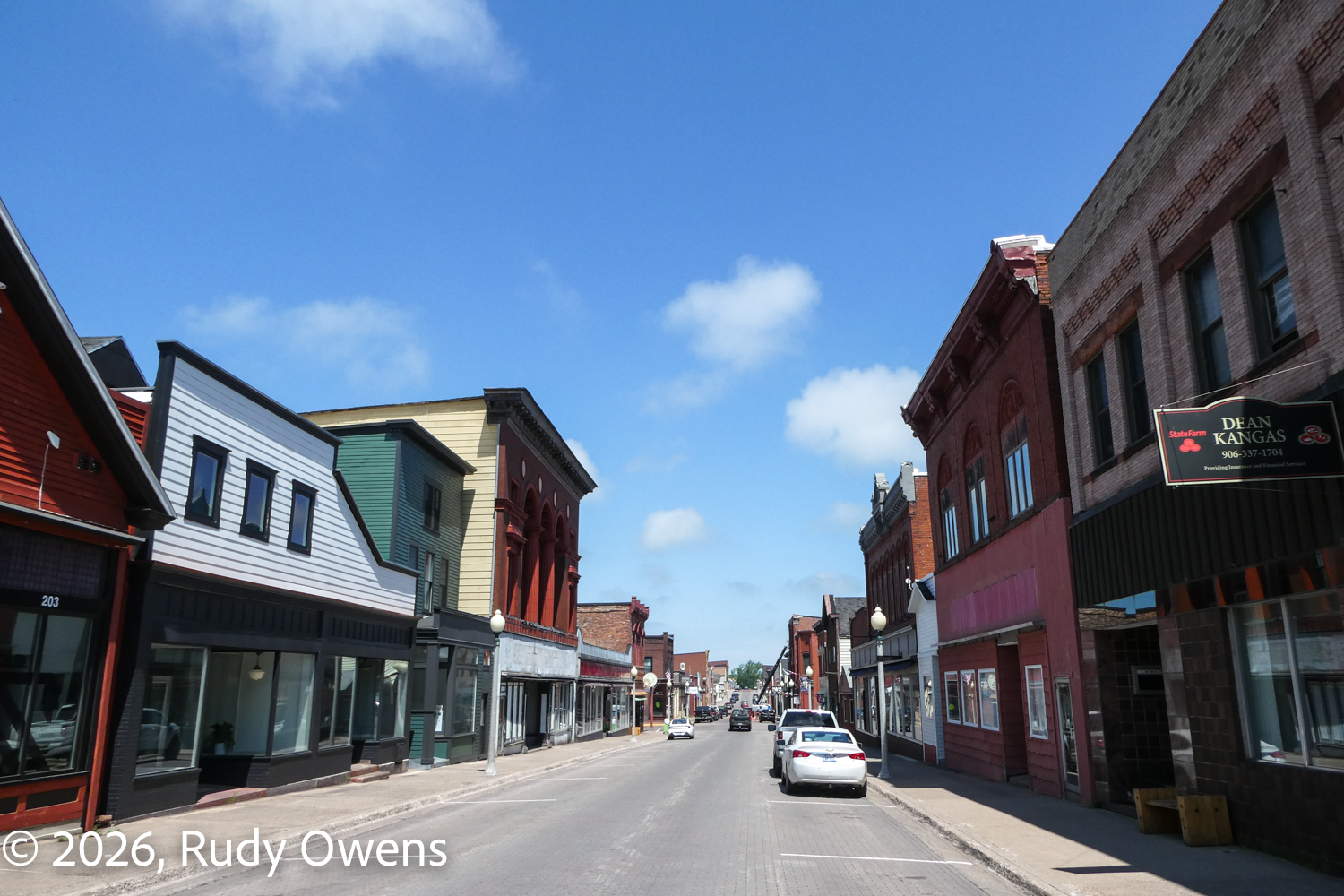
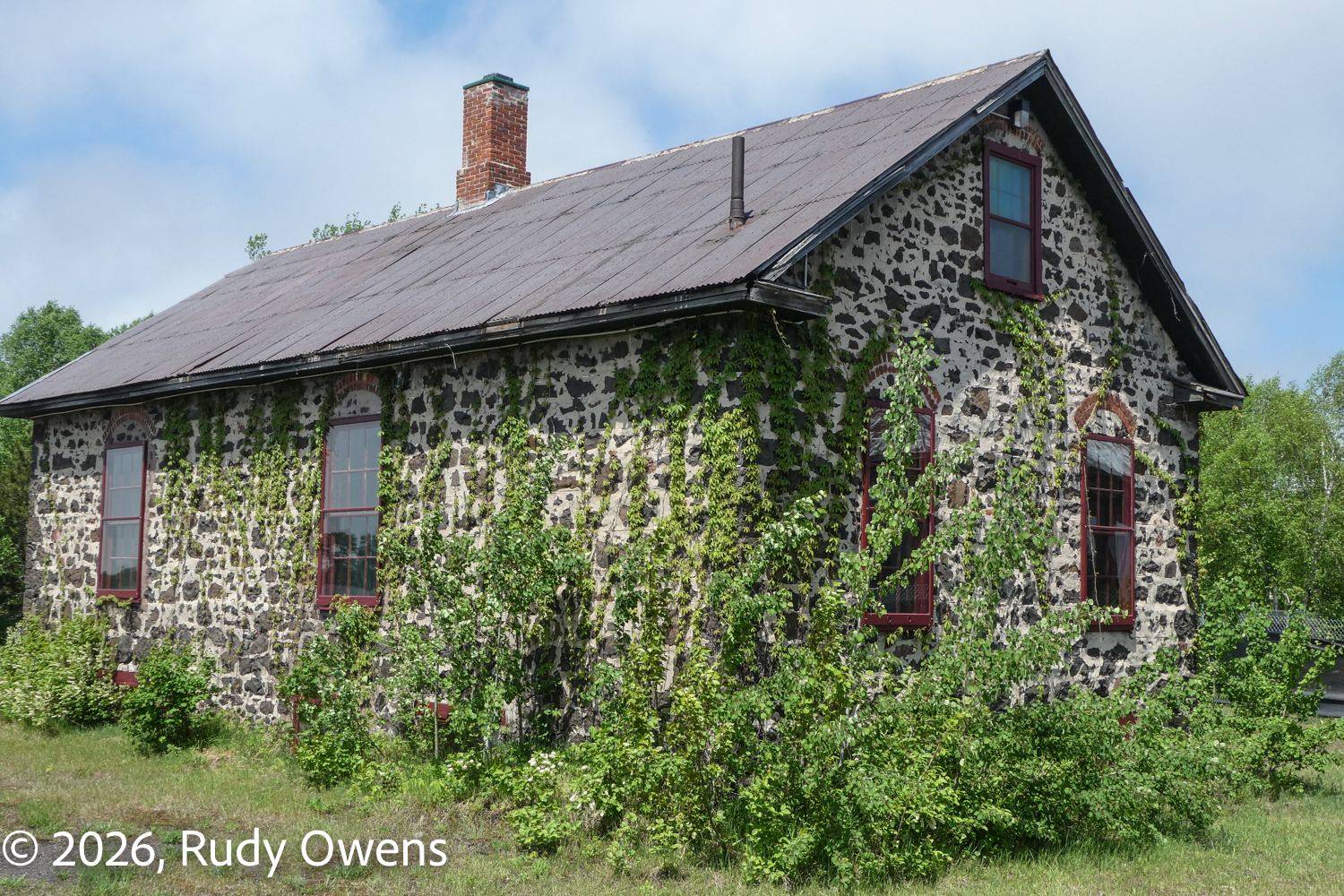
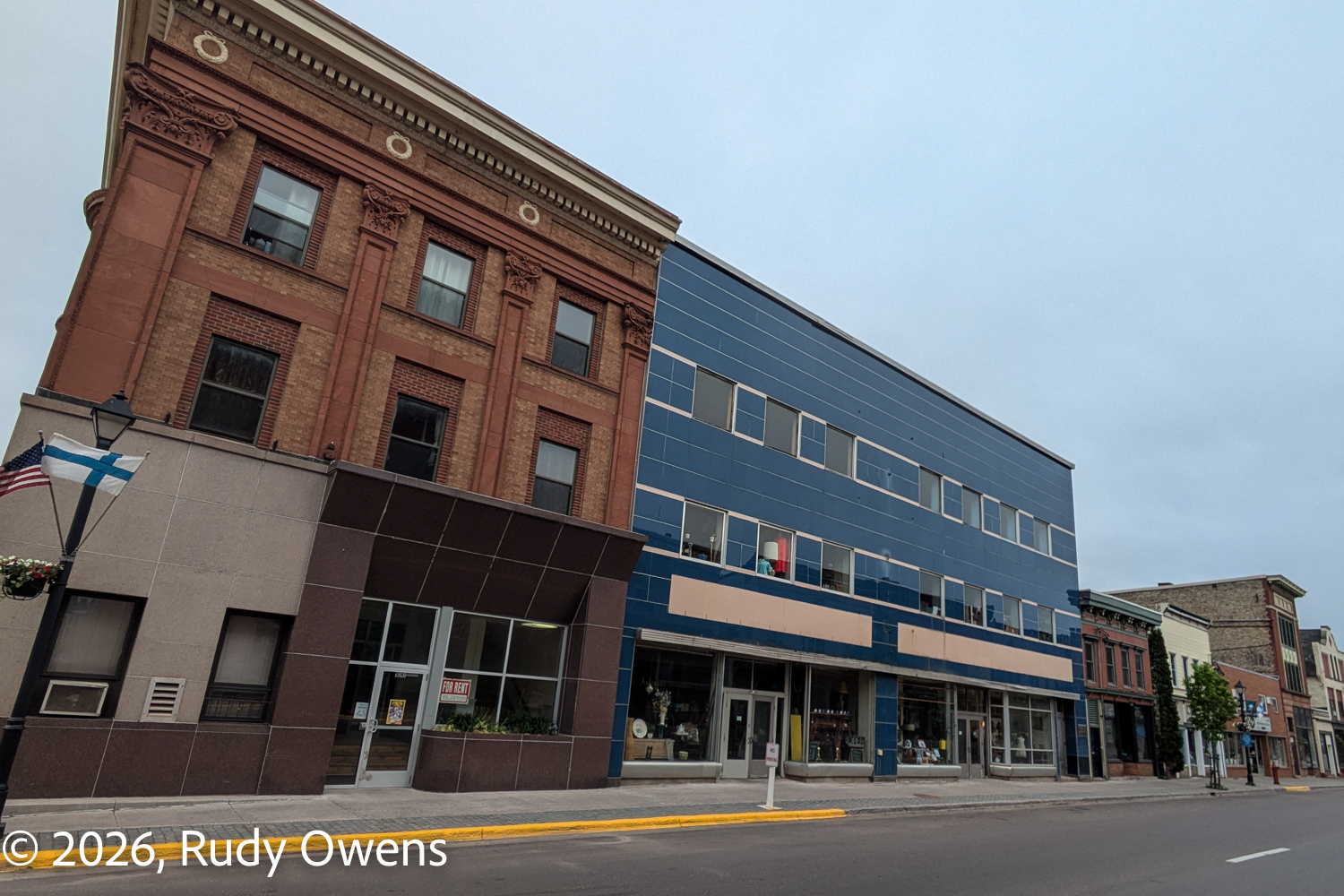
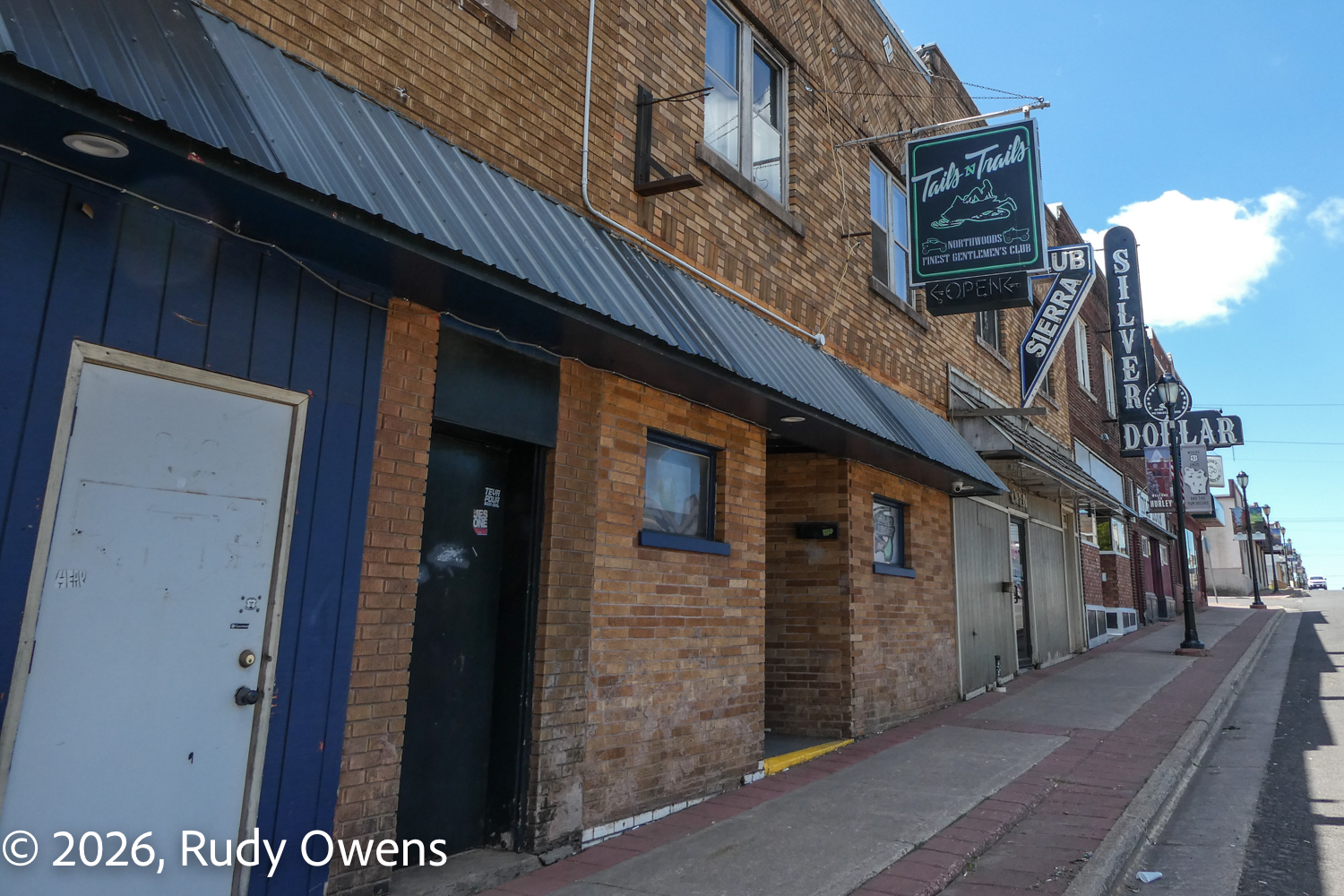
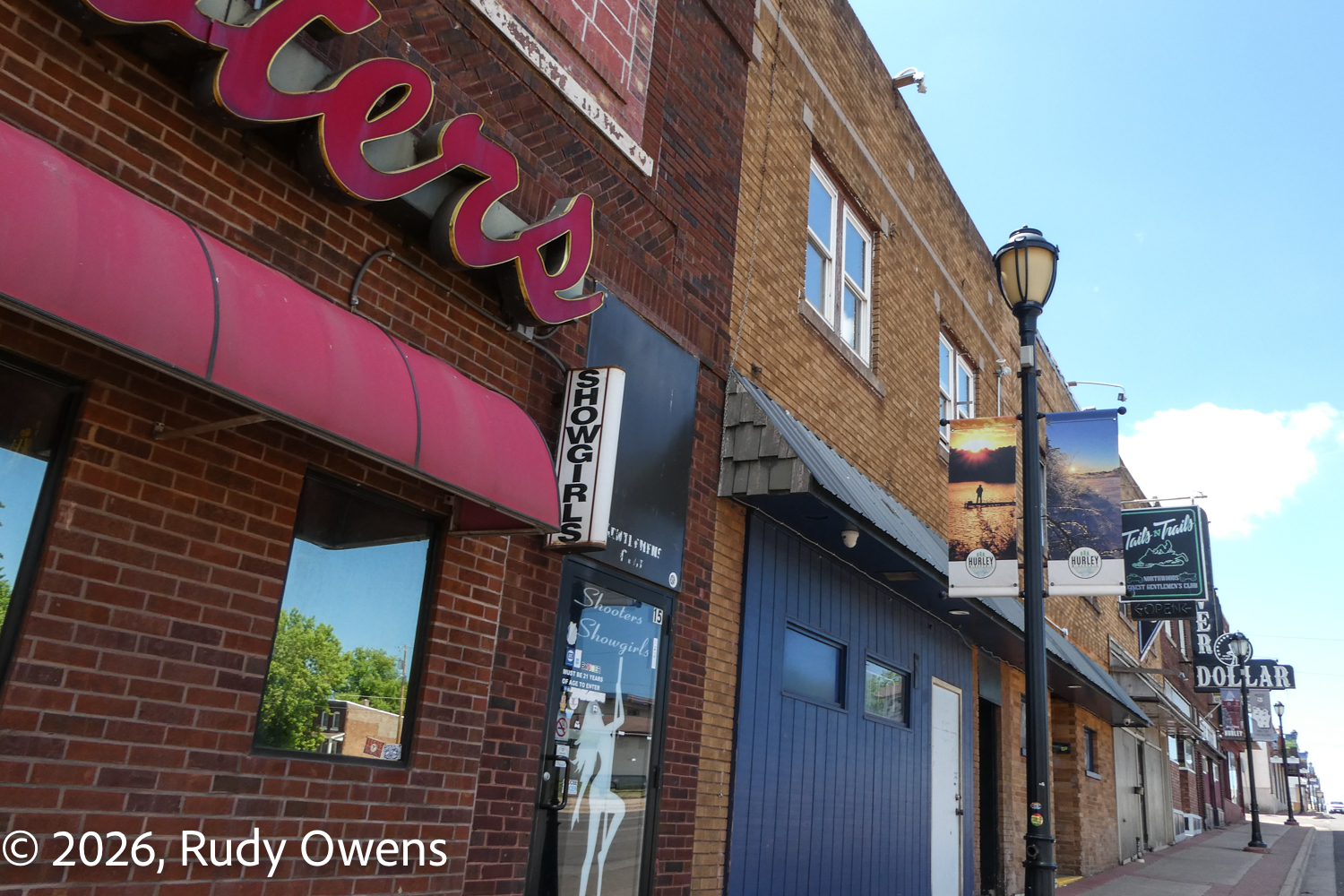
The author, Rudy Owens, explores downtown Houghton during his short visit to the communities where his Finnish relatives lived for decades.

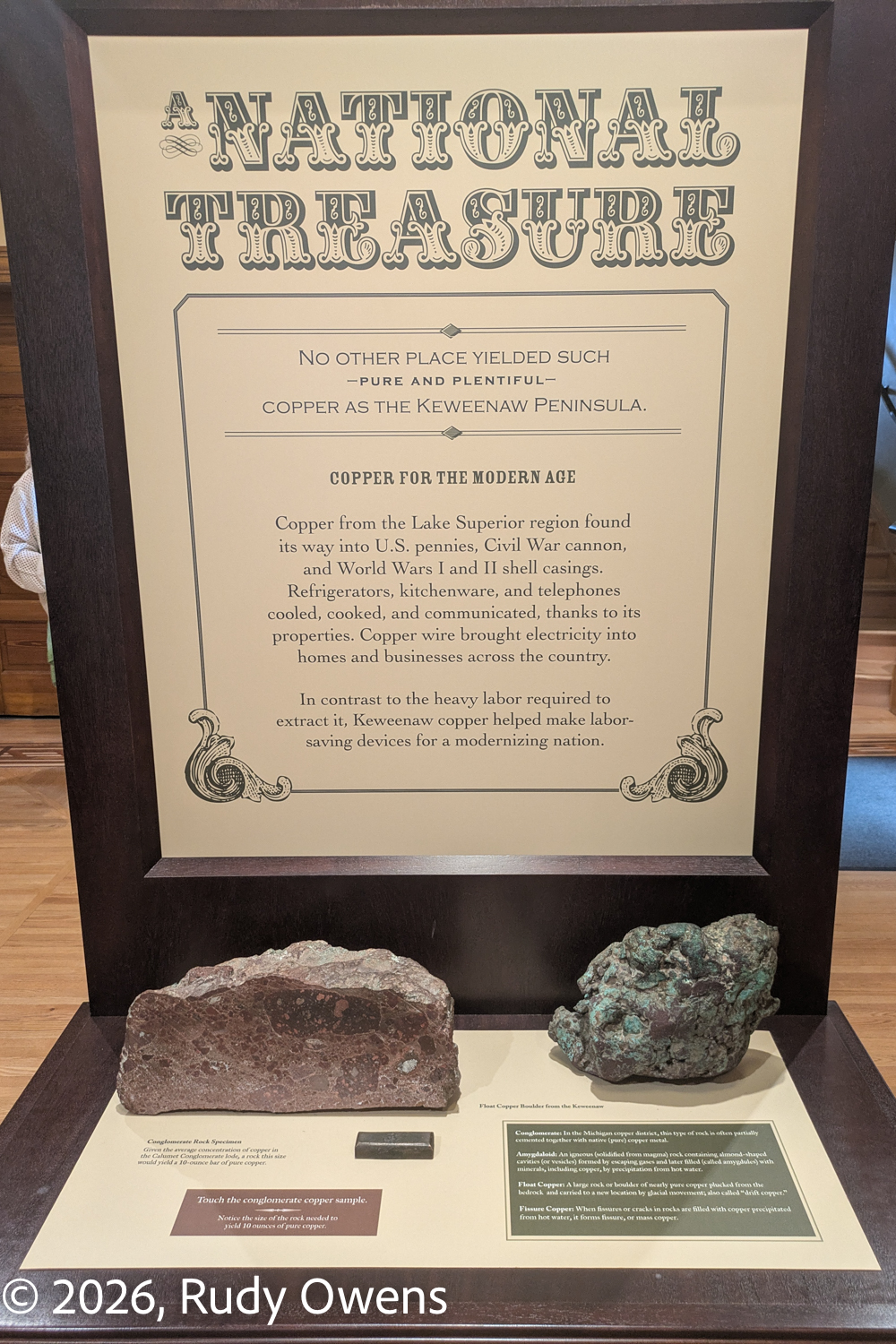
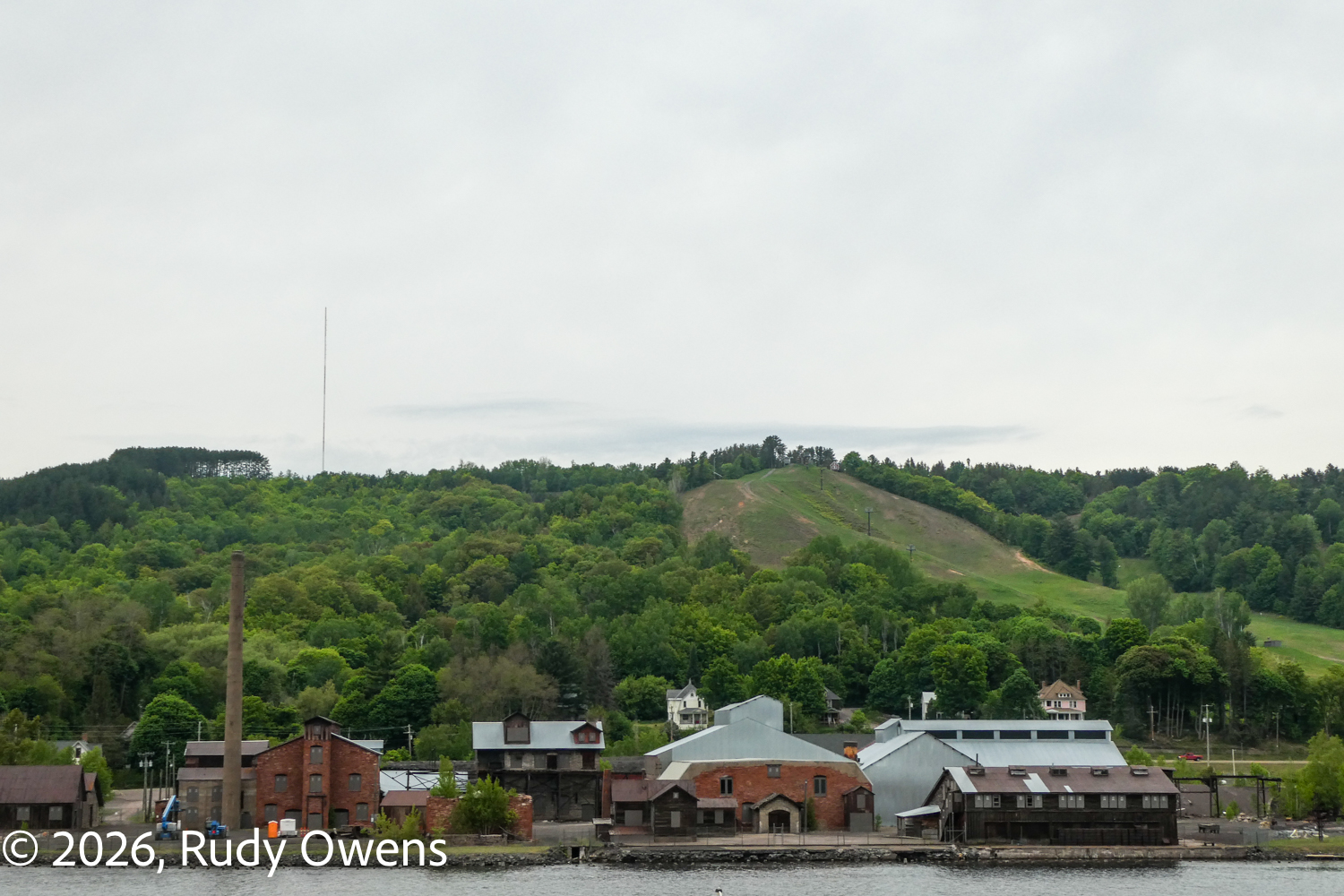
The Keweenaw Peninsula is considered to have one of the richest copper reserves ever dug from North America, and those reserves and the decades of mining in the 19th and 20th centuries are what pulled in immigrants from all over Europe, including from then-Russian controlled Finland. My kin from Finland were among thousands who made that journey to start a hard, new life. Dozens of copper mines thrived, and then once the reserves were extracted, began to shut down by the start of World War II, including the historic Quincy Mine, that stands like a dark tower of Mordor above the struggling city of Hancock, in the valley below the hills.

The Upper Peninsula is completely off any travel path. It remains remote today. The remoteness of the area, and its distance the Pacific Northwest, where I have lived most of my adult life, meant I kept putting off a trip for decades. But, having connected with my Finnish kin in Finland in 2023, it felt like the right time to see the land the Finnish immigrants including my own family settled in the United States.

Finally I found a nice window and booked a four-day, three-night trip in early June 2026.

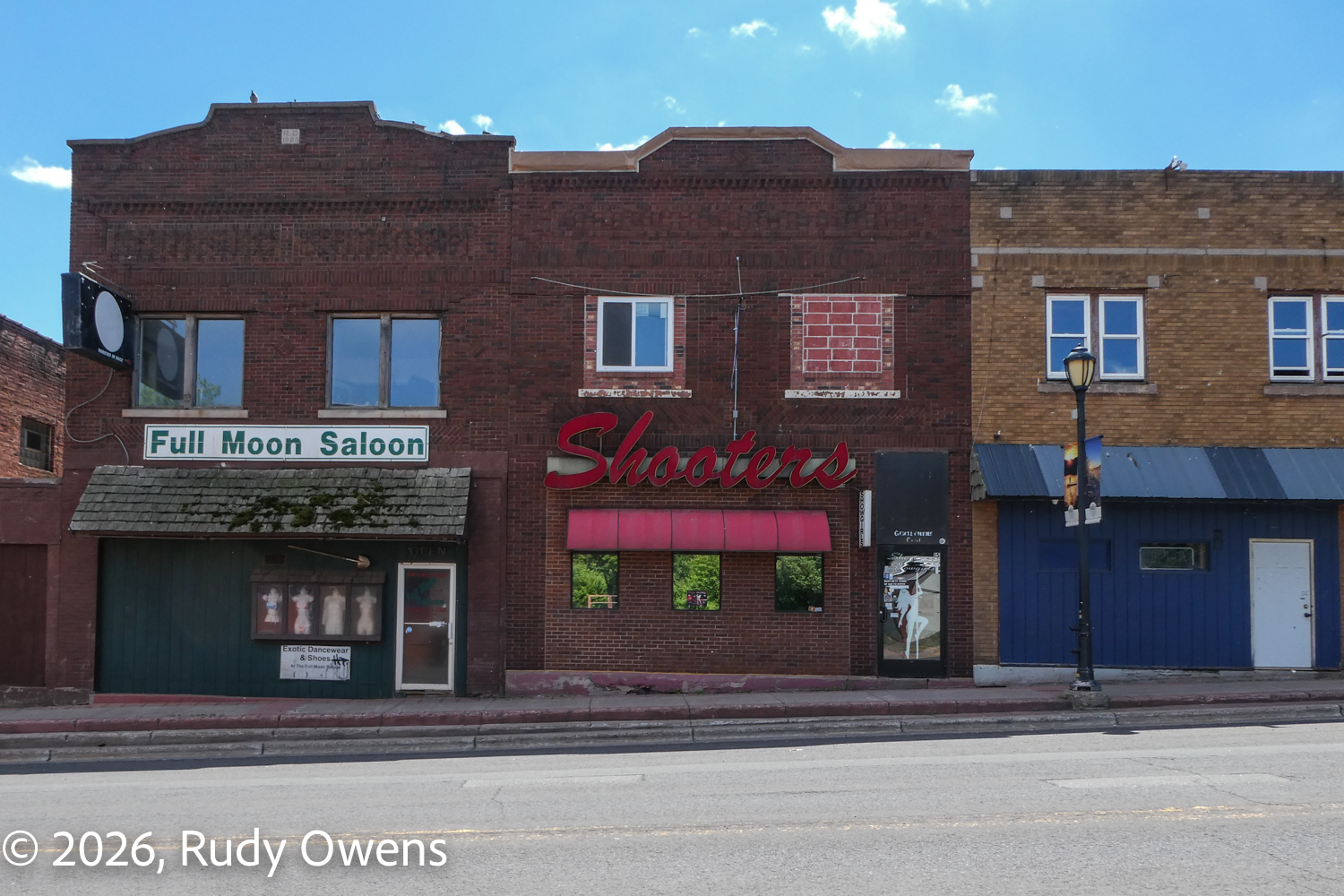
My journey began with a flight from Portland to Minneapolis. From there, I drove mostly state highways in Minnesota, Wisconsin. The trip took me through the northern small cities and communities of northern Wisconsin and the now visibly right-leaning communities one passes along the way in Wisconsin and Michigan: Mellen, Montreal, Hurley, Ironwood, Wakefield, Bergland, Mass City—before you arrive in Houghton and Hancock. I did as much as I could into a day and a half in the cities of my distant relatives in Michigan.

I felt very comfortable and connected here as a native Michigander, who was born of a half-Finnish-American mother who, with her parents, spent a lot of her life in Detroit. I have always considered myself both a native of Michigan and Detroit—in my DNA. I am a native son.

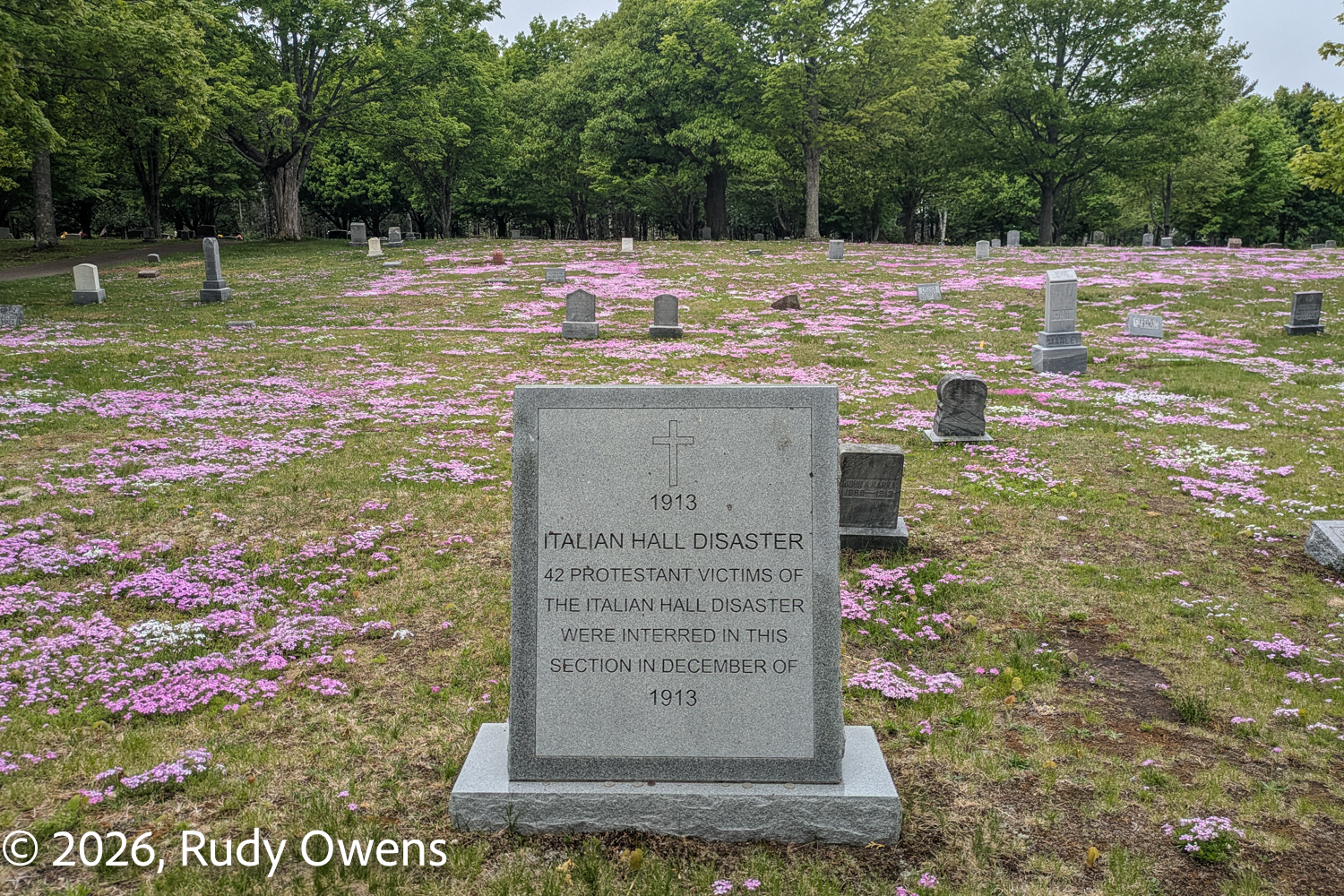
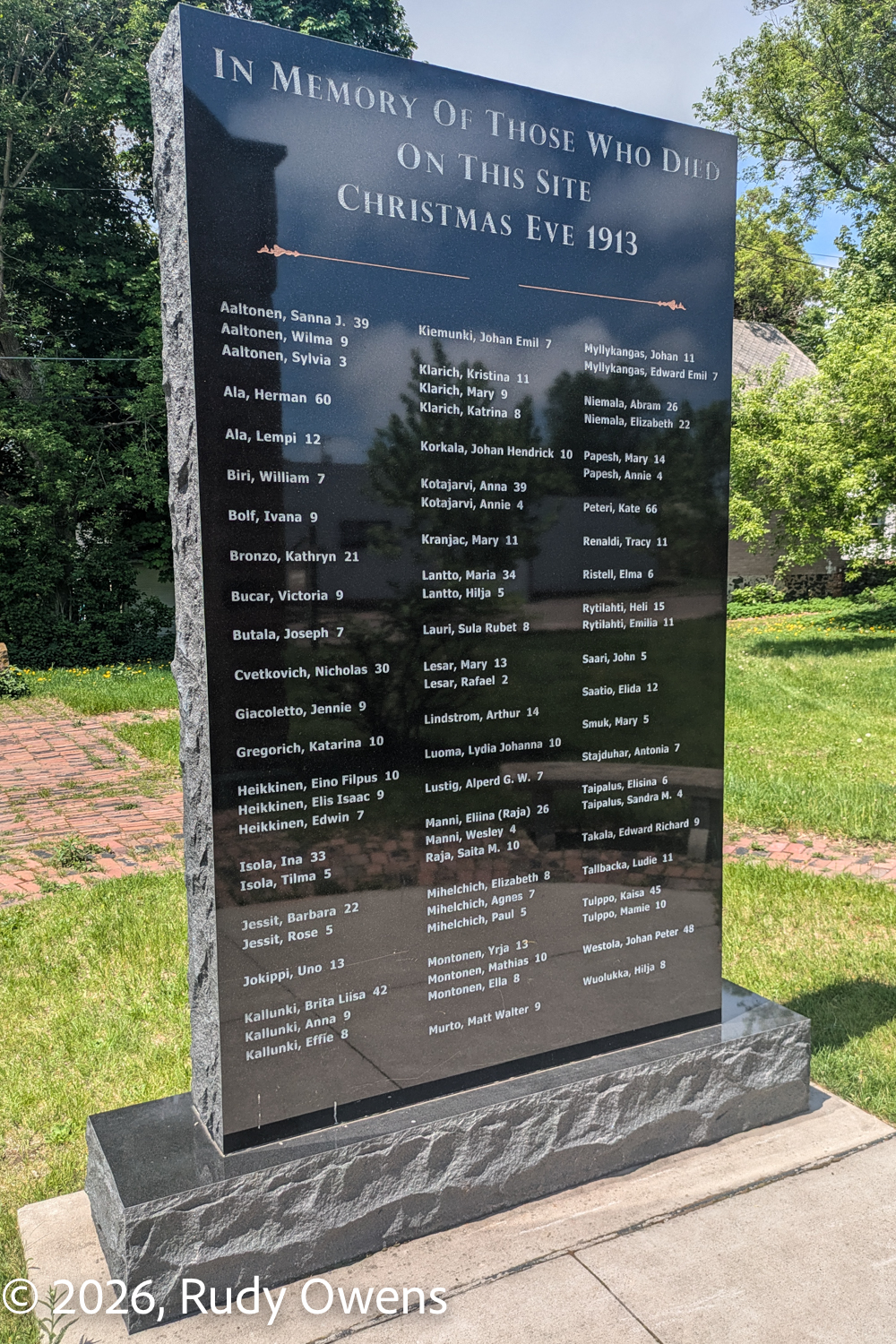
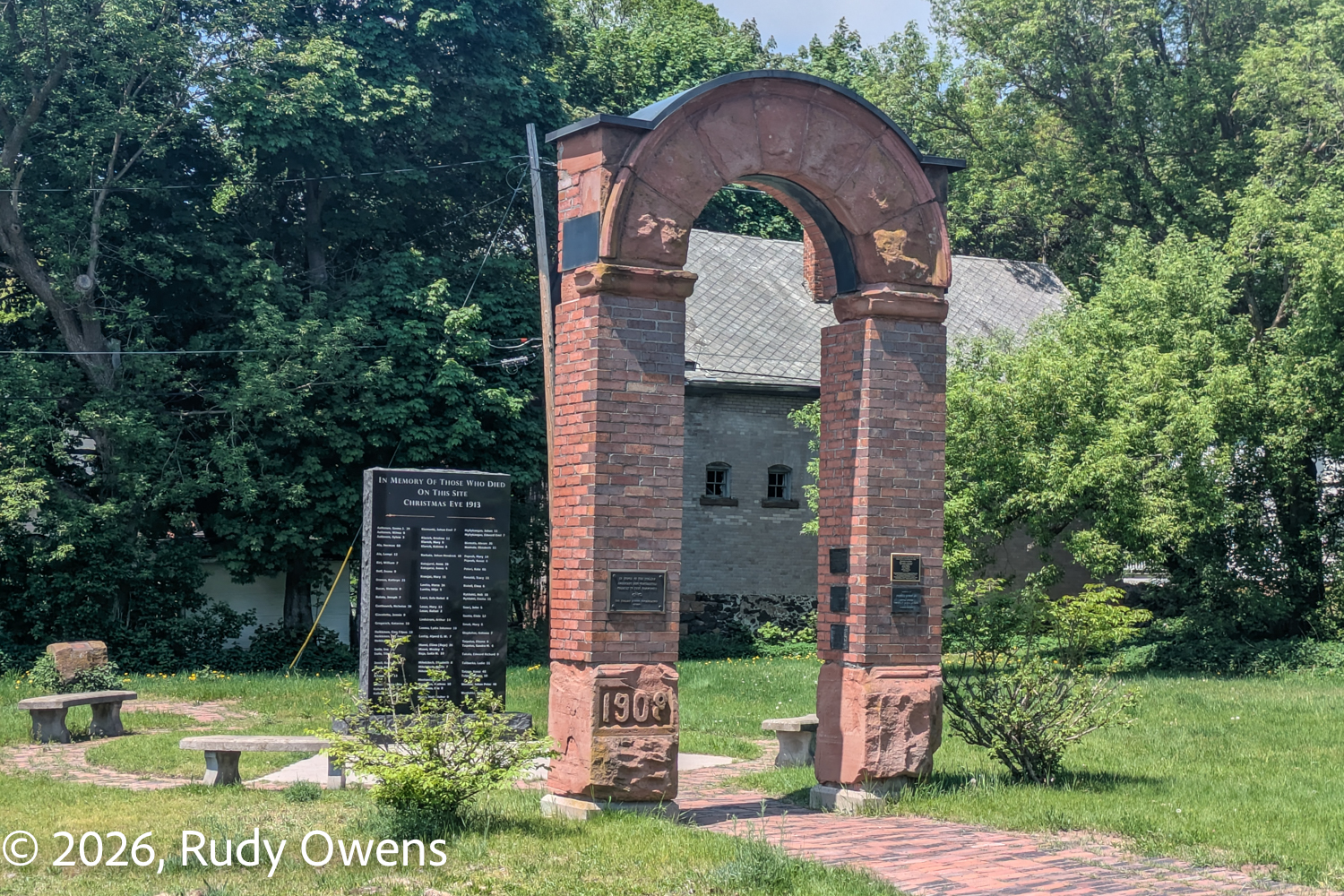
Once I arrived in my destination, in Hancock, I visited the once bustling mining city of Calumet, located about 10 minutes north of Hancock. It once had nearly 30,000 people and immigrants from all over Europe working in the copper mines at the turn of the 1900s, including at the large Calumet & Hecla Mine. I visited the famous memorial to the 74 victims of the terrible tragedy on Christmas Eve 1913 at Calumet’s Italian Hall, amid a violent and long copper miners strike that rocked the region and captivated the nation. I visited a family sauna on a family farm owned by a relative I met for the first time outside of Houghton. I visited the house where my great grandparents lived for decades, and was invited in by the owner. And I visited the graves of my great grandparents. I also walked the two cities and in nearby nature trails, soaking up the beauty and history.

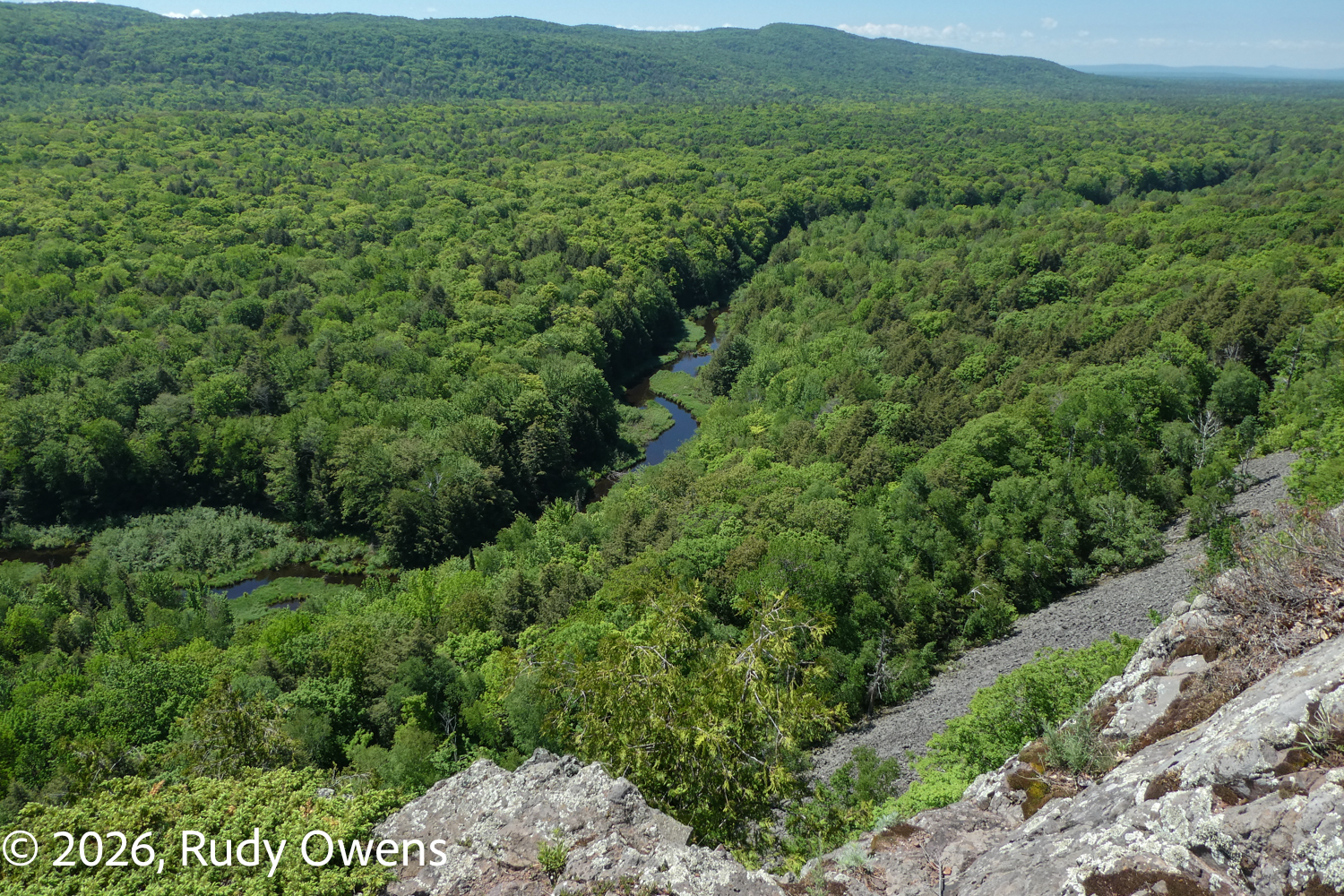
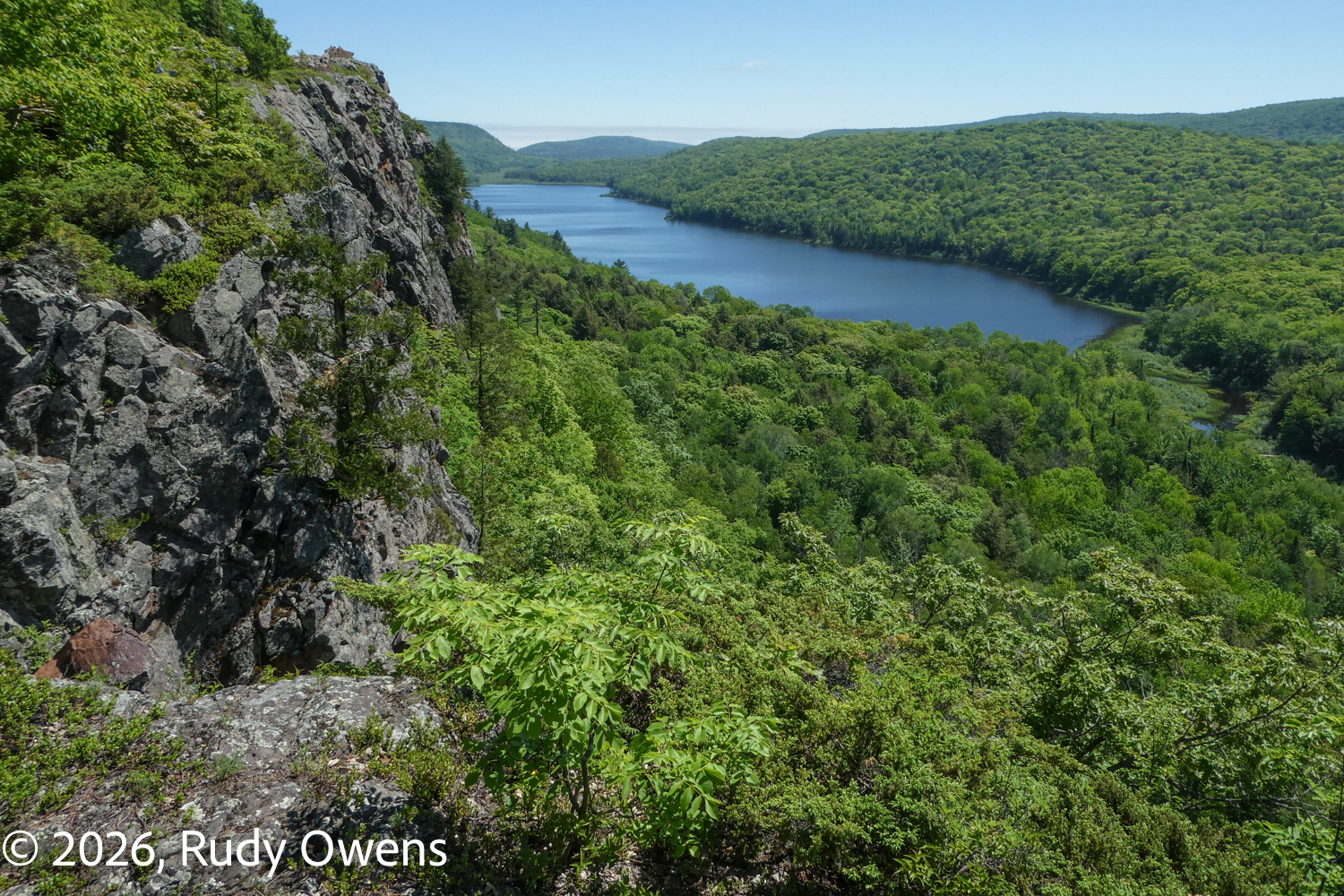
On my drive back to the Twin Cities, I took a spectacular detour to the shores of Lake Superior. The water was clear and surprising warm. The temperature was in the mid-60s F. I was at peace. I drive up to the popular Lake of the Clouds Overlook in the lush, Scenic Porcupine Wilderness Mountains State Park and allowed the amazing landscape to cast its spell. By 6 p.m. on my last day, I was back in Minneapolis feeling alive and renewed. What  a trip indeed!

Back to where it all began, in Detroit

(Click on each photo to see a larger picture on a separate picture page.)

Last month, I visited my birth city, Detroit. I was born here and lived in the city less than a year. My family moved to Boston and later to St. Louis. Despite that short period of time, I am forever connected to the Motor City. I was, quite literally, made in Detroit.

I also was relinquished for adoption in Detroit, a topic that I explore in my new memoir on the American adoption experience. More specifically, I was born in Crittenton General Hospital, a facility that was created to serve single mothers in 1929. By the 1940s it had transformed into a maternity hospital that promoted adoption as the most suitable plan for single mothers. Like thousands of other babies born at the hospital, I was surrendered to an adoption agency, placed in foster care, and eventually adopted by my family.

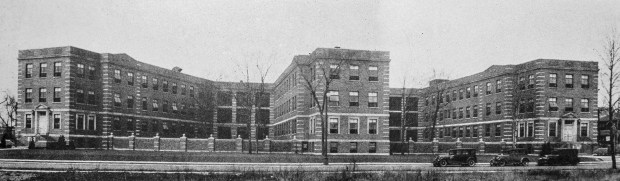
Crittenton General Hospital opened in 1929 to serve the maternal health needs of mostly single women.

My birthplace was torn down in 1975. I examine the legacy of my birth place on the website for my book. The hospital location in central Detroit, a few blocks off of the John Lodge Freeway in central Detroit, is now the location of the Detroit Jobs Center and a nursing home. There is no memorial or marking indicating the building that stood on the property for decades earlier, serving literally thousands of patients, mostly mothers and infants. If a person did not know the story of the hospital and its role in promoting adoption, they would never know the history of this place.

The surrounding area today shows the economic distress that still is prevalent throughout greater Detroit. Some homes are kept tidy, while many others, as well as apartments, are showing decay.

I wrote about my feelings returning to the place where I came into this world more than five decades ago. I felt a mixture of exuberance and also sadness seeing the place on earth when I came into being.

One cannot undo one’s past. It is the foundation upon which one build’s an identity and place in the world. I am glad I have reconnected with my roots after all of these years.


So why visit Lansing?


(Click on each photo to see a larger picture on a separate picture page.)

This week I visited Lansing for the first time. Let’s be clear. The capital city of Michigan is not on most travellers’ A-list for tourism. Lansing is where you go if you are interested in deal-making and crafting legislation in Michigan.

I came for one reason only: to speak to state lawmakers and their staff, in order to promote legislative change to reform Michigan’s adoption laws that deny all Michigan-born adoptees equal rights by law. (See my website for my book, You Don’t Know How Lucky You Are, focusing on adoptee rights issues for more information.) I also brought my sturdy Panasonic-Lumix DC-ZS70 camera, hoping to take a few pictures of a new place.

With just 116,000 people, Lansing is not a large city. It caters, like much of Michigan, to the internal combustion engine in design and layout, except downtown. There, everything revolves around the state Capitol Complex, which houses Michigan’s state government services. The epicenter of that is the Michigan State Capitol, which opened in 1879.

All told I spent two days in the city. I commuted to the capital from a run-down hotel in neighboring East Lansing, home of Michigan State University. The MSU campus surprised me with its stately academic buildings and serious efforts to encourage transportation to the campus by bike and bus.

Lansing is an older Midwest city attempting to revitalize its urban core along the Grand River. Upscale loft style condos have been built near the river in downtown and next to the Cooley Law School Stadium. The ballpark is home to the city’s minor league club called the Lugnuts—and what a great name. They were away when I was in town.

Not far from these gentrifying spots are social service centers on Michigan Avenue helping the area’s homeless. Signs in neighborhoods make clear residents are united in fighting crime and that the city is struggling, with 17 percent of its residents living in poverty. One report from four years ago claimed Lansing was among the county’s poorest capital regions.

I greatly enjoyed my walk along the Lansing River Trail. The trail is actually a 20-mile network of converted railroad lines that link Lansing with the MSU campus and the greenways south of downtown. I loved it.

I also enjoyed the Lansing Brewing Company, next to the Cooley Law School Stadium. I tried one of the local stouts and was surprised by its freshness. It was a beautiful late spring night when I came, and everyone was enjoying the nice weather, bluebird skies, and camaraderie that one finds in brewpubs nationwide.

Travels through Trump country in 2015

Click on each photo to see a larger picture on a separate picture page.

In September 2015, I travelled through the heart of the country that swung the Electoral College vote to Republican Donald Trump, giving him the presidency without a 50 percent majority and even behind Democrat Hillary Clinton. My trip had nothing to do with politics. It was about my past and my history, not the future of the country. But the trip was illuminating. I drove through some cities that once formed the bedrock of our industrial economy: Detroit, Toledo, the Ohio River petrochemical corridor, Canton, Akron, Cleveland, and Sandusky.

Even though I didn’t spend time to explore all of those communities, it was easy to spot the remnants of the industrial past that has dramatically downsized in the last 30 years from globalization, mechanization, and trade policies. These have lead 4.5 million manufacturing jobs to leave the United States since the implementation of NAFTA in 1994. Detroit, of course, stood out, as the nation’s great symbol of industrial dislocation, which began long before NAFTA was signed by the United States, Canada, and Mexico. I could not believe how far this area had fallen, and all without any meaningful attention from our two major parties and the nation. The new economy means these were the losers, and nobody in power likes losers.

So when the Trump tornado rolled onto the national stage in 2015, and promised to make them winners, I knew that he would find fertile ground in Ohio and Michigan. I knew that instinctively, simply because I had done a drive by. Why was I, as an outsider, able to see this and those in power and leading a national campaign not aware of what would happen on election day. (See my essay on that topic.)

Where I live in Portland, the Multnomah County Library twice rejected my proposal to host a presentation I offered on these issues through the prism of Detroit. I think the Library failed to do its job as the place for civic discourse because my show would make Detroit look bad (news flash, it is in crisis and has been for decades) and because economic dislocation in the Midwest means little to the nation and especially to those on the West Coast. There is a progressive bubble out on the West Coast that is completely disconnected from the gritty, nasty world that exists in the rest of the country, and even in rural counties in the Northwest.

One of the most chilling takeaways from me was the poverty I saw everywhere in Appalachia in southern Ohio, from Chilicothe, to Waverly, to New Boston –areas that are both economically distressed and hard hit by opioid addiction.  On the Ohio side of the river, I saw more than a handful of Confederate flags hanging in windows of homes and on the back of vehicles. This was an area ready and ripe for a messenger, who claimed he would make America great again and bring back jobs. On election day, when I saw the results come in, I already knew how Ohio and Michigan would fall in the Trump column for electoral votes. I had seen the vote outcome with my own eyes a year earlier.